Currently, social media marketing is vital for the growth of almost all businesses. How do you tell if your marketing through social media is bearing fruit?
For example, are your patrons participating, pointing to your content, or commenting in ways demonstrating a tangible ROI?
Facebook content boosts may increase engagement, and Snapchat or TikTok video ads may draw attention, but do you see improved social interactions and ROI?
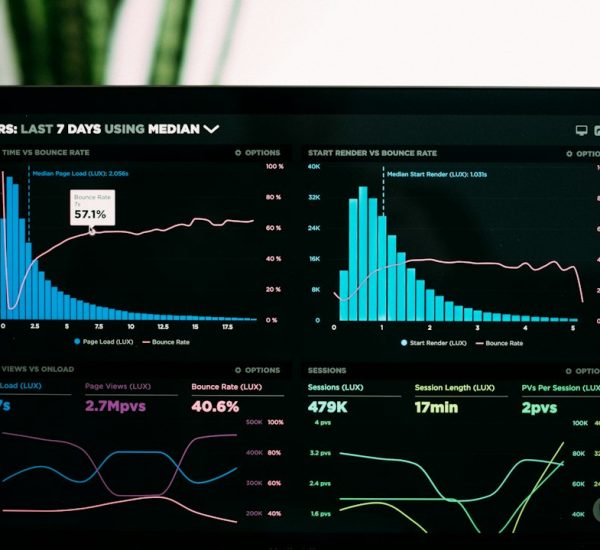
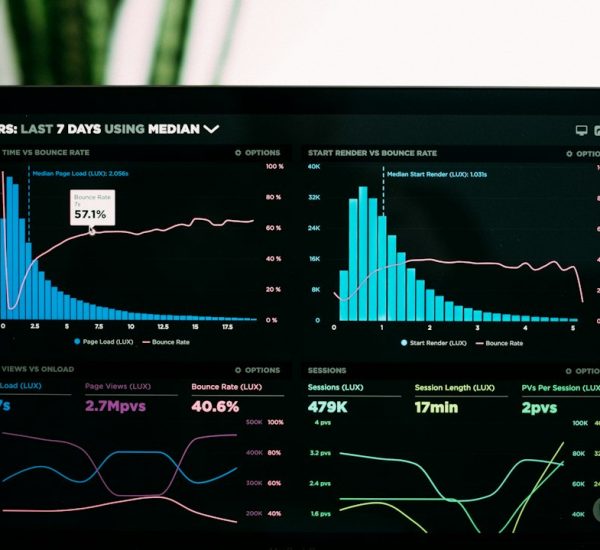
Social media marketing analytics is designed to address these issues. It gives marketers and business owners vital insights into what works and what does not.
With A/B testing, for example, businesses can analyze impressions and clicks, discover pain points, and compensate with sophisticated big-data solutions.
Algorithms and programs automatically guide e-commerce sites to determine which strategies yield results.
For small businesses and mighty e-commerce stores, analytics turns random business posts into intelligent, metric-capturing campaigns.
Social Media Marketing Analytics: Measuring Success and Enhancing Performance
Understanding Social Media Marketing Analytics

Social media analytics means that figures or data are associated with the content. It indicates how people are engaging with the posts.
Are people liking, commenting, sharing, clicking, or reaching out and converting to customers? It provides a clear picture of the audience.
Every social media site has its tools. Facebook provides Insights, Instagram has its Professional Dashboard, and Twitter has Analytics.
Marketers use Google Analytics, Hootsuite, and Sprout Social for more detailed tracking. These tools can provide detailed reports and help manage forms from one place.
With such tools, one does not have to guess or assume but makes data-based decisions.
Why Tracking Analytics Matters
Analytics and performance measurements provide a business with critical time and financial resource expenditure data.
Understanding what posts yield optimal engagement, the times of day that yield optimal engagement, and the kind of content best accepted by the audience are all essential factors that can be derived through performance analytics.
Using video content instead of photo content? This is what the numbers suggest, and analytics assists in determining potential business focus areas.
Analytics verify how many people click links posted or purchase items after marketing exposure.
These figures highlight the potential profit consideration in marketing investment return (ROI) and further assist in validating work value.
Analytics pave the way toward structured, result-oriented decision-making rather than guesswork.
Key Metrics to Monitor
In this digital world where everything is automated, a person needs to monitor certain aspects of social media to get a clear view of its performance.
One is the engagement rate, which gives an overview of how keen people are to like, vote, and share the provided content online.
Social media tracks reach, which indicates the number of unique users who interacted with the post, and Impressions, which count the number of times the post is shown on their feeds, regardless of whether they’ve seen it before or not.
Both engagement and click-through rates are monitored to collect data about the followers of the social media profile.
Growth in followers helps identify the rate at which the audience is growing and the conversion rate for the number of users who signed up for a specific action, such as purchasing a product or registering.
All these metrics help provide a clear overview of a person’s performance on social media.
Tools to Track Performance

Tracking social media analytics can be done using several other tools.
For example, Google Analytics enables you to monitor the behavior of social media users who visit your website. It helps you track the duration of their stay, the pages they visit, and their purchase decisions.
Meta Business Suite is practical for Facebook and Instagram as well. It provides insights into ad and audience data and post-engagement metrics.
Hootsuite is a one-stop shop that allows tracking of various accounts, scheduling of posts, and access to analytics, all from a single dashboard.
Buffer is another intuitive content management and results analyzer. Advanced reports and social listening tools come with Sprout Social.
These tools are time-saving and help paint a detailed picture of various platform activities.
Setting Goals for Social Media Campaigns
Social media strategies let you track various activities like clicks, views, or likes. However, your initial step should start with establishing a goal. It helps you plan your journey towards achieving the desired results.
Set goals using the SMART approach, which stands for Specific, Measurable, Achievable, Relevant, and Timebound.
An example of a SMART goal is “Increase Instagram engagement by 15% over the next two months.”
Goals help determine what strategies to employ, whether it is improving brand visibility, website traffic, or sales, and each will require tracking different metrics.
Analyzing Audience Behavior
After gathering all the required analytics, a significant goal will be achieved: getting to know the audience each business sets.
With the help of this information, the company can learn the age, gender, and location of all followers.
More specific details, such as the time they are most active and the content they interact with, are also available, which can lead to more tailored content planning.
If a business learns its audience is mostly online in the evening, the best time to post is in the early evening.
Content in images may not engage as much as videos; thus, knowing the most talked-about content is necessary.
Ultimately, those businesses with better audience knowledge tend to attract more customers.
Improving Content Strategy with Analytics

Through analytics, you can understand your audience and what kind of content they engage with. Your audience might prefer how-to posts, behind-the-scenes glimpses, or fun reels.
You can measure results across photos, videos, carousels, lives, and other content types and refine your strategy accordingly.
You will also learn what interaction levels sure captions receive, which hashtags provide appropriate reach, and which emojis appeal to your audience.
If specific formats or themes do well, you can use more of them. In the same manner, you can also adjust the content that underperforms.
Boosting ROI with Ad Analytics
When it comes to paid ads, tracking is vital to get high-value returns. Many platforms provide data based on key performance indicators (KPIs) such as CPC, conversions, and impressions.
You can continually improve the performance of your advertisements using A/B testing, whereby several ad versions are put through different testing metrics to determine the best version.
The one with the highest clicks divided by cost is the preferred alternative.
You can also track ad performance by determining how many people purchase a product or register after viewing the ad. Over time, these observations will enable you to optimize your ad and maximize ROI.
Tracking Hashtag Performance
Hashtags are one of the leading tools that make it easy for clients to locate your content. However, not all of them give favorable results. Some hashtags might be performing well, while others are unproductive.
Evaluating the value of hashtags in your industry is ideal for determining how well they perform they perform. Tools such as Hashtify or RiteTag enable you to look for trending or high-performing hashtags pertinent to your industry.
Regular monitoring allows you to formulate a more effective hashtag strategy to improve visibility and reach.
Aligning Social Media with Sales and Products

If you manage an online shop, your social media accounts should align with your sales objectives.
This can be accomplished by linking social posts to product pages and monitoring user interactions and sales metrics. UTM parameters can pinpoint exactly which post interested someone.
While using WooCommerce, plugins like WooCommerce stock manager will ensure you do not run out of stock for items you advertise, lest you frustrate customers.
For stores with many product options, WooCommerce variable pricing accepts different pricing options that you can advertise on social media.
Analyzing sales data for specific products and advertisement variations enables better content and promotion planning.
Using Insights to Improve Strategy
You currently obtain the numbers, but they cannot offer useful information without further transforming them into actionable steps.
Focus first on analyzing which posts receive the highest levels of engagement.
You can repackage content that is performing well into stories or reels. Stop creating content that is never appreciated by the audience. Also, consider when you post; analytics usually provide data about the best days and hours to post.
Implement changes based on insights, but make sure to monitor the progress. Over time, this habit of continuous evaluation will enhance the efficiency of your strategies.
Staying Ahead with Competitor Analysis

Competitor analysis can prove fruitful when analyzing their social media. You gain access to their content, their audience’s reactions towards it, and their posting frequencies.
Tools such as Social Blade enable you to track competitor performance.
If a peer’s behind-the-scenes video becomes viral, you can also try out the format for your brand. It helps you identify new opportunities.
You can gain more attention by bringing new ideas and fresh perspectives.
Social Listening for Better Insights
Considering listening as something that refers to follow-up/check-up on what people say about someone is quite outdated. This capture or observation of a specific domain is also done in the case of social listening.
The concept can be defined as listening to talks on social media, whatever pertains to your name, including that of many people in your surroundings.
Some tools help facilitate this operation. For instance, tools such as Mention are used to observe if consumers are using the tools, too.
This type of listening goes hand in hand with equity listening, allowing consumers to explain freely without fear of constraints and/or boundaries. These systems allow for great liberty.
Tips to Improve Your Analytics Strategy
You do not need to spend much effort boosting your analytics plan.
For example, a monthly schedule to review one’s data is set, and a few core metrics like engagement rate, reach, and conversions need to be tracked.
In addition, the data has to be displayed in a way that is easier to understand through graphs and dashboards.
Working towards the same goals requires the entire team’s involvement, so share results with your team and include their feedback. Do not hesitate to experiment with the posting time and content formats.
Such trial-and-error practices also need to be tracked and, along with real followers’ opinions, allow your public to guide the content more directly.
Focusing on improvements, one can see that even minor changes can result in more significant outcomes.
Conclusion
It is simply insufficient to publish content. You need to know how to analyze its effectiveness. Tracking social media campaign results allows you to evaluate, listen to the audience, and make well-educated decisions.
Social media tools such as Google Analytics and Meta Business Suite allow a deeper analysis beyond likes to insights that sell, generate revenue, and bring forth opportunities.
For e-commerce stores, using tools or offering flexible prices through tracking performance helps align your marketing with your store goals.
So, is your social media strategy data-driven? If not, now is the time to make it smarter.