Revenue growth rarely comes from a single breakthrough. More often, it comes from combining several smart, practical sales strategies that improve how you attract prospects, communicate value, close deals, and encourage repeat purchases. Whether you run a small business, manage a sales team, or lead growth for an established company, the right mix of tactics can turn missed opportunities into measurable revenue gains.
TLDR: To increase revenue, businesses should look beyond basic selling and focus on improving customer value, timing, personalization, and retention. Effective strategies include upselling, cross-selling, referral programs, sales automation, better follow-up systems, and smarter customer segmentation. The strongest results come from combining these methods with clear messaging, consistent tracking, and a customer-first mindset.
1. Focus on Selling More Value, Not Just More Products
One of the most powerful ways to grow revenue is to shift the sales conversation from price to value. Customers are more likely to buy when they clearly understand how your product or service solves a problem, saves time, reduces risk, or helps them achieve a goal.
Instead of listing features, train your sales team to connect each feature to a meaningful benefit. For example, a software company should not simply say, “Our platform has automated reporting.” A stronger value-based message would be, “Our automated reporting saves your team five hours a week and gives managers faster insight into performance.”
Value-based selling helps justify higher prices, improves close rates, and creates more confident buyers. It also reduces discounting because customers are less focused on cost when they understand the return they can expect.

2. Use Upselling and Cross-Selling Strategically
Upselling encourages customers to choose a higher-value version of what they already want. Cross-selling recommends complementary products or services that enhance the original purchase. Both strategies can increase average order value without requiring you to find entirely new customers.
The key is relevance. Customers should feel that the suggestion is helpful, not pushy. A retailer might recommend a premium version of a product with better durability. A service provider might offer an upgraded plan that includes priority support. A consultant might suggest an additional audit after completing a strategy session.
To make upselling and cross-selling more effective, consider these approaches:
- Bundle related products to create a convenient package with a clear benefit.
- Offer tiered pricing so customers can easily compare basic, standard, and premium options.
- Use purchase history to recommend items or services based on real customer behavior.
- Train sales teams to ask discovery questions before suggesting upgrades.
When done well, these tactics feel like personalized service rather than aggressive selling.
3. Improve Follow-Up Timing and Consistency
Many sales are lost not because the prospect said no, but because the business stopped following up. Buyers are busy, distracted, and often need multiple touchpoints before making a decision. A consistent follow-up process keeps your offer visible and shows professionalism.
Create a follow-up schedule that includes email, phone calls, social messages, or personalized notes depending on your sales cycle. For example, after an initial consultation, you might follow up within 24 hours, again three days later, and once more the following week with a relevant resource or case study.
The goal is not to pressure the prospect. The goal is to remain useful. Share answers, insights, comparisons, or examples that help them move toward a decision. A thoughtful follow-up can often be the difference between a stalled lead and a closed sale.
4. Segment Customers for More Personalized Offers
Not every customer has the same needs, budget, buying timeline, or motivation. By segmenting your audience, you can create more relevant campaigns and sales conversations. Segmentation might be based on industry, company size, location, past purchases, engagement level, or customer lifetime value.
For example, new customers may need educational content and starter offers, while loyal customers may respond better to exclusive previews, loyalty rewards, or premium upgrades. High-value accounts may deserve personalized outreach from senior sales representatives, while smaller accounts may be nurtured through automated email sequences.
Personalized selling improves conversion because customers feel understood. It also helps your team spend more time on the opportunities most likely to generate revenue.

5. Build a Referral Engine
Referrals remain one of the most valuable sources of revenue because trust is already built into the introduction. A recommendation from a satisfied customer can shorten the sales cycle and increase the likelihood of closing.
However, many businesses make the mistake of waiting for referrals to happen naturally. A better approach is to create a simple referral program that encourages and rewards customers for spreading the word.
Your referral strategy might include:
- Discounts or credits for both the referrer and the new customer.
- Exclusive perks such as early access, bonus services, or priority support.
- Simple sharing tools like referral links, email templates, or social media prompts.
- Clear timing by asking for referrals after successful delivery or a positive review.
Make the process easy. If customers have to work too hard to refer someone, they probably will not do it.
6. Strengthen Sales and Marketing Alignment
Revenue increases when sales and marketing teams work together instead of operating separately. Marketing attracts and educates prospects, while sales converts them into customers. If the two teams are not aligned, leads may be poorly qualified, messaging may be inconsistent, and opportunities may be missed.
To improve alignment, both teams should agree on what defines a qualified lead, which messages are most effective, and what content supports each stage of the buying journey. Sales teams can share common objections they hear from prospects, while marketing can create materials that address those objections in advance.
Useful shared assets include:
- Case studies showing measurable customer results.
- Comparison guides that explain why your offer is different.
- FAQ pages that answer common buying concerns.
- Email templates for nurturing leads at different stages.
When marketing creates demand and sales uses that momentum effectively, revenue growth becomes much more predictable.
7. Use Automation Without Losing the Human Touch
Sales automation can save time, reduce errors, and help teams manage leads more efficiently. Automated reminders, email sequences, lead scoring, and CRM workflows ensure that fewer prospects fall through the cracks.
However, automation should support relationships, not replace them. A fully generic message can make a potential customer feel like one name in a database. The best approach is to automate repetitive tasks while personalizing important moments.
For example, you might automate an initial welcome email but personalize the follow-up based on the prospect’s industry or stated challenge. You might use automated lead scoring to identify interested prospects, then have a sales representative reach out with a tailored message.

8. Create Limited-Time Offers with Real Purpose
Urgency can increase sales when it is honest and relevant. Limited-time offers, seasonal promotions, bonus packages, and expiring discounts can encourage customers to act sooner rather than delay a decision.
The important word is honest. False urgency damages trust. If every offer is “ending soon,” customers quickly learn not to believe it. Instead, use urgency when there is a legitimate reason, such as limited inventory, a launch period, an event deadline, or a seasonal opportunity.
For best results, explain the value clearly and make the next step easy. A strong offer should answer three questions: What does the customer get? Why is it valuable? Why should they act now?
9. Re-Engage Past Customers and Lost Leads
Your existing database may contain significant untapped revenue. Past customers already know your brand, and lost leads may still have the same problem they originally wanted to solve. A re-engagement campaign can revive these opportunities at a lower cost than acquiring brand-new prospects.
Send targeted messages based on previous interactions. Past buyers might appreciate a loyalty offer, product update, or invitation to try a new service. Lost leads might respond to a new case study, improved pricing option, or a simple check-in asking whether their priorities have changed.
Keep the tone helpful and low-pressure. Sometimes the best message is simply, “We thought this might be useful based on what you were interested in before.”
10. Measure What Actually Drives Revenue
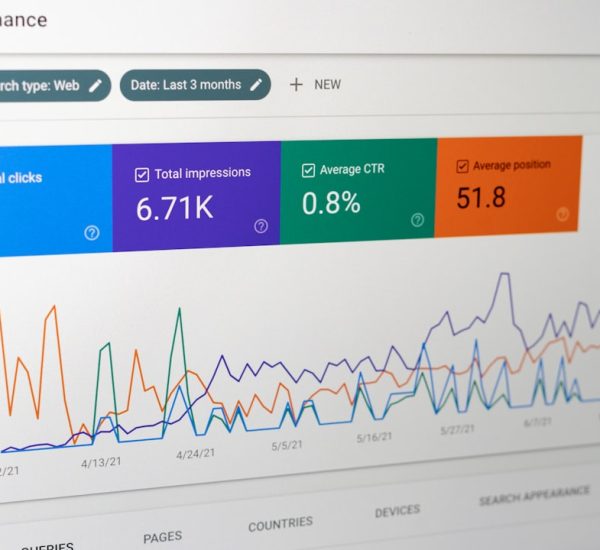
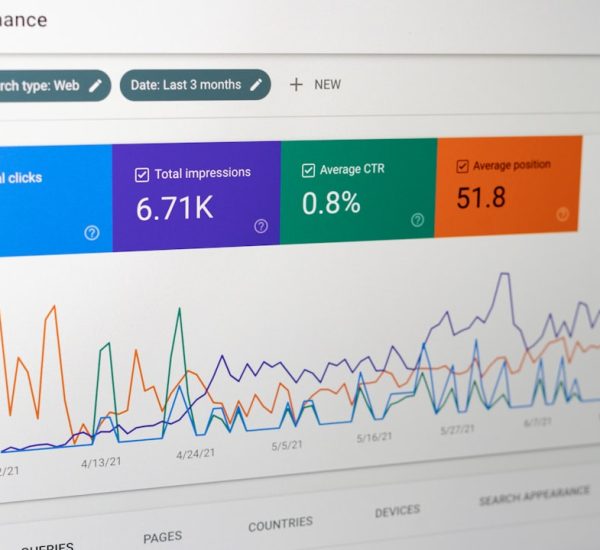
Additional sales strategies only work if you track their impact. Monitor metrics such as conversion rate, average order value, customer acquisition cost, repeat purchase rate, sales cycle length, and customer lifetime value. These numbers show which tactics are producing real results and which need adjustment.
It is also important to review qualitative feedback. Sales calls, customer reviews, support tickets, and surveys can reveal why people buy, hesitate, upgrade, or leave. Combining data with customer insight allows you to refine your strategy continuously.
Final Thoughts
Increasing revenue is not just about pushing harder for more sales. It is about creating better buying experiences, identifying hidden opportunities, and giving customers clearer reasons to choose you. By combining value-based messaging, strategic upselling, consistent follow-up, referrals, personalization, automation, and smart measurement, businesses can build a stronger and more resilient sales engine.
The most effective sales strategies are not isolated tricks. They are connected systems that help the right customers say yes more often, spend more confidently, and return more frequently.