


In today’s tech world, a responsive website is essential for businesses.
What is it and how does responsive web design work?
It is building a website that can be displayed on desktops, laptops, tablets, and phones and works seamlessly.
Our post will examine how WordPress’s responsive web design can help your SEO.
So, let’s first understand what responsive web design is.
What Is Responsive Web Design?
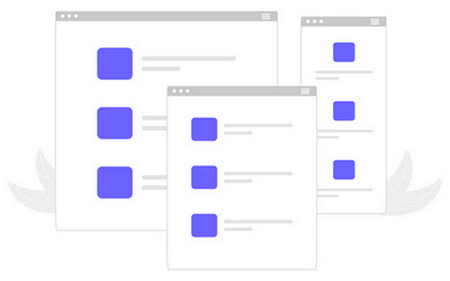
Responsive web design allows a website to adjust to various screen sizes and devices. It enables content to be displayed ideally, seamlessly, or on a laptop, tablet, or mobile phone.
With responsive web design, a website’s layout and design change depending on the user’s device, providing a consistent browsing experience.
Designers use CSS media queries when implementing responsive web design. These make it so that elements like photos, text, and navigation menus can resize and reposition themselves to fit the screen properly. This keeps websites looking good and easy to navigate across all devices.
Responsive web design also improves the user experience. It eliminates the need for zooming or horizontal scrolling because the content is responsive for each device. This increases user satisfaction and lets them stay on the site longer.
Ethan Marcotte coined the term “responsive web design” in 2010 in his article for A List Apart magazine. He wanted to create a responsive web design that works on all devices.
Since then, responsive web design has become a standard. Designers and developers now use its principles to create modern and user-friendly websites.
Understanding responsive web design is essential today. People access sites from various devices, and businesses can ensure their websites provide a seamless experience by using this approach.
This leads to increased engagement and conversions. So embrace responsive web design for your website’s success!
SEO Benefits of Responsive Web Design
Responsive Web Design has many advantages! A better user experience, increased mobile traffic, page loading speed, cost-effectiveness, better SEO ranking, and higher conversion rates.
In addition, it’s easier to manage content since you only need to update a version.
Here are some tips to make it more effective:
- Compress images and use the right file format to reduce size and improve loading speed.
- Prioritize important content on smaller screens.
- Test your site across various devices.
- Use media queries to apply specific CSS rules for different devices.
By following these suggestions, your website will be more accessible and user-friendly, which will benefit your business!
What Is SEO?

Search engine optimization is crucial to make sure a site is invisible and ranks in SERP. It uses different techniques that help search engines like Google to understand the content’s relevance.
Through optimizing numerous additives of the website, such as keywords, meta tags, and backlinks, SEO ensures the website shows up higher in ranking in the results when people search for related topics.
The importance of SEO can’t be overstated. When someone types something into a search engine, like Google or Bing, people usually click on the first 10 results.
If your site isn’t between those, it won’t get a lot of organic traffic. Through effective SEO tactics, you can increase the visibility of your page among other results.
Moreover, SEO helps websites gain trust and authenticity from people. When a website is up in the search results, users are more likely to believe it’s reliable and authentic compared to other sites.
This increases the chances of people clicking the link, staying longer on the site, and engaging with content.
SEO also helps make websites more user-friendly. It optimizes the technical parts of the website, making it faster to load and simpler to navigate. SEO makes sure the pages are accessible on different devices and screen sizes.
Also, SEO enhances user experience with features like clean code structure, proper HTML tags, descriptive image alt tags, and mobile responsiveness.
Why Is SEO Important for Websites?
SEO is a must for websites. It raises their search engine rankings so more people visit them. To make SEO work, keywords must be in the website’s content and meta tags.
Also, optimize the website’s loading speed, mobile-friendliness, and user experience. All this helps in better SERP rankings.
SEO also builds trust and credibility for a website. Users see top results as more authoritative. This leads to more organic traffic and conversions.
To improve SEO, do keyword research and incorporate relevant keywords. Optimize meta tags with accurate and concise descriptions.
Furthermore, backlink building helps to get high-quality links from good sites. This boosts organic traffic and visibility.
How Can WordPress Responsive Web Design Help With SEO?
To optimize your website’s search engine rankings, embrace WordPress’s responsive web design.
With its sub-sections on mobile friendliness and SEO, page loading speed, and improved user experience, you’ll find practical solutions to boost your site’s visibility, performance, and user satisfaction.
Adapt your web design to the modern user’s needs and watch your SEO soar.
Mobile-Friendliness and SEO
Let’s talk about how mobile-friendly websites differ from non-mobile-friendly ones.
- User Experience: Mobile-friendly sites offer a smooth browsing experience across all devices, with increased engagement and fewer bounce rates. But, non-mobile-friendly sites cause frustration due to slow loading times, zooming, and hard-to-navigate menus.
- Google’s Perspective: Google ranks mobile-friendly sites higher in search engine results. Non-mobile-friendly sites may be penalized.
- Local SEO Advantage: Mobile-friendly sites have more visibility in local searches done on mobile devices. Non-mobile-friendly sites miss out on potential local customers who search via their smartphones.
It’s not merely about making a website look good on mobile devices; it affects the website’s performance on SERPs too. By creating an ideal user experience on all platforms, you increase the chances of getting more organic traffic.
In addition to improving UX and higher search rankings, mobile-friendly websites also benefit your entire digital marketing strategy. With the huge usage of mobile internet, optimizing your website for mobile devices can result in more conversions and better customer engagement.
Studies state that 61% of users will not return to a website if it’s hard to access from their phones. Also, 40% would visit a rival’s site instead.
This shows how essential it is to give an excellent mobile experience to your audience – and how a non-mobile-friendly website can damage your online presence.
Page Loading Speed and SEO
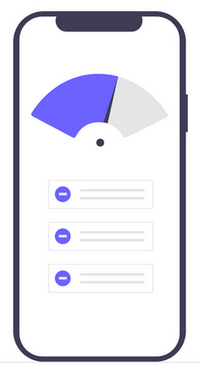
Page loading speed is key to SEO. A slow website can affect search rankings and user experience. To improve the speed of your site, consider these factors:
- Image optimization is a must to reduce file size without compromising quality. Compress images before you upload them for better loading speed.
- Minification is removing unnecessary characters from code files like HTML, CSS & JavaScript. This reduces file sizes, leading to faster page load times.
- Caching is storing certain site elements in temporary storage on a user’s device. Caching helps load pages faster by not needing to retrieve all assets from the server each time.
- Server response time is how long it takes time for a server to respond to a request from a browser. A fast server response time increases overall site speed.
Also, consider CDNs and optimized themes/plugins. CDNs distribute your site’s static content across multiple servers globally, for faster loading times.
Optimized WordPress themes/plugins are designed to be lightweight and efficient, cutting down on page load times.
To enhance your page loading speed and positively affect SEO, optimize images, reduce code size, use caching, improve server response time, utilize CDNs, and use optimized themes/plugins.
Improved User Experience and SEO
It is useful to picture their relationship in a table to understand the link between improved user experience and SEO.
- User Experience
- Faster load times
- Responsive design
- Mobile-friendly website
- Easy navigation
- SEO
- Increase search engine rankings
- Preferred by search engines
- Works well across different screen sizes
- Reduces bounce rates
In the past, web designers and developers only focused on making visually appealing websites without thinking about user experience or SEO.
As technology developed and user habits changed, these factors became more important. WordPress responsive web design was created to meet both user experience and SEO needs.
Implementation of WordPress Responsive Web Design for SEO
To implement WordPress responsive web design for SEO, you need to consider several aspects.
Start by choosing a responsive WordPress theme to ensure your website adapts to different devices. Optimize your images for responsive design and fine-tune them for SEO.
Lastly, optimize your content specifically for mobile devices to enhance user experience and improve search engine rankings.
Choose a Responsive WordPress Theme

A responsive WordPress theme is a must for optimized websites. Three key points to consider while selecting:
- Compatibility: Check if the theme is compatible with different screen sizes and resolutions, for a smooth user experience.
- Design Flexibility: Look for a WordPress theme that offers customizations like layouts and color schemes, to fit your brand and target audience preferences.
- Speed Optimization: Opt for a theme that is speed-optimized. Website loading time is a major factor in user experience and search engine rankings. Plus, make sure the theme takes into account SEO best practices like efficient coding and mobile-friendly features.
Responsive WordPress themes boomed around 2010 when smartphones became dominant.
Web developers saw the need to adapt websites to different screen sizes, thus creating responsive design frameworks and responsive WordPress themes.
Optimizing Images for Responsive Web Design
It’s essential to optimize images for responsive web design. Here are some strategies and techniques for image optimization:
- Image Compression reduces file size without compromising quality. Tools like Adobe Photoshop, TinyPNG, and ImageOptim can help.
- Lazy Loading means images only load when visible in the viewport. Try jQuery Lazy or native browser lazy loading attributes.
- SVG (Scalable Vector Graphics) SVG is lightweight and great for logos, icons, and illustrations. They scale up without loss of quality.
- Optimized Dimensions resize images to fit container dimensions. This lowers data transfer and displays images correctly on all devices.
- Context-aware Images serve different versions based on device characteristics. Try RICG Responsive Images for WordPress sites.
Experimenting can help you discover more ways to optimize images. A famous e-commerce platform improved mobile conversion rates by optimizing their images. It boosted sales and customer satisfaction.
Optimizing images for responsive web design is essential for awesome user experience and business growth.
Optimizing Content for Mobile Devices

A mobile-friendly website is key to successful SEO. Content that adjusts to different screen sizes is essential! This will enhance user experience and enhance your search engine rankings.
SEO Benefits of mobile optimization include:
- Improved user experience.
- Increased website visibility.
- Faster loading speed.
To get the most out of mobile optimization, ensure fast loading speeds, smooth navigation, and clear call-to-action buttons. Test your site on multiple devices for the best results.
Here’s a fun fact: 94% of people with smartphones search for local info on their phones – Google.
Conclusion
A responsive website design is vital in digital marketing to be successful in search engine rankings. WordPress has great responsive web design which can help SEO.
It ensures your website looks good on all devices – desktops, laptops, mobiles, and tablets. This matters for SEO because search engines prioritize user experience.
WordPress has SEO plugins and features to boost visibility. Plus, with more people using mobiles, your website must be mobile-friendly. WordPress’ responsive design adapts the layout depending on the user’s device.
An example of this is an e-commerce company that needed help with organic traffic and rankings.
After using responsive design and relevant SEO techniques, they saw a huge increase in traffic in only a few months. Combining WordPress’ responsive design with SEO can lead to great success.
Leverage WordPress to improve SEO and get more organic traffic.

Peter, your team has nicely presented the importane of SEO.. Certainly, SEO and responisive layouts are very essential for each n every website. But I still believe that the role of social media is also important along with SEO. A well optimized website can perform well on Search Engine Results as well as can attract social media attention to drive actual (human-interactive) web traffic.