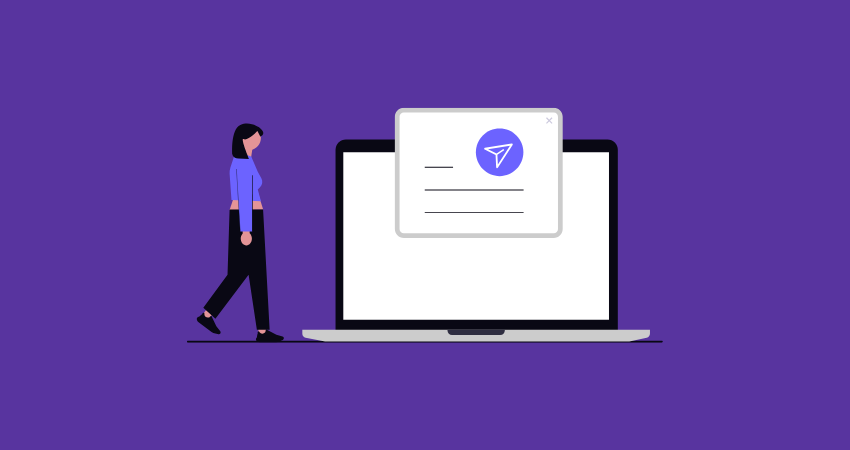
Someone visits your website. They’re just passing through, not yet invested in what you do. Maybe they read a post halfway through. Maybe they hover. Then, with no warning, a pop-up asks for their email address.
This is the exact moment everyone’s talking about – conversion. But the real process begins earlier. And it continues long after. Most opt-in strategies for WordPress focus on numbers, percentages, and funnels.
But that’s not the thing we’re chasing here. We’re more interested in strategies that open doors and then hold them open. That lets someone stay as long as they want.
This article will guide you through strategies that easily persuade your subscribers to read your emails because they feel like hearing from you.
Consistent, specific action taken at the right time; no gimmicks.
Let’s begin!
Email Opt-In Strategies for WordPress
What Even Is an Email Opt-In Strategy?

Email opt-in strategies begin once you have defined the kind of relationship you want to build with your audience.
An opt-in strategy is a structured method, an approach to inviting someone into continued contact.
While adding a sign-up form to your site is important, the way you invite people to join and how you present that invitation often matters more than where it’s placed.
A newsletter sign-up on a homepage is one kind of ask. A content upgrade at the end of a blog post is another.
Some people choose hard sells: lead magnets that promise transformation. Others might simply offer updates, previews, tools, etc. The form is less important than the framework that supports it.
Where does it lead? What happens once they’ve said yes? The answer to that question is your strategy.
A Slow Yes Begins Before the Form
Before someone types their email, they’re going to need a good reason. And not a reason in the form of ten percent off or exclusive content (as those work on impulse). You’re striving for a relationship that runs deeper.
Long before a form appears, the copy they’re reading, the design choices you’ve made (your website’s interface), and the general atmosphere of your web presentation begin to subtly build the user’s sense of whether they want to keep hearing from you.
If your voice is clear, your offer is an honest one, and your tone is consistent, the opt-in becomes almost expected.
This also means timing matters. Interrupting someone with a request too early feels a tiny bit abrupt. Waiting until they’ve finished reading or clicked around will give them time to choose.
Give the form a place in the rhythm, and it will stop feeling like an intrusion.
After the Click: Where the Work Begins
Once someone has subscribed, it doesn’t mean they’ll magically become a fan. That’s where automation often fails. Because it treats the subscription as the one and only goal to attain.
In reality, the first email they’ll receive will set the tone for everything that follows. And that’s where many strategies collapse: on the inbox side.
Poor formatting, irregular tone, lack of context. It all adds a good amount of friction, and you don’t need that. The real purpose of your opt-in strategy is to create as little friction as possible.
You want to improve email deliverability right out of the gate. That means: confirming consent, authenticating your domain, and avoiding common spam triggers. It should also involve sending something that matters immediately.
A welcome email that sounds like you. Something your users will remember. Something that doesn’t try to sell, but instead proves why they’ve signed up in the first place.
Boxes That Actually Belong
Most opt-in forms look the same. That’s because most people use the default. But small changes in form design create revolutions in user behavior.
Here are a couple of suggestions: vertical forms instead of horizontal ones. Use placeholder text that reads like a sentence instead of a label. Experiment with spacing, contrast, and microcopy.
You should also avoid anything that feels deceptive, like pre-checked boxes or wording that hides what someone is agreeing to.
And do not always place your form in the same spot. Sidebar forms are something that’s often ignored. Footer forms perform better than you’d guess. Pop-ups work, but not if they’ve arrived before anything has loaded.
Give the form context. All in all: let it look like it was made for that page, not dropped in from another one.
The Three Moments That Matter
There are three distinct moments concerning the flow in email opt-in strategies for WordPress that deserve specific thought.
- First: The instant someone is considering signing up.
- Second: The second they are typing in their address.
- Third: The very first thing they read once they’ve subscribed.
Unfortunately (for many website owners), most strategies focus on the second one only. But the first and third are more important.
Pre-signup, your job is to align interest with timing. That might mean a call-to-action that references what the users have just read. Or a sign-up form embedded mid-article, not at its end.
Post-signup, the follow-up message has to feel like a continuation. Use their name if you’ve previously asked for it. Reference what they were reading if your forms are page-specific. Keep the momentum going.
These three points, if handled deliberately, will change the relationship between you and your subscribers.
Integration Is Invisible
The best opt-in strategies for WordPress are often the ones that feel least visible.
An embedded form that matches your WP theme, a back-end workflow that adds tags to your CRM, a double opt-in process that’s been rewritten in your tone of voice – these small touches help avoid disconnection and keep the flow personal.
This is also where tools matter. Whether you use MailPoet, GetResponse, Kit, or something else, what matters most is whether the system supports nuance.
Does it let you segment based on behavior? Can you automate based on categories read, links clicked, and time of day?
Automation is that one thing that helps scale thinking.
Relationship Over Reach
Many sites chase size. Bigger lists, more subscribers, more growth. But none of that works if the open rates flatline or the replies stop coming.
The best relationships are the ones that begin with modest lists, when you can recognize names. When people respond.
If your opt-in strategy is tuned correctly, list size becomes secondary. What matters most in the context of opt-in strategies for WordPress is trust; whether someone expects your email and opens it because it comes from you.
According to a 2024 Forbes article, email marketing still works, and it’s more effective than ever. Its strength stems from connection quality rather than the total number of people it can reach. A single reader who’s paying attention can matter more than a crowd.
Naming the Thing Properly
Subscribe is fine, but a little vague (and overused). Signing up to receive weekly tips is better, but it still feels somewhat mechanical.
Give your newsletter a name. Frame it as something worth receiving, not just something you’re giving. Think of it like naming a section of a publication. Make it feel alive.
Naming also sets the tone. A playful name signals one kind of voice. A precise, serious name signals another. Choose carefully. A name remembered is a name clicked.
Segment Without Silos
Segmentation tends to get overcomplicated, but you don’t need twenty-five segments. You need three or four that shape the email experience.
Start with where they signed up. Then consider what they clicked. Maybe frequency preferences if your system allows it.
Then write accordingly. As was already said, don’t send everyone everything. Send only what makes sense to send them.
If someone came through a post on freelance taxes, don’t start pitching them WordPress themes.
Segmentation is mostly about relevance. And relevance builds relationships faster than repetition ever could.
Automation That Knows When to Pause
Once people set up automations, they forget to question them. And that’s when the strategy starts to drift.
Pause sometimes, just to let silence do part of the work. Don’t send five emails just because the sequence has five slots.
Consider what kind of message a person expects based on how they came in. If the content upgrade was a one-time checklist, maybe one follow-up is enough.
Review your sequences regularly. Remove pieces that sound dated or too promotional. Add in plain-text messages that don’t try to sell or impress. Let the emails breathe. Let them sound like you, not a funnel.
Real People Still Read Email
Good opt-in strategies for WordPress make the form feel like an invitation, not an exchange.
They’ll prepare the reader before they ask; follow up with presence, not pressure. They’ll continue speaking with the same voice that drew people in.
The key is simple: remember a person is reading. One person. At a time of day you won’t predict. With a screen you won’t see. In a mood you can’t measure. Treat that moment with respect. Do not waste it.
Email is still one of the few digital spaces that allows direct attention without interruption. Use that space wisely, and it will keep giving.