A successful CNC operator needs more than the ability to press cycle start. The best operators read prints, measure parts, spot tool problems early, adjust offsets, follow safety rules, and keep production moving without turning small errors into expensive scrap.
TLDR: A CNC operator succeeds by combining technical skill, careful measurement, machine awareness, and steady problem solving. For example, a shop running 500 aluminum parts per week may cut scrap by 12% when operators check tool wear every 25 parts instead of waiting for a bad dimension. The strongest operators also communicate clearly with machinists, programmers, inspectors, and supervisors. That mix keeps parts accurate, machines running, and deadlines realistic.
8 Skills Every CNC Operator Needs for Success
CNC machines can be precise, powerful, and unforgiving. One wrong offset can ruin a batch before anyone notices. One missed coolant issue can burn a tool and damage a part. That is why a skilled CNC operator brings both hands-on ability and strong judgment to every shift.
Below are the eight skills that separate reliable CNC operators from workers who only load parts and wait.
-
1. Blueprint Reading
A CNC operator must understand engineering drawings. This includes dimensions, tolerances, surface finish symbols, hole callouts, threads, datums, and revision notes.
Print reading is not optional. A part may look correct but still fail inspection because one feature is out by 0.003 inch. Good operators check the drawing before setup, during production, and after any change.
They also know when to ask questions. If a print shows a tight tolerance on a feature that seems odd, they do not guess. Guessing makes scrap. Clarifying saves time.
-
2. Measurement and Inspection
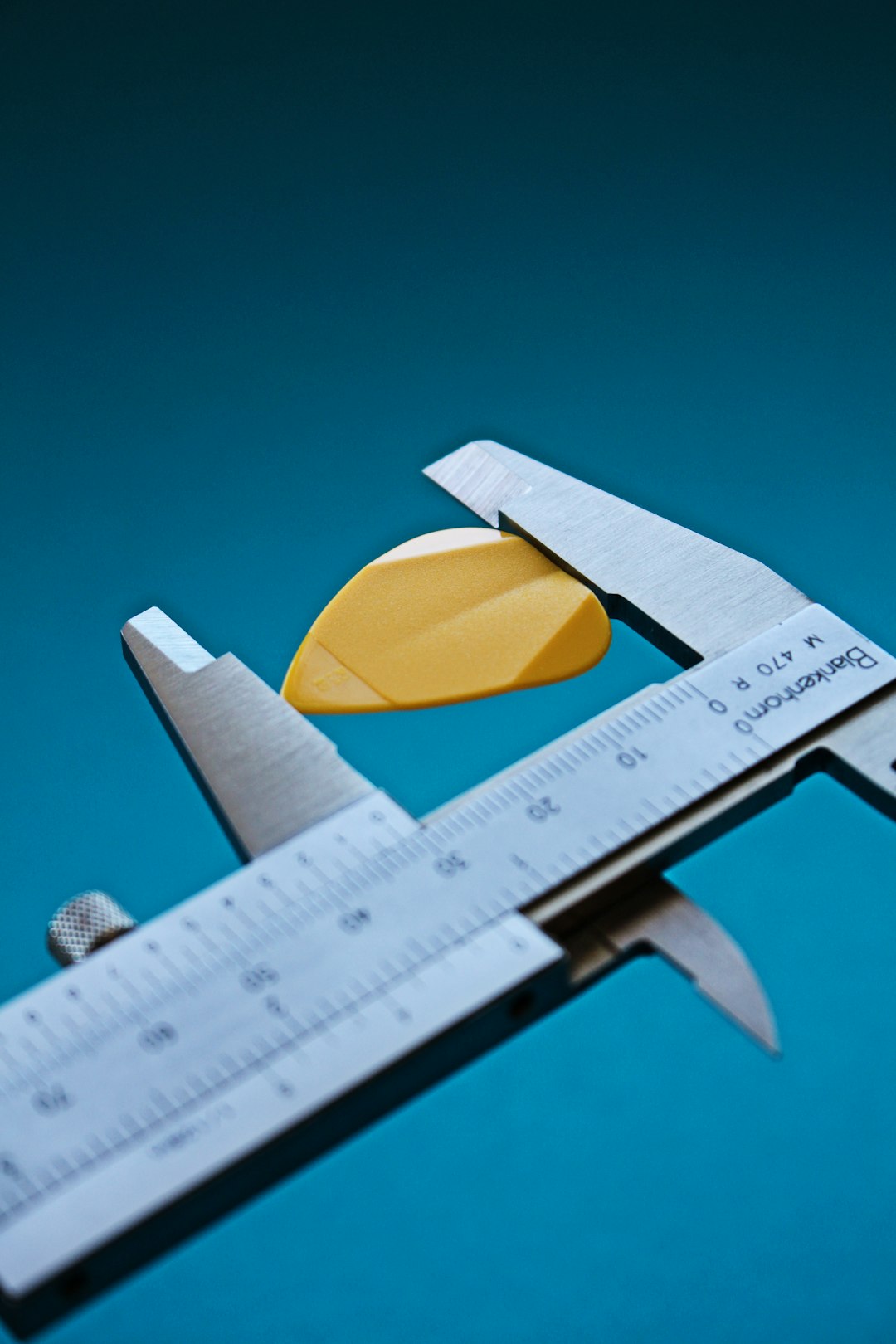
Accurate measurement is one of the biggest success factors in CNC work. Operators should be comfortable using calipers, micrometers, bore gauges, height gauges, thread gauges, and indicators.
They also need to understand repeatability. A single good reading does not always mean the part is good. A careful operator checks more than once and confirms that the measuring tool is clean, zeroed, and suited to the feature.
Small errors add up fast. A chip under a part, a warm spindle, or a worn tool can push a dimension out of range. Strong operators catch those changes before inspection rejects the job.
-
3. Basic CNC Programming Knowledge
Not every CNC operator writes full programs from scratch. Still, a useful operator understands the basics of G code, M code, feeds, speeds, tool calls, work offsets, and tool length offsets.
This knowledge helps them spot problems before damage occurs. For example, if a toolpath looks too close to a clamp, an operator with programming awareness will pause and review it. That pause may save a vise, fixture, spindle, or finished part.
Honestly, it feels like some machine controls hide the simplest offset screen behind three extra menus. A good operator learns those quirks instead of losing 30 seconds every time an adjustment is needed.
-
4. Setup Skill
Setup work separates entry-level operators from experienced ones. A CNC operator should know how to load tools, touch off tools, set work coordinates, align fixtures, check vises, and confirm program zero.
A clean setup reduces problems later. The operator checks clamp pressure, part seating, fixture wear, tool stickout, and clearance. They run dry checks or single-block checks when needed.
Setup skill also includes patience. Rushing setup often creates hours of rework. A smart operator spends five extra minutes confirming the basics before the first cut.
-
5. Tooling Awareness
Cutting tools do not fail politely. They chatter, chip, rub, squeal, load up, and sometimes snap. A CNC operator needs to recognize those warning signs early.
Tooling awareness includes understanding tool wear, insert condition, coating choice, tool length, holder rigidity, coolant flow, and chip evacuation. Operators should know when a tool is still usable and when it is about to ruin parts.
For production runs, this skill has real value. If a drill starts drifting after 200 holes, a strong operator records that pattern and changes the tool before defects appear. That kind of observation protects both quality and schedule.
-
6. Troubleshooting and Problem Solving
CNC work rarely goes perfectly all day. Parts move. Tools wear. Fixtures loosen. Coolant nozzles shift. Programs run differently after a material change.
A good CNC operator responds with a clear process. They stop the machine if needed, identify the symptom, check the obvious causes first, and make one controlled change at a time.
It drives supervisors crazy when random adjustments make the real problem harder to find. A careful operator does not chase dimensions blindly. They checks tool wear, offsets, part loading, temperature, and measurement technique before making major changes.
-
7. Safety Discipline
CNC machines combine speed, force, sharp tools, heavy parts, and hot chips. Safety must be automatic. Operators need to wear proper PPE, secure parts correctly, keep doors closed during cycles, and follow lockout rules during maintenance.
Safety also includes good housekeeping. Chips on the floor cause slips. Air hoses left across walkways cause trips. A rag near rotating tools is a serious hazard.
Strong operators do not treat safety as paperwork. They treat it as part of the job. A safe shop has fewer injuries, fewer machine crashes, and less downtime.
-
8. Communication and Documentation
CNC operators work inside a chain. Programmers, setup machinists, quality inspectors, material handlers, and supervisors all depend on accurate information.
A skilled operator records offset changes, tool life, inspection results, machine alarms, and setup notes. They explain issues clearly during shift handoff. They do not leave the next person guessing.
Good notes can save a repeat job months later. If a previous operator recorded that a certain stainless part needed lower feed on tool 6 after 75 pieces, the next run starts with fewer surprises.
Other Traits That Help CNC Operators Stand Out
Beyond the eight core skills, top CNC operators usually share a few habits. They stay calm under pressure. They respect tolerances. They keep tools organized. They listen to the machine. They also admit when something does not look right.
Attention to detail matters most. A CNC operator may run the same part for hours, but boredom cannot lead to sloppy checks. The 300th part must match the first part.
Time management also matters. Operators often run more than one machine, prepare tools for the next job, deburr parts, inspect features, and update paperwork. The best ones build a rhythm without skipping checks.
How CNC Operators Build These Skills
Most skills improve through a mix of training and repetition. Trade schools, apprenticeship programs, online CNC courses, and on-the-job coaching all help. Still, shop experience is hard to replace.
New operators should ask experienced machinists why decisions are made. Why was that tool changed early? Why did the offset move only 0.001 inch? Why did inspection reject a part that looked fine? Those answers build judgment.
Employers can help by giving operators clear setup sheets, good measuring tools, realistic production targets, and time to check first articles properly. High output means little if the scrap bin fills up.
FAQ
What does a CNC operator do?
A CNC operator runs computer-controlled machines that cut, drill, mill, turn, or shape materials. They load parts, monitor cycles, measure finished features, adjust offsets, and report problems.
Does a CNC operator need to know programming?
Full programming may not be required in every role, but basic G code knowledge is very useful. It helps the operator understand machine movement, tool changes, offsets, and possible crash risks.
What is the most important CNC operator skill?
Measurement skill is often the most critical. A CNC operator must confirm that parts match the print. Without accurate inspection, bad parts can move through production unnoticed.
How long does it take to become a good CNC operator?
Basic operation may take a few months to learn. Becoming reliable with setups, troubleshooting, tooling, and tight tolerances can take one to three years, depending on the shop and machine type.
Is CNC operation a good career?
Yes. CNC operation can lead to roles such as setup machinist, CNC programmer, quality technician, manufacturing lead, or shop supervisor. Operators who keep learning usually have the strongest career options.