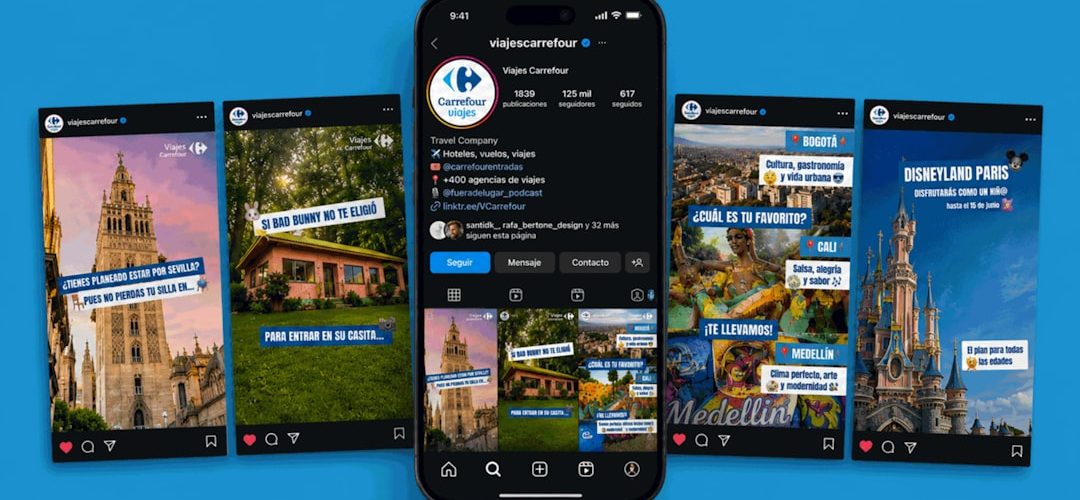
A Meta creative brief for a travel agency in 2026 should force every campaign detail into one clear system: audience, offer, destination, booking intent, creative angle, proof, compliance, tracking, and testing plan. Without that structure, paid social teams burn budget on vague “dream vacation” ads that look nice but fail to sell seats, rooms, tours, or packages.
TLDR: A strong Meta creative brief helps travel agencies move faster, reduce creative revisions, and match ads to real traveler intent. For example, a family beach package campaign might set a target CPA of $42, use three video hooks, and compare “kids stay free” against “save 18% before March 15.” One mid-sized agency could cut approval time from 5 days to 2 days by using one brief for creative, media buying, and analytics. The best template is not pretty; it is specific.
Why Travel Agencies Need a Better Meta Brief in 2026
Meta ads for travel are harder than they used to be. Travelers compare prices across apps. They save posts for weeks. They click on a Greece reel at lunch, then book a ski trip at night. A weak brief cannot keep up with that behavior.
A 2026 creative brief must connect inspiration with booking action. It should tell the creative team what to show, the media buyer what to test, and the account manager what success means. Honestly, it feels like many teams still treat the brief as a polite memo. Then everyone acts surprised when the first ad round misses the offer, the season, or the buyer mood.

Essential Fields in a Meta Creative Brief Template
1. Campaign objective
The brief should name the business goal first. Is the campaign built for leads, bookings, calls, WhatsApp messages, brochure downloads, or retargeting? For Meta, the objective might be Sales, Leads, Traffic, or Engagement. The field should also include the expected action, such as “generate 300 qualified honeymoon inquiries in 30 days.”
2. Travel product or offer
This field should be painfully clear. “Italy trips” is too broad. “7-night Amalfi Coast small group tour from $2,499, May to September departures” is useful. The brief should include price, inclusions, exclusions, booking deadline, deposit amount, refund rules, and seat or room limits.
3. Destination and seasonality
Travel ads depend on timing. A Bali campaign in January may sell escape. A Bali campaign in June may sell family adventure. The brief should list destination, travel dates, weather factors, local events, visa notes, and urgency triggers. If prices rise after a certain date, that belongs in the brief.
4. Target audience segments
The agency should define segments by intent, not just age. Examples include first-time cruisers, luxury honeymooners, retired cultural travelers, families planning school break trips, and solo travelers seeking guided groups. Each segment should include pain points, motivations, likely objections, and preferred booking path.
5. Traveler insight
This is the human reason behind the trip. A family may want less planning stress. A couple may want photos that feel once-in-a-lifetime. A retired traveler may want safety and comfort without feeling rushed. This field keeps creative from becoming another bland beach montage.
Creative Strategy Fields That Matter
6. Core message
The brief should include one main message per campaign. For example: “Book a guided Japan cherry blossom trip without planning every train, hotel, and ticket alone.” That message is stronger than “Explore Japan.” It names a desire and removes a headache.
7. Creative angles to test
Meta campaigns need variation. A strong brief lists three to five angles, such as:
- Price angle: Early booking savings or low deposit.
- Experience angle: Local guides, rare access, special meals.
- Ease angle: Flights, hotels, transfers, and tours handled.
- Social proof angle: Reviews, repeat travelers, real photos.
- Urgency angle: Limited cabins, peak dates, deadline pricing.
8. Required assets
The template should specify needed formats: 9:16 Reels, 4:5 feed images, 1:1 carousels, Stories, short testimonial clips, destination footage, UGC-style videos, and offer graphics. It should also define who supplies every asset. Expect to waste time on approvals when no one knows whether hotel photos are licensed for paid advertising.
Image not found in postmeta9. Hook and copy requirements
The first three seconds matter. The brief should include hook options such as “Skip the 40-hour Italy planning spreadsheet” or “Only 12 cabins left for Alaska in July.” It should also list words to avoid, brand voice rules, character limits, and required call-to-action lines.
10. Proof points
Travel buyers need trust. The brief should include review scores, years in business, partner credentials, bonding details, awards, traveler counts, cancellation support, and real customer quotes. Proof should be specific. “Trusted by 18,000 travelers since 2012” beats “trusted experts.”
Media Buying and Measurement Fields
11. Funnel stage
Each ad should have a job. Prospecting ads may sell the dream. Retargeting ads may handle objections. Bottom-funnel ads may push deadlines, deposits, or phone calls. The brief should label each asset by funnel stage so the media buyer does not pair a soft inspiration video with a hard booking audience by mistake.
12. Budget and flight dates
The template should include total budget, daily budget range, campaign start date, end date, blackout dates, and pacing rules. A $15,000 cruise campaign over 45 days needs different creative volume than a $1,500 weekend test.
13. KPI targets
Travel agencies should define success before launch. Useful targets include cost per lead, cost per booking, return on ad spend, cost per call, landing page conversion rate, hold rate, and booking close rate. For example, a luxury safari campaign may accept a $120 cost per qualified lead if the average booking value is $9,800.
14. Tracking setup
The brief should confirm Meta pixel status, Conversions API setup, UTM structure, CRM fields, offline conversion uploads, call tracking, and booking engine events. If tracking is missing, creative performance turns into guesswork. That is where teams lose days arguing over screenshots instead of fixing campaigns.
15. Testing plan
A 2026 template should include the exact test design. Which variable changes first: hook, offer, audience, format, or landing page? The cleaner the test, the cleaner the answer. A simple structure might test three video hooks against one audience for seven days, then move budget to the winner.

Compliance and Brand Safety Fields
Travel advertising can create legal and customer service issues fast. The brief should include required disclaimers, price conditions, availability rules, cancellation language, visa warnings, health guidance, and image usage rights. If an ad says “from $999,” the traveler must understand what that price includes.
Brand rules also matter. The brief should define logo use, color rules, tone, banned claims, preferred destination names, and partner requirements. Luxury agencies may need calm, polished copy. Student travel brands may use casual lines and fast cuts. The creative team should not guess.
A Practical Meta Creative Brief Structure
A useful template can be built with these sections:
- Campaign overview: goal, product, dates, budget.
- Audience: segments, intent, objections, desired action.
- Offer: price, inclusions, deadline, booking terms.
- Creative direction: message, hooks, formats, proof.
- Media plan: funnel stage, placements, tests, KPI targets.
- Tracking: pixel, CRM, UTMs, offline events.
- Compliance: disclaimers, rights, brand rules.
- Approvals: owners, due dates, final sign-off.
The best version fits on two to four pages. It should be detailed enough to stop confusion, but short enough that teams actually use it. A bloated brief becomes another ignored file in a folder named “final final.”
FAQ
What is a Meta creative brief for a travel agency?
It is a planning document that tells creative, media, and sales teams what a paid social campaign should promote, who it should reach, what assets are needed, and how success will be measured.
How long should the brief be?
Most travel campaigns need two to four pages. Larger seasonal campaigns may need more detail, especially when several destinations, offers, or audiences are involved.
What is the most missed field in travel ad briefs?
The most missed field is usually the traveler objection. Agencies often list audiences but forget what stops those people from booking, such as price fear, planning stress, safety worries, or schedule limits.
Should one brief cover all Meta placements?
Yes, but it should list asset needs by placement. Reels, Stories, feed, and carousels all need different formats and pacing.
How often should a travel agency update the template?
The agency should review it every quarter. Meta features, tracking rules, traveler behavior, and booking patterns shift often, so an old template can slow the team down.