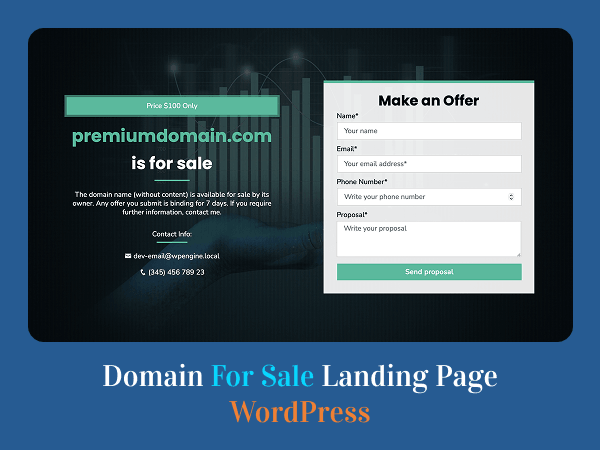
WordPress or a dedicated landing page builder? Here’s a clear-eyed look at which one converts better for your paid ads and where each one wins.
If you’ve ever compared WordPress with a landing page builder, you’ve probably seen the same answer over and over: “It depends.” True, but not exactly useful when you’re trying to pick a platform before launch.
A dedicated landing page builder can have you publishing campaigns before your coffee gets cold. By contrast, WordPress asks more of you upfront, but hands back more control once it’s set up. Neither one automatically leads to higher conversion rates.
A beautiful page built on either platform can still flop, and a simple one can exceed expectations when it matches what visitors expect and gets out of their way.
In other words, your decision isn’t WordPress versus a builder. It’s speed versus control, and how much of that tradeoff you’re willing to manage yourself. This article breaks down where each platform holds up under paid traffic and how to pick the one that fits your campaign.
Landing Page Builders Usually Convert Better From Day One
If you’re starting from scratch, dedicated landing page builders like Unbounce, Leadpages, Carrd, and similar tools usually have the edge. That’s because they remove many of the common issues that hurt conversions before your page even goes live.
Most builders come with templates designed around getting visitors to take action. They keep distractions to a minimum, encourage a single call to action, and make it easy to create clean, mobile-friendly pages without much technical work. Unbounce is a standout example here:
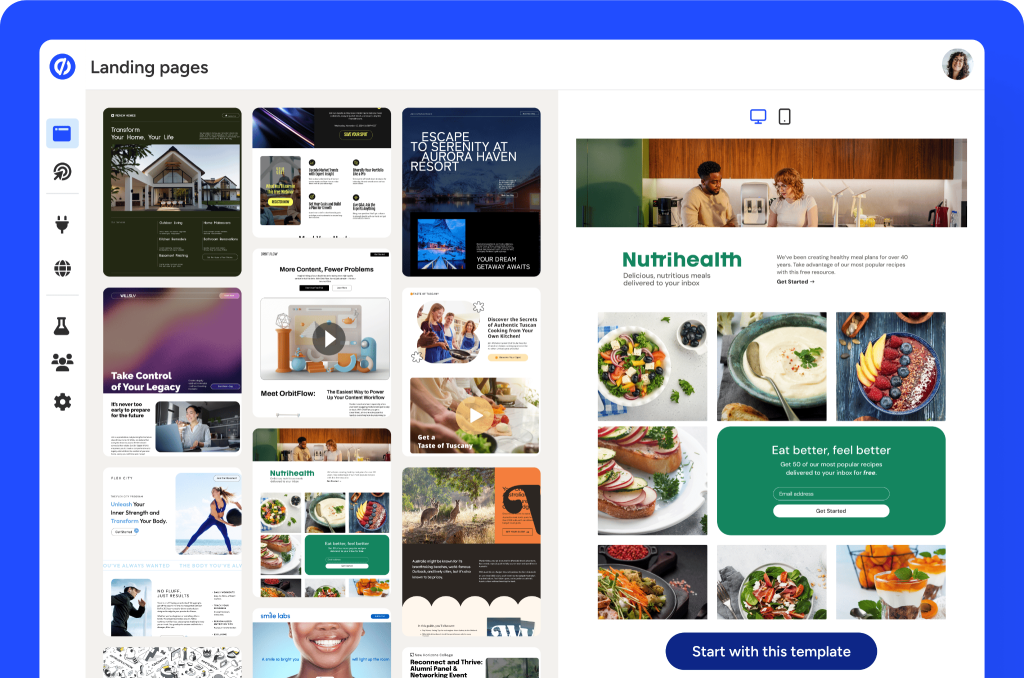
Many also include built-in A/B testing, analytics, and fast hosting. Instead of spending time configuring plugins or fixing layout issues, you can focus on improving headlines, offers, and messaging.
That matters because paid campaigns reward speed. The faster you can launch, measure results, and make improvements, the faster your campaigns get better.
This is why any experienced DTC ecommerce growth agency looks beyond platforms to build on. A more meaningful goal is to choose the option that makes it easier to build, test, and improve landing pages without unnecessary friction.
That said, this isn’t the whole story. A well-built WordPress landing page can absolutely compete.
WordPress Gives You More Freedom, Along With More Responsibility
WordPress doesn’t convert worse than builders by default. Poorly optimized WordPress sites do. Landing page builders make many conversion-friendly decisions for you, whereas WordPress lets you make those decisions yourself. That flexibility is one of its biggest strengths, but it’s also where things can go wrong.
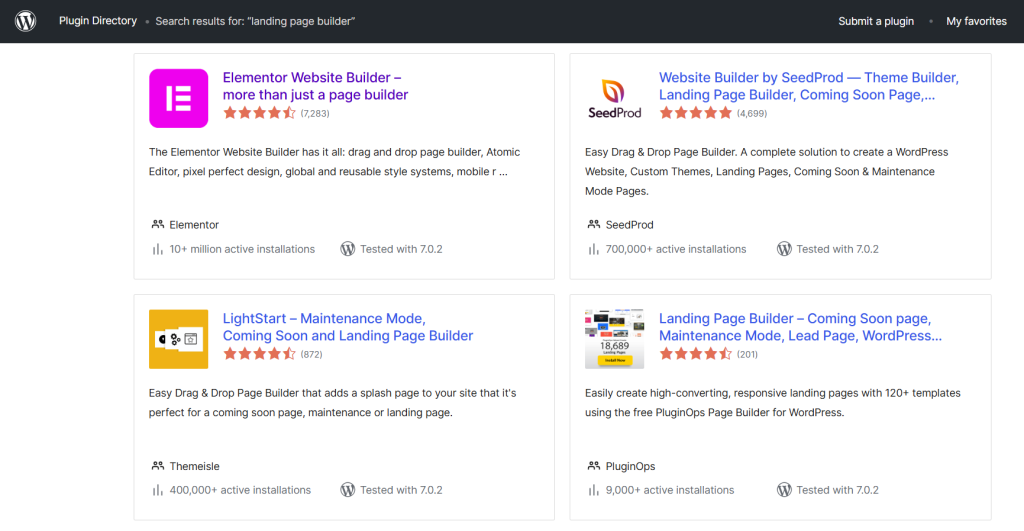
Performance depends on your hosting provider, themes, plugins, and how efficiently those pieces work together. Install a bloated page builder or add too many third-party plugins, and your landing page can become noticeably slower.
Speed affects conversions directly, too. According to Google, as mobile page load time increases from 1 second to 3 seconds, the probability of a visitor bouncing increases by 32%. Every extra second gives visitors another reason to leave before they’ve even seen your offer.
None of this means WordPress should be ruled out. With quality hosting, a lightweight theme, sensible plugin choices, and proper caching, WordPress can deliver landing pages that perform just as well as dedicated builders. The difference is that WordPress lets you make those decisions yourself.
Testing Matters More Than Your Platform
One thing platform comparisons often miss is that the first version of your landing page probably won’t be the best one. High-converting pages are rarely built in a single attempt. They’re refined over time.
This is where dedicated landing page builders often pull ahead. Most let you duplicate a page, change one element, and launch an A/B test in minutes. Results appear in the same dashboard, which makes it easy to compare versions and keep improving.
WordPress can do the same thing, but it usually takes a bit more work. You’ll often need separate testing tools or additional plugins before you can run meaningful experiments. When testing takes five minutes, you’ll probably do it regularly, but when it takes half an afternoon, it’s easy to postpone until “next week.”
Small improvements add up quickly. (stronger headlines, shorter forms, clearer CTA, etc.). None of these changes sounds dramatic on its own, but together they can have a meaningful impact on campaign performance. The platform that makes testing easier often becomes the platform that converts better over time.
Choose the Platform That Fits Your Team
There’s no universal winner here because not every team works the same way. A dedicated landing page builder is usually the better choice if you:
- Launch paid campaigns frequently.
- Need built-in testing tools.
- Want minimal maintenance.
- Prefer getting pages live quickly.
WordPress may be the better fit if you:
- Already run your website on WordPress.
- Need deeper customization.
- Want complete ownership of your site.
- Have the technical resources to keep performance optimized.
At the end of the day, neither platform can rescue weak messaging or a poor buying experience. The higher-converting platform is the one your team can build on and improve consistently without slowing down your marketing.
When you’re paying for every click, that ability to keep testing and improving is often what makes the biggest difference.