Use official YouTube downloads when you need lawful, predictable offline viewing, and treat sites like YouTube-to-MP4.org as risky tools that may clash with YouTube rules, creator rights, and your device security. YouTube downloader sites are popular because they promise a simple MP4 file you can keep, move, or edit. That sounds convenient. The trouble is that convenience often comes with legal limits, quality problems, ads, popups, and privacy questions.
TLDR: Official YouTube downloads, usually through YouTube Premium, are safer and built for offline viewing inside the YouTube app. Third-party downloaders such as YouTube-to-MP4.org may offer MP4 files, but they can violate YouTube’s terms and may expose users to sketchy ads or unwanted redirects. For example, a student saving 12 lecture videos for a train ride is better off using Premium offline downloads than testing five converter sites and hoping one works. If you only need personal offline access, the official route is the lower-risk choice.
What YouTube-to-MP4.org and similar sites promise
Sites with names like YouTube-to-MP4.org usually market one clear idea: paste a YouTube link, choose a format, then download an MP4 video file. No app store. No subscription. No complicated setup. That is why people search for them.
The appeal is obvious. A normal MP4 file can be saved on a laptop, copied to a USB drive, uploaded into editing software, or watched later without opening YouTube. For people with poor internet, limited mobile data, or long flights, that can feel like the perfect fix.
But this is where users need to slow down. YouTube’s rules generally do not allow downloading videos unless YouTube provides a download button or the creator gives permission. Some videos are also protected by copyright. Downloading them outside approved tools may break platform terms or copyright law, depending on the use and location.
Official YouTube downloads: what you actually get
Official downloads are usually tied to YouTube Premium, though availability can vary by country and video type. When you tap the download button in the YouTube app, the video is stored for offline playback inside that app. It is not saved as a normal MP4 file in your camera roll or downloads folder.
That limitation annoys some users. Honestly, it feels like YouTube gives you offline viewing with one hand and keeps strict control with the other. Still, the tradeoff is clear: fewer security worries, fewer legal gray areas, and better reliability.
- Pros: safer downloads, no converter popups, app-based playback, creator-friendly model.
- Cons: files stay inside YouTube, some videos cannot be downloaded, downloads can expire, subscription may be required.
- Best for: travelers, students, commuters, families, and anyone who wants offline viewing without fuss.
Official downloads also support creators more fairly. Premium revenue is shared with creators based on watch activity. That is not the same as buying a video outright, but it is far better than stripping the video into a file through a random site that pays the creator nothing.
Third-party downloaders: convenience with strings attached
Third-party downloaders attract users because they offer something YouTube does not: a portable file. The catch is that the tool may work one day and fail the next. YouTube changes its systems often. Converter sites then break, slow down, or push users through extra pages.
Expect to waste time on small annoyances. One site may take 45 seconds to process a three-minute clip. Another may show three “download” buttons, but only one is real. A third may redirect to an ad page before the file appears. That is not just irritating. It can become risky.
Common issues include:
- Misleading ads: fake download buttons can lead to unrelated software or scam pages.
- Privacy exposure: some sites may log URLs, IP addresses, or browser details.
- Malware risk: aggressive popups and bundled files can put devices at risk.
- Quality drops: the final MP4 may have weak audio, missing captions, or lower resolution than expected.
- Unclear legality: personal use does not always make a download allowed.
Copyright and terms: the part users skip
Many users think, “I am not selling it, so it is fine.” That is not always true. Copyright law protects the creator’s work, and YouTube’s terms place limits on downloading. If there is no visible download option from YouTube, and no permission from the owner, saving the video as an MP4 can be a problem.
There are cases where downloading may be allowed. A creator might offer a video under a license that permits reuse. Some channels provide download links in the description. Public domain videos may also be usable. Even then, users should read the terms. A video being free to watch does not mean it is free to copy.
For business use, the risk is higher. A marketing team that downloads clips from YouTube and uses them in a sales presentation can create copyright trouble fast. Schools, nonprofits, and small businesses should be careful too. Good intent does not erase ownership rights.
When official downloads make more sense
Official downloads are best when your goal is simple: you want to watch later. A commuter can download five videos at home on Wi-Fi, then watch them on the subway without burning mobile data. A parent can save children’s videos before a road trip. A student can store revision videos before a flight.
In these cases, the official option wins because it fits the need. You do not need a raw MP4. You need playback. The YouTube app handles that well, and it avoids the mess of converter sites.
Official downloads are also better for people who are not tech-savvy. There is no guessing which button is safe. There is no file manager hunt. There is no weird browser tab playing audio in the background. It just works most of the time, which is more than can be said for many converter pages.
When an MP4 file may be legitimate
There are valid reasons to need an MP4. Maybe you are downloading your own uploaded video. Maybe a creator gave direct permission. Maybe you are working with licensed training content. In those cases, use proper sources first.
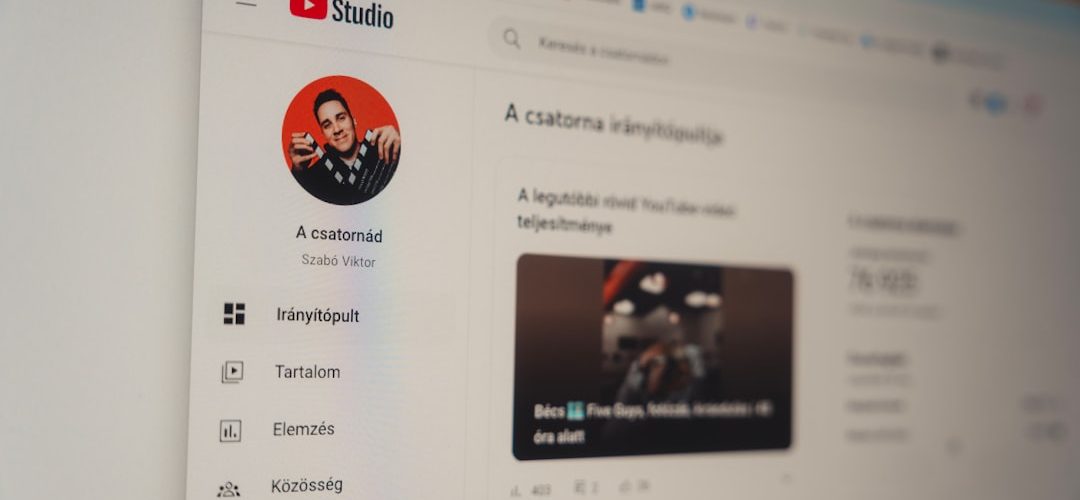
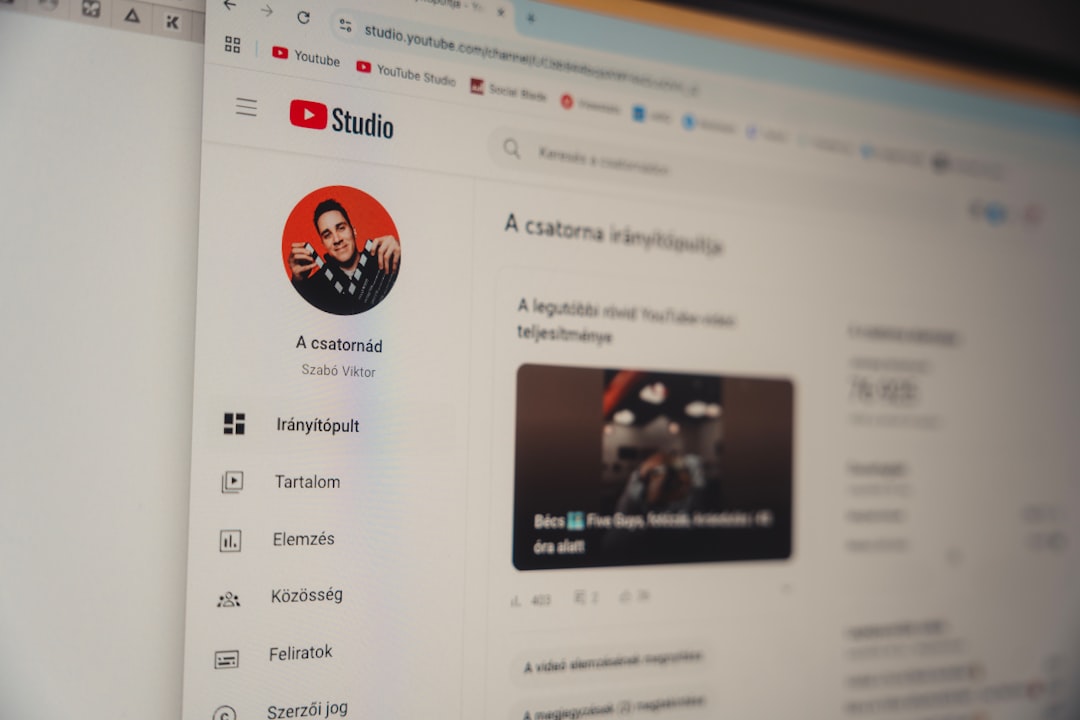
- Download your own uploads through YouTube Studio when available.
- Ask the creator for a direct file or written permission.
- Use stock video sites or licensed media libraries for projects.
- Check whether the video has a license that permits reuse.
If you do use any third-party tool, avoid installing unknown software. Do not enter YouTube, Google, or payment credentials. Close pages that spawn repeated popups. Scan downloaded files before opening them. These steps do not make every download lawful, but they reduce basic security risk.
Quality, captions, and file control
One reason people chase MP4 converters is control. They want a file they can rename, archive, edit, or play on any device. Official YouTube downloads do not allow that. The video stays locked to the app.
Still, converters often fail at the details. Captions may disappear. Audio and video may be out of sync. A 1080p label may produce a file that looks worse than expected. Long videos may fail halfway. Some tools split audio and video streams poorly, which leads to playback issues in older media players.
For casual use, that may not matter. For teaching, archiving, editing, or work, it matters a lot. A broken file can waste more time than it saves.
The practical rule
If you want to watch YouTube offline, use YouTube’s download feature where available. If you need an editable MP4, get permission or use your own content. If a downloader site promises instant access to any video, treat that promise with caution.
The simple split is this: official downloads are for safe offline viewing; third-party MP4 downloaders are for edge cases with permission and extra risk. That may not be the answer everyone wants, but it is the one that keeps users, creators, and devices in a better place.