Local businesses should connect Facebook ads directly to an automated booking flow, not just a contact form or phone number. In 2024 and 2025, the businesses getting more customers from Facebook are the ones that reduce delay. A person sees an ad, clicks, chooses a service, selects a time, gets reminders, and pays or confirms without waiting for a callback.
TLDR: Booking automation software makes Facebook ads more profitable because it turns interest into confirmed appointments while the customer is still motivated. For example, a dental clinic spending $1,200 per month on Facebook ads could move from 38 form leads to 52 booked consultations by adding instant scheduling and SMS reminders. If the no-show rate drops from 22% to 12%, the same ad budget produces more real visits. The key is not more clicks; it is fewer lost leads after the click.
Why Facebook ads and booking automation fit so well
Facebook and Instagram ads are good at creating local demand. They can reach people by location, age range, interests, behavior, and past engagement. That matters for salons, dentists, gyms, med spas, home service companies, tutors, clinics, repair shops, photographers, and many other appointment-based businesses.
Booking automation software solves the next problem: what happens after the click. Too many local businesses still send ad traffic to a slow website, a generic “contact us” form, or a voicemail inbox. That creates friction. People compare options quickly. If booking takes effort, they leave.
The better setup is simple:
- Ad: Shows a clear offer to a local audience.
- Landing page or booking page: Matches the ad message.
- Booking system: Shows real availability and confirms the appointment.
- Reminders: Sends SMS, email, or WhatsApp prompts.
- Follow up: Contacts no-shows, cancellations, and unbooked leads.
The catch is that many tools claim to automate booking, but they still make customers create an account, enter too much information, or wait for manual approval. That can ruin an otherwise solid ad campaign.

What changed in 2024 and 2025
Facebook advertising has become more automated. Meta’s campaign tools now push advertisers toward broader targeting, machine learning, creative testing, and conversion-based optimization. That can work well, but only if the business sends clean signals back to Meta.
A booked appointment is a stronger signal than a page view. A completed deposit is even stronger. If the Facebook pixel, Conversions API, or CRM integration can report these actions, Meta can better understand which people are likely to become customers.
At the same time, consumers expect instant booking. They book restaurant tables, rides, hotels, and doctors from their phones. Local services are judged by the same standard. If a competitor lets someone book in 20 seconds and you need three calls, you are giving away revenue.
The practical growth system
A strong local campaign does not need to be complicated. It needs each part to do its job.
1. Build the offer around a real booking action
Weak ads ask people to “learn more.” Stronger ads ask people to take a specific action. For example:
- Salon: “Book a first-time color consultation this week.”
- Chiropractor: “Schedule a new patient assessment.”
- HVAC company: “Book a system tune-up before peak season.”
- Fitness studio: “Reserve a free trial class.”
- Med spa: “Book a skin consultation with limited weekly slots.”
The offer should be easy to understand. It should also match available capacity. Do not advertise 40 appointments if the calendar only has 12 real openings. That creates frustration for staff and customers.
2. Send traffic to a focused booking page
Do not send paid traffic to a busy homepage if the goal is appointments. A focused page should include:
- The service name and clear benefit.
- Local trust signals, such as reviews or years in business.
- Pricing guidance, if possible.
- Photos of the team, location, or work.
- A visible booking widget above the fold.
- Mobile speed under three seconds where possible.
Honestly, it feels like some booking pages were designed to punish motivated buyers. Tiny buttons, hidden times, broken mobile layouts, and five required fields can add 30 to 60 seconds. That is enough time for someone to quit.
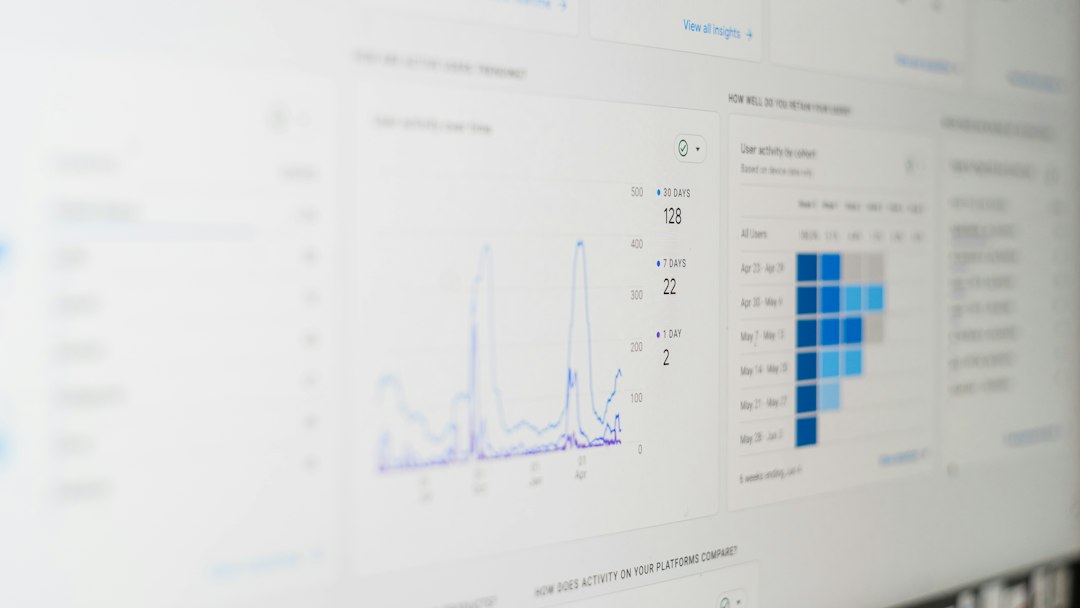
3. Track booked appointments, not just leads
Lead volume can be misleading. A campaign may generate 100 leads, but only 20 may book. Another campaign may generate 55 leads and 35 bookings. The second campaign is usually better.
Track these numbers every week:
- Cost per booked appointment
- Booking page conversion rate
- No-show rate
- Cost per completed visit
- Revenue per new customer
- Repeat booking rate
If possible, pass appointment data back to Meta. This helps the ad system optimize toward people who book, not just people who click.
How automation reduces waste
Facebook ads often fail after the lead is captured. A person fills out a form at 8:45 p.m. The business calls the next morning. The person is busy. Staff tries again later. The lead goes cold.
Booking automation changes that pattern. It can:
- Show live availability at any hour.
- Send instant confirmations.
- Collect deposits to reduce no-shows.
- Trigger reminders 24 hours and 2 hours before the visit.
- Send reschedule links instead of forcing phone calls.
- Create waitlists for canceled slots.
- Notify staff when a high value appointment is booked.
For many local businesses, the biggest gain is not more traffic. It is recovering demand that was already paid for. If you spend $50 to get a lead and then respond too late, that money is gone.
A simple example: local med spa campaign
Assume a med spa runs a Facebook campaign for first-time skin consultations. The monthly ad spend is $1,500. The old campaign sends people to a form. It produces 75 leads at $20 each. Staff reaches 45 people. Only 28 appointments are booked. Due to no-shows, 22 people attend.
Now replace the form with automated booking. The ad sends people to a mobile booking page with live times, reviews, and a $25 refundable deposit. The same budget produces 60 leads, which may look worse at first. But 42 people book, and 37 attend because reminders and deposits reduce no-shows.
The second version has fewer leads but more customers. That is the point. Vanity metrics do not pay rent.
What to look for in booking automation software
Choose software based on fit, not hype. A local business should look for:
- Real time calendar sync with staff availability and service duration.
- Mobile first booking with as few steps as possible.
- SMS and email reminders included or easy to connect.
- Deposit and payment options for higher intent bookings.
- Meta pixel and Conversions API support or CRM integration.
- Cancellation and reschedule links that do not require staff time.
- Reporting that shows bookings, attendance, and revenue.
Also check support quality. If a calendar sync breaks on a Friday afternoon, “submit a ticket” may not be good enough. Local businesses need reliable tools because missed appointments are missed cash flow.
Facebook ad structure for local booking campaigns
A practical structure could include three campaign types.
- Cold audience campaign: Targets people in the service area with a clear service offer.
- Retargeting campaign: Reaches website visitors, video viewers, page engagers, and people who opened lead forms but did not book.
- Customer reactivation campaign: Promotes repeat visits, seasonal services, or membership offers to past customers.
Use creative that feels local. Real staff photos often beat polished stock images. Short videos work well when they show the service, the location, customer results, or the owner explaining the offer. Keep claims accurate. Avoid exaggerated promises, especially in health, beauty, finance, or home repair.
Image not found in postmetaCommon mistakes to avoid
- Running ads without enough appointment slots. Demand without capacity creates bad reviews.
- Using one generic landing page for every service. Message mismatch lowers bookings.
- Ignoring no-shows. Attendance matters more than form submissions.
- Letting staff manually confirm every booking. This slows the process and defeats the purpose.
- Failing to track revenue. Cheap bookings are not always profitable bookings.
The best path for 2025
Start with one service, one offer, and one booking flow. Fix the page speed. Reduce form fields. Add reminders. Track booked appointments and completed visits. Then increase budget only when the numbers make sense.
For local businesses, the winning formula is practical: clear Facebook ad, fast booking, reliable reminders, and honest measurement. When those pieces work together, advertising becomes less about chasing clicks and more about filling the calendar with people who actually show up.