The concept of the metaverse has evolved from speculative fiction into a serious topic of discussion among technologists, economists, and policymakers. It promises immersive digital environments where people can work, socialize, learn, and create in ways that extend far beyond today’s internet. While the idea is often associated with virtual reality headsets and 3D avatars, the metaverse is a broader and more complex vision—one that blends digital and physical realities into interconnected experiences.
TLDR: The metaverse refers to a shared, persistent digital environment that combines virtual reality, augmented reality, and the internet into immersive experiences. It allows users to interact, work, play, and transact in interconnected virtual spaces using digital identities. While still evolving, it has significant implications for business, education, entertainment, and society. However, technical, ethical, and regulatory challenges must be addressed before it becomes mainstream.
At its core, the metaverse represents the next stage in the evolution of the internet. If the early web was primarily text-based and the modern web is mobile and social, the metaverse aims to be immersive and embodied. Instead of merely viewing content on a screen, users can enter and participate in digital environments that simulate physical presence and interaction.
Understanding the Foundations of the Metaverse
The metaverse is not a single platform or company-owned ecosystem. Rather, it is best understood as a network of interconnected digital spaces supported by multiple technologies. These technologies include:
- Virtual Reality (VR) – Fully immersive digital environments accessed through headsets.
- Augmented Reality (AR) – Digital overlays that enhance the physical world.
- Mixed Reality (MR) – Environments where physical and digital elements interact in real time.
- Blockchain and Digital Assets – Systems that enable ownership of virtual goods and identity verification.
- Advanced Networking – High-speed connectivity, including 5G and beyond, to support persistent online interaction.
Together, these components form the technical backbone of a persistent, shared digital universe. Unlike a video game that resets or an app session that ends, the metaverse is envisioned as continuous and always accessible.
Virtual Reality: The Entry Point
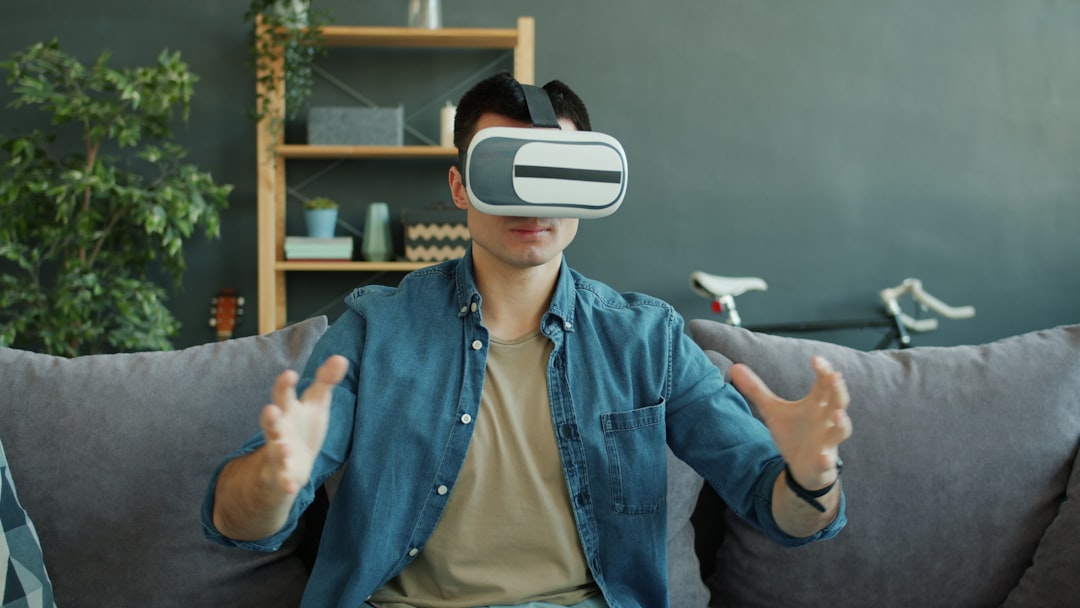
Virtual reality is often considered the gateway to the metaverse because it provides the most immersive experience currently available. By wearing a VR headset, users can enter three-dimensional environments where they are represented by avatars. These avatars can speak, gesture, and interact with objects or other users in real time.
In enterprise settings, VR is already being used for:
- Training simulations in medicine, aviation, and manufacturing.
- Remote collaboration for globally distributed teams.
- Virtual events and conferences that replicate in-person interaction.
However, VR alone does not define the metaverse. It is only one interface among many. Users may engage through smartphones, AR glasses, desktop computers, or future wearable technologies. The metaverse is platform-agnostic; what matters is the shared digital continuity across experiences.
Beyond VR: Interconnected Digital Worlds
A defining feature of the metaverse is interoperability—the ability to move digital identities, assets, and experiences across platforms. Ideally, a user’s avatar, digital wardrobe, professional credentials, or creative works would travel seamlessly between environments.
Today, most digital platforms operate as closed ecosystems. In contrast, a mature metaverse would require:
- Shared standards for identity and digital assets.
- Cross-platform compatibility between services.
- Persistent infrastructure that remains active regardless of user presence.
This vision aligns with the broader trend toward decentralization, where users maintain greater control over their data and digital property. Blockchain technology is often cited as a potential enabler, allowing for verifiable ownership of digital goods such as virtual real estate, artwork, or collectibles.
Economic Implications
The metaverse is expected to influence the global economy in significant ways. Virtual goods and services already generate billions in revenue annually. In virtual environments, users may purchase land, clothing for avatars, event tickets, educational courses, or professional services.
Major economic components of the metaverse include:
- Digital Commerce – Retail experiences where customers explore virtual showrooms.
- Creator Economies – Designers and developers building and monetizing virtual content.
- Remote Work Infrastructure – Immersive offices replacing or supplementing physical workplaces.
For businesses, the metaverse presents both opportunity and risk. Companies must carefully evaluate how immersive environments align with their strategic objectives. Early experimentation may provide competitive advantages, but poorly executed initiatives can damage credibility.
Social and Cultural Dimensions
The metaverse has the potential to transform social interaction. In immersive environments, geographical barriers become less relevant. Friends and colleagues from different continents can share a simulated physical space, attend concerts, or collaborate on complex projects.
This shift raises important cultural considerations:
- Identity Expression – Avatars allow individuals to present themselves creatively, sometimes differently from their physical appearance.
- Community Formation – Niche interest groups can gather in shared virtual spaces.
- Digital Etiquette – New norms and behavioral standards must develop for immersive interaction.
However, social risks are equally significant. Issues such as harassment, misinformation, and digital exclusion can become more intense in immersive settings. Governance frameworks and effective moderation mechanisms will be essential for ensuring safe and equitable participation.
Education and Training in the Metaverse
Educational institutions are examining how immersive environments can enhance learning outcomes. Complex subjects, from anatomy to engineering, can be visualized in three dimensions, allowing students to explore and manipulate detailed simulations.
Advantages of metaverse-based education include:
- Experiential learning through interactive simulations.
- Global classroom access regardless of physical location.
- Enhanced engagement compared to traditional video-based instruction.

Yet, equitable access remains a challenge. VR headsets and high-speed internet connections are not universally available. Without deliberate inclusion strategies, the metaverse could widen existing educational disparities.
Technical and Ethical Challenges
Despite its potential, the metaverse faces substantial obstacles before achieving mainstream adoption.
Technical challenges include:
- High computational requirements.
- Latency and network reliability concerns.
- Hardware affordability and comfort.
Ethical and regulatory concerns involve:
- Data privacy and biometric tracking.
- Digital addiction and mental health impacts.
- Ownership and intellectual property disputes.
In immersive environments, platforms may collect detailed information about movement, eye tracking, and behavioral patterns. This data can improve user experience but also introduces unprecedented privacy risks. Regulators, companies, and civil society organizations must collaborate to establish standards that protect individuals without stifling innovation.
The Future Outlook
The metaverse should not be viewed as a sudden transformation but as a gradual convergence of technologies. Elements of it already exist in online gaming platforms, collaborative digital workspaces, and augmented reality applications. Over time, these elements may integrate into more cohesive and interoperable systems.
It is important to approach the metaverse with balanced expectations. While some portray it as a revolutionary replacement for physical reality, others dismiss it as a temporary trend. The most plausible outcome lies somewhere in between: a hybrid digital-physical ecosystem that enhances certain aspects of life while leaving others unchanged.
Organizations considering engagement with the metaverse should adopt a disciplined approach:
- Assess strategic relevance rather than following hype.
- Invest in pilot projects to test practical applications.
- Prioritize user safety and accessibility in design decisions.
Ultimately, the metaverse represents an ambitious extension of the internet into immersive, interactive dimensions. Virtual reality is an essential component, but the broader vision encompasses augmented reality, persistent digital identity, decentralized ownership, and interconnected services. As the infrastructure matures, the metaverse may become an integral layer of digital life—reshaping how people communicate, conduct business, and experience community.
A serious examination of the metaverse requires moving beyond marketing language and speculative projections. Its development will depend not only on technological breakthroughs but also on thoughtful governance, inclusive design, and responsible innovation. If these conditions are met, the metaverse could evolve into a meaningful and productive extension of the modern digital world.