Sales has always been a profession filled with pressure, optimism, rejection, awkward conversations, heroic comebacks, and the occasional spreadsheet-induced meltdown. That is exactly why sales memes have become such a beloved part of workplace culture. They turn cold calls, missed quotas, “just checking in” emails, and CRM chaos into jokes that every sales rep, manager, and account executive instantly understands.
TLDR: The funniest sales memes work because they exaggerate real experiences that sales teams face every day. They make stressful situations easier to discuss, from impossible targets to leads that disappear after asking for a proposal. Beneath the humor, these memes teach lessons about resilience, communication, timing, and the importance of understanding the customer. In short, sales memes are not just jokes; they are tiny lessons wrapped in laughter.
Why Sales Memes Are So Popular
Sales memes are funny because they are painfully accurate. A person outside the industry may see a meme about a prospect saying, “Send me more information,” and smiling politely. A salesperson, however, sees a complete emotional journey: hope, doubt, follow-up emails, silence, another follow-up, and eventually acceptance.
The humor usually comes from exaggeration, but the foundation is truth. Sales professionals live in a world where motivation and discouragement can happen within the same hour. One call can lead to a closed deal, while the next can end with someone hanging up before the introduction is finished. Memes help teams laugh at the chaos instead of being defeated by it.
They also build connection. When a sales manager shares a meme about end-of-quarter panic, the team understands that everyone is feeling the same pressure. That shared laughter can make difficult goals feel less lonely.
The “Just Checking In” Meme
One of the most famous sales memes is based on the phrase “Just checking in.” It usually shows a nervous salesperson sending the fifth follow-up email while pretending everything is casual. The joke is that nothing about it feels casual. The rep knows the prospect has probably read the proposal, ignored three messages, and may never respond.
This meme teaches an important lesson: follow-up matters, but so does value. A weak follow-up simply asks for attention. A strong follow-up gives the prospect a reason to respond. Instead of saying, “Just checking in,” a better salesperson might share a useful insight, a helpful case study, or a specific question related to the buyer’s needs.
- Funny truth: Salespeople often feel awkward when following up too many times.
- Real lesson: Follow-up should be strategic, not desperate.
- Better approach: Add value with every message.

The “When the Prospect Says They Have No Budget” Meme
Another classic sales meme shows a dramatic reaction to the phrase, “We love it, but we have no budget.” The character in the image is often shocked, frozen, or pretending to smile while emotionally collapsing inside. Anyone in sales knows this situation well: the meeting goes beautifully, the buyer appears excited, and then the budget objection falls from the sky.
The lesson is not that every budget objection is final. In fact, many budget objections are really value objections. The prospect may have money, but they are not yet convinced the solution is worth prioritizing. The best salespeople do not panic when they hear this objection. Instead, they ask questions and clarify the business impact.
For example, a salesperson might ask, “If budget were available, would this be the right solution?” or “What would need to happen for this to become a priority?” These questions help separate a true financial limitation from uncertainty, hesitation, or internal politics.
The End-of-Quarter Panic Meme
End-of-quarter sales memes may be the most dramatic of all. They often show people running, sweating, crying, praying, or staring at dashboards like their entire future depends on one signature. The comedy comes from how exaggerated the image is, yet how real the feeling can be.
At the end of a quarter, every pending deal suddenly becomes urgent. Forecasts are reviewed repeatedly. Managers ask for updates. Reps refresh their inboxes with heroic dedication. A prospect who promised to sign “by Friday” becomes the most important person in the universe.
The lesson behind this meme is about pipeline discipline. If the entire quarter depends on a handful of deals closing at the last minute, the team may have a planning problem. Strong sales organizations build pipeline early, qualify opportunities carefully, and avoid relying only on miracle closes.
- Healthy pipeline: Enough opportunities exist at every stage.
- Clear qualification: Reps know which deals are realistic.
- Consistent activity: Prospecting does not stop during busy closing periods.
- Honest forecasting: Optimism is useful, but accuracy is better.
The “CRM Update” Meme
Few things inspire sales memes like customer relationship management systems. The typical CRM meme shows a sales rep closing a deal and then being reminded that it does not count unless every field has been updated. The rep’s joy immediately disappears.
Salespeople often see CRM work as administrative punishment. Managers, however, see it as essential visibility. This tension makes the meme funny, but it also highlights a real business issue. A CRM is only useful when the information inside it is accurate and current.
The lesson is balance. A sales organization should avoid turning CRM updates into a pointless data-entry marathon. At the same time, reps need to understand that clean data helps the entire team. It improves forecasting, handoffs, customer experience, and coaching.
The funniest CRM memes reveal a simple truth: salespeople want to sell, but organized information helps them sell better.
The “This Meeting Could Have Been an Email” Meme
This meme is not exclusive to sales, but sales teams have their own version. It usually involves a rep sitting through a long internal meeting while thinking about unopened prospect emails, unfinished proposals, and calls that still need to be made. The joke is especially sharp when the meeting is about productivity.
The lesson is that time is the most valuable resource in sales. Every hour spent in unnecessary meetings is an hour not spent building relationships, qualifying leads, or closing deals. Good sales leaders protect selling time. They make meetings shorter, clearer, and more useful.
An effective sales meeting should have a purpose. It should help the team improve, remove obstacles, or align on priorities. If it does none of those things, the meme is probably right: it could have been an email.

The “Hot Lead That Goes Cold” Meme
Some memes show a salesperson celebrating a hot lead, only for that lead to vanish completely. One moment, the prospect is enthusiastic, asking questions, and requesting pricing. The next moment, they are unreachable, as if they moved to a remote island with no internet.
This meme is funny because it captures one of the most confusing parts of sales: interest does not always equal intent. A prospect can be curious without being ready to buy. They may be researching options, gathering quotes, or trying to understand the market.
The lesson is to qualify early and clearly. A skilled salesperson does not assume that excitement means a deal is real. They ask about timeline, decision process, budget, pain points, and next steps. If a prospect cannot commit to a clear next action, the opportunity may not be as hot as it seems.
The “Can You Do a Discount?” Meme
Discount memes usually show a buyer asking for a massive price reduction after receiving a detailed solution, custom demo, and multiple consultations. The salesperson smiles on the outside while internally questioning every life choice.
The humor reflects a common challenge: price pressure. Buyers often ask for discounts because negotiation feels normal. Sometimes they truly need a lower price, and sometimes they simply want to see what they can get.
The lesson is to defend value before reducing price. Discounting too quickly can make the product seem less valuable. A strong salesperson revisits the problem being solved, the return on investment, and the cost of doing nothing. If a discount is necessary, it should usually be tied to something in return, such as a longer contract, faster signature, or adjusted scope.
The “Sales Manager Forecast Call” Meme
There is a familiar meme format in which a sales manager asks, “Is this deal closing?” and the salesperson replies with a confident “Absolutely,” while knowing the prospect has not answered in two weeks. The comedy comes from the gap between hope and evidence.
This meme teaches one of the most important lessons in sales management: confidence is not the same as commitment. A deal is not close to closing simply because a rep wants it to be. There should be clear buyer actions, confirmed decision criteria, and agreement on next steps.
Good forecasting depends on reality. Sales teams should ask questions such as:
- Has the prospect confirmed the business problem?
- Is there a known decision maker?
- Has the buying timeline been discussed?
- Did the prospect agree to a specific next step?
- Are legal, finance, or procurement involved?
When these details are missing, the meme becomes less of a joke and more of a warning.
The “Motivational Quote vs. Actual Sales Day” Meme
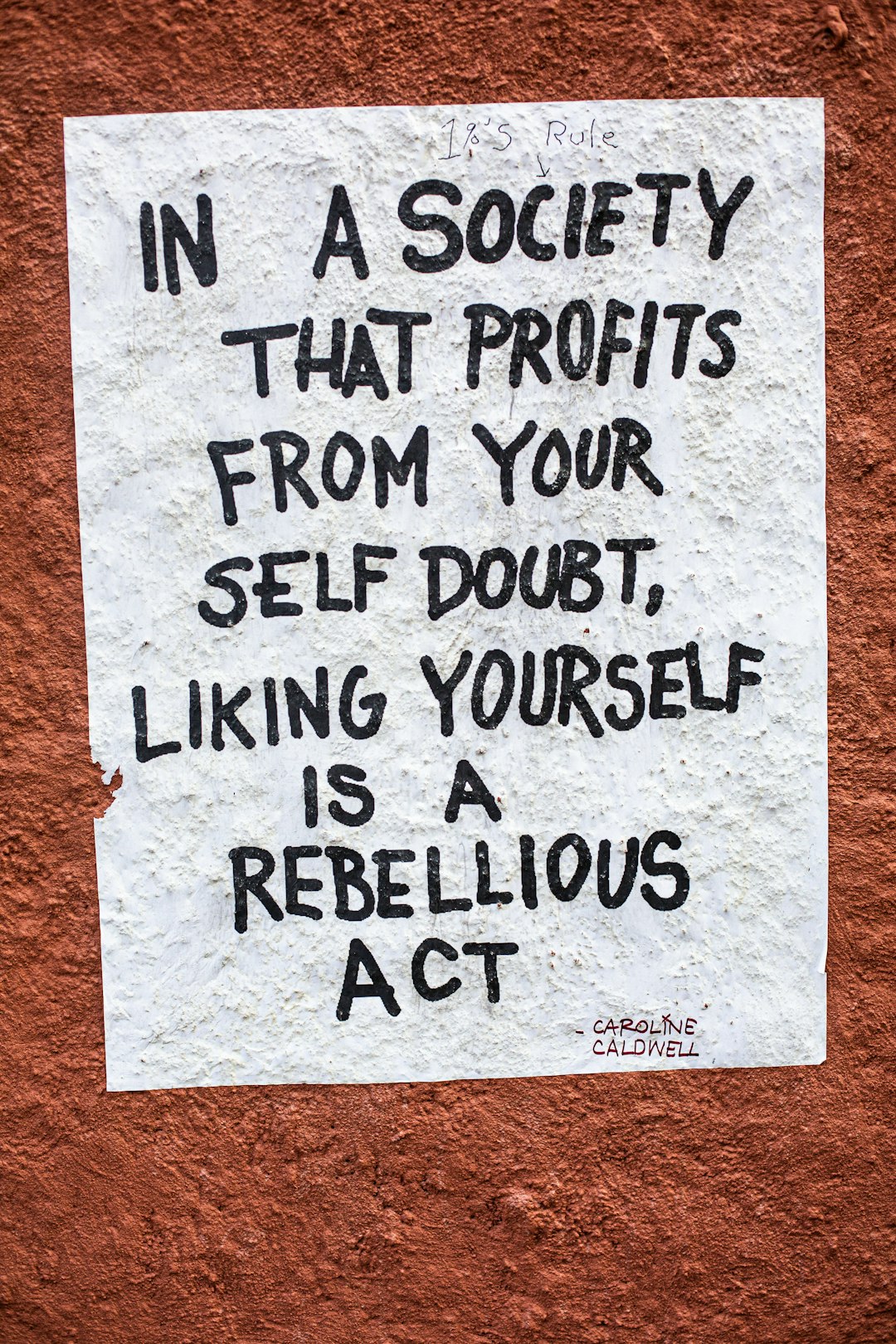
Many sales memes compare inspirational quotes with the messy reality of the job. A quote might say, “Every no brings a person closer to yes,” while the image shows a rep receiving twenty rejections before lunch. The contrast is funny because sales motivation can sometimes feel too polished for real life.
Still, the lesson behind these memes is powerful. Sales requires emotional resilience. Rejection is not an occasional event; it is part of the process. The best salespeople do not ignore rejection, but they also do not let it define them.
They analyze what happened, improve their message, and move forward. Humor helps with that. A good meme can turn frustration into perspective, reminding the team that everyone has difficult days.
What Sales Memes Reveal About Sales Culture
Sales memes are more than internet jokes. They reveal what salespeople care about, fear, celebrate, and complain about. They show the emotional side of a profession often measured only by numbers. Behind every quota, dashboard, and commission plan is a person trying to manage uncertainty.
They also reveal the importance of shared language. When a team laughs at the same meme, it confirms a shared experience. That shared experience can improve morale, especially in high-pressure environments.
However, memes can also point to problems that leaders should not ignore. If every joke is about unrealistic quotas, bad leads, poor tools, or endless meetings, the humor may be signaling deeper issues. Smart leaders pay attention to what the team jokes about because jokes often contain truth.
How Sales Teams Can Use Memes Positively
Sales memes can be useful when they are used thoughtfully. They can open conversations, lighten stressful moments, and make training more memorable. A manager might use a meme about poor follow-up to start a discussion on better email strategy. A trainer might use a discount meme to teach negotiation skills.
Memes should not be used to mock individuals or shame struggling reps. The best sales humor is relatable, not cruel. It points at common situations rather than personal failures.
Healthy ways to use sales memes include:
- Starting team meetings with a lighthearted moment.
- Adding humor to sales training presentations.
- Celebrating shared wins and common struggles.
- Encouraging reps to talk openly about challenges.
- Reducing stress during intense sales periods.
The Real Lesson: Laughter Helps Salespeople Keep Going
The funniest sales memes are popular because they make salespeople feel seen. They capture the strange emotional rhythm of the job: confidence, confusion, rejection, excitement, pressure, and victory. They make difficult moments easier to handle by turning them into something shareable.
At their best, sales memes teach practical lessons. They remind teams to follow up with value, qualify leads carefully, protect selling time, update the CRM, forecast honestly, and handle objections with curiosity. They also teach something deeper: sales is a human profession. It requires empathy, patience, humor, and persistence.
In the end, a meme will not close a deal. It will not write the perfect proposal or convince a silent prospect to reply. But it can help a salesperson laugh, reset, and try again. In a profession where persistence matters so much, that small moment of humor can be surprisingly valuable.
Some reps go a step further and use AI tools to create custom face-swap versions of classic sales reaction memes, putting their own (or their manager’s) face on the panicked character for a laugh that hits closer to home.
After the sentence: They often show people running, sweating, crying, praying, or staring at dashboards like their entire future depends on one signature.
FAQ
Why are sales memes so relatable?
Sales memes are relatable because they exaggerate situations that salespeople experience every day, such as ignored follow-ups, budget objections, CRM updates, and end-of-quarter pressure.
Can sales memes actually teach useful lessons?
Yes. Although they are designed to be funny, sales memes often highlight real problems and behaviors. They can teach lessons about follow-up strategy, qualification, time management, forecasting, and resilience.
Are sales memes good for team morale?
They can be very good for morale when used positively. Shared humor helps sales teams feel less alone during stressful periods and can create a stronger sense of connection.
Should sales managers use memes in training?
Sales managers can use memes effectively in training if the humor supports the lesson. A relevant meme can make a concept more memorable and encourage discussion.
What is the most common lesson behind sales memes?
The most common lesson is that sales requires persistence, but persistence works best when combined with strategy. Successful salespeople do not just keep trying; they learn, adapt, and improve with every interaction.