Emergencies are loud, fast, and messy. A storm hits. A fire spreads. A river rises. People need help right now. This is where deploying and activating resources becomes the big hero moment in emergency management.
TLDR: Emergency teams must know what they have, where it is, and how to send it fast. Resources can be people, vehicles, tools, shelters, food, water, radios, or information. Activation means saying, “Go now.” Deployment means getting the right help to the right place at the right time.
What Are “Resources” in Emergency Management?
A resource is anything that helps people during a crisis. It can be big. It can be small. It can be fancy. It can be simple.
A fire truck is a resource. So is a bottle of water. A rescue dog is a resource. So is a volunteer with a clipboard and a calm voice.
In emergency management, resources often fit into a few simple groups:
- People: firefighters, medics, police, public works crews, nurses, drivers, and volunteers.
- Equipment: trucks, boats, radios, generators, tents, lights, pumps, and chainsaws.
- Supplies: food, water, blankets, fuel, medicine, sandbags, and first aid kits.
- Facilities: shelters, hospitals, command centers, warehouses, and staging areas.
- Information: maps, weather reports, road updates, damage reports, and contact lists.
Think of it like a giant emergency toolbox. The trick is not just owning the tools. The trick is knowing which tool to grab, who should use it, and where it should go.
Activation Means “Wake Up the Team”
Activation is the moment resources are called into action. It is like sounding the bell. It may start with a phone call, radio message, alert app, or emergency operations center notice.
For example, a city may activate its emergency operations center during a flood. This brings key people together. They track the event. They make decisions. They send help.
Activation can be small or huge. A small activation may involve one ambulance. A large activation may involve hundreds of people, many agencies, and support from nearby towns or even the state.
The goal is simple. Get ready. Get moving. Get organized.

Deployment Means “Send It There”
Deployment comes after activation. It means moving resources to where they are needed. This may sound easy. It is not always easy.
Roads may be blocked. Power may be out. Phone service may fail. The weather may be rude. Very rude.
Good deployment answers five big questions:
- What is needed?
- Where is it needed?
- How fast is it needed?
- Who is in charge of it?
- How will it get there safely?
If a neighborhood is flooded, the answer may be boats, rescue crews, life jackets, and buses. If a wildfire is spreading, the answer may be engines, aircraft, water tenders, and evacuation teams. If a heat wave hits, the answer may be cooling centers, water stations, nurses, and rides for older adults.
Why Speed Is Important
In an emergency, time matters. A lot.
A fast response can save lives. It can also reduce damage. It can stop a small problem from becoming a giant problem with flashing lights.
But speed alone is not enough. Sending the wrong resource fast is like bringing a snow shovel to a house fire. It may show effort. It does not solve the problem.
Emergency managers aim for smart speed. That means fast action with good thinking. Move quickly. But do not panic. Check the facts. Then act.
The Magic Word: Coordination
No single group can handle every emergency alone. Fire departments need police. Police need public works. Hospitals need supply teams. Shelters need volunteers. Everyone needs clear information.
Coordination keeps the response from turning into chaos soup.
Here is a simple example. A storm knocks trees onto roads. Public works clears the trees. Police block unsafe streets. Firefighters answer rescue calls. Utility crews fix power lines. Emergency managers open shelters. Public information officers tell people what to do.
Each group has a role. Each role matters. When they work together, the whole response becomes stronger.
Staging Areas: The Parking Lot of Power
A staging area is a place where resources wait before being assigned. It might be a school parking lot, fairground, airport, or large field.
Staging areas are very useful. They keep teams organized. They stop too many vehicles from crowding the disaster zone. They also help leaders track what has arrived.
Picture a big lot full of ambulances, trucks, water pallets, generators, and crews drinking coffee. That is not random. That is controlled readiness. It is like a pit stop for emergency response.
Resource Typing: A Fancy Term Made Simple
Emergency teams use “resource typing” to describe what a resource can do. The name sounds boring. The idea is smart.
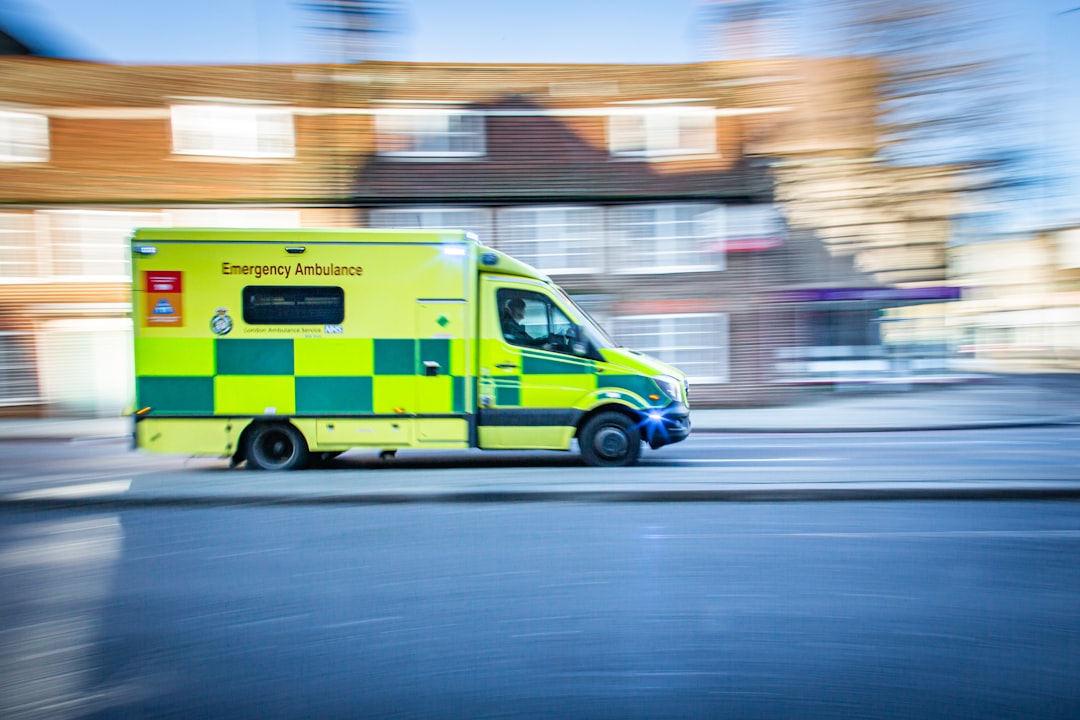
Not all resources are the same. A small generator and a giant generator are both generators. But they do different jobs. A basic ambulance and a critical care ambulance are both ambulances. But one has more advanced tools and staff.
Resource typing helps people ask for the right thing. Instead of saying, “Send a big truck thingy,” they can ask for a specific type of vehicle or team.
This saves time. It reduces confusion. It also makes mutual aid easier.
Mutual Aid: Neighbor Power
Mutual aid means help from nearby communities, agencies, or organizations. It is based on agreements made before disaster strikes.
Imagine one town has a huge fire. It needs more fire engines. Nearby towns send engines and crews. That is mutual aid.
Mutual aid works best when plans are already in place. People should know:
- Who can ask for help.
- Who can approve the help.
- What resources can be shared.
- How costs will be handled.
- How teams will communicate.
It is much better to solve these questions before the sky turns green and the wind starts throwing patio chairs.
Tracking Resources
Once resources are deployed, they must be tracked. This is very important. You need to know where people and equipment are.
Tracking helps leaders answer simple but vital questions:
- Which crews are working?
- Which crews need rest?
- Where are the trucks?
- How much fuel is left?
- Do shelters have enough food?
- Are more supplies needed?
Tracking can be done with software, maps, radios, forms, or whiteboards. Fancy tools are nice. But clear information is the real star.
Bad tracking can cause big trouble. A crew may be sent to the wrong place. Supplies may pile up in one area while another area has none. A tired team may work too long. That is dangerous.
Communication Keeps Everything Moving
Communication is the glue. Without it, the plan falls apart.
Teams need to share what they see. They need to say what they need. They need to report when tasks are done. They also need to ask for help before things get worse.
Good emergency communication is short and clear. No long speeches. No mystery words. No “maybe over by the thing near the stuff.” That helps no one.
A good message sounds like this:
“Need two rescue boats at Pine Street bridge. Flood water rising. Five people waiting on second floor. Access from north side only.”
That message is clear. It gives the need, place, problem, number of people, and route. Beautiful. Emergency poetry.
People Are Resources Too
Equipment gets a lot of attention. Big trucks are exciting. Helicopters are very exciting. But people are the heart of emergency response.
People make decisions. People carry supplies. People comfort families. People drive, lift, fix, guide, cook, clean, and listen.
But people also get tired. They get hungry. They get cold. They get stressed. That is why resource management must include rest, food, safety, and mental health support.
A burned-out responder cannot help well. A safe responder can.
Volunteers Can Be Amazing
Volunteers often bring huge value. They may help at shelters. They may deliver meals. They may sort donations. They may check on neighbors.
But volunteers must be managed well. A crowd of kind people with no direction can create confusion. A trained volunteer team can do wonders.
Good volunteer management includes:
- Registration: Know who is helping.
- Training: Give clear tasks and safety rules.
- Supervision: Match people to the right jobs.
- Support: Provide water, breaks, and updates.
Kindness is powerful. Organized kindness is even better.
Image not found in postmetaPlanning Before the Emergency
The best deployment starts long before the emergency. Planning is the quiet hero. It does not wear a cape. It probably has a binder.
Emergency managers build resource lists. They check equipment. They train staff. They write agreements. They run drills. They test communication systems.
They also ask “what if” questions.
- What if the main road closes?
- What if the power fails?
- What if the hospital is full?
- What if we need more buses?
- What if the emergency lasts for two weeks?
These questions may feel gloomy. But they help communities stay ready. Preparedness is not fear. It is a seatbelt.
Common Mistakes to Avoid
Resource deployment can go wrong. That is why practice matters.
Here are common mistakes:
- Sending too much too soon: This can clog roads and staging areas.
- Sending too little too late: This can put lives at risk.
- Poor communication: This causes delays and confusion.
- No tracking: This leads to lost equipment and tired crews.
- Ignoring local knowledge: Local people often know the roads, risks, and needs best.
- Forgetting recovery: Some resources are needed after the danger passes.
The goal is not perfection. Emergencies are too wild for that. The goal is to learn, adjust, and keep improving.
Demobilization: The Exit Plan
Deployment gets resources into action. Demobilization brings them back when the job is done.
This step is easy to forget. People want to celebrate. They want to sleep. Both are fair.
But resources must be checked, cleaned, repaired, and returned. Teams must sign out. Costs must be documented. Reports must be written. Lessons must be captured.
Demobilization keeps the system ready for the next emergency. Because, sadly, disasters do not retire.
The Big Picture
Deploying and activating resources is all about matching needs with help. It is part planning, part teamwork, part logistics, and part common sense.
When done well, it looks smooth. Help arrives. Roads get cleared. People find shelter. Supplies reach the right places. Responders stay safer. Communities recover faster.
When done poorly, things get noisy and confusing. The wrong supplies arrive. Teams duplicate work. People wait too long. Stress rises.
So emergency managers build systems. They make lists. They practice. They coordinate. They communicate. They prepare for the weird, the wet, the windy, and the wildly unexpected.
In the end, emergency management is not just about trucks, radios, and plans. It is about people helping people. Activation says, “We are ready.” Deployment says, “Help is on the way.” And that is a message every community wants to hear.