
When a professional SEO company reviews a website, it is not simply “checking keywords.” A modern SEO content audit is a structured investigation into how well your content attracts, satisfies, and converts the right audience. It looks at search visibility, user intent, content quality, technical signals, internal linking, and business value. In other words, it answers one essential question: is your content working as hard as it should?
TLDR: A professional SEO content audit reviews how your website content performs in search engines and whether it meets user needs. SEO companies examine rankings, keyword targeting, content quality, technical issues, duplicate pages, links, and conversion opportunities. The goal is to identify what to improve, merge, remove, or create so your site can earn more traffic and produce better business results.
Why SEO Content Audits Matter
Websites grow over time. Blog posts are added, service pages are updated, landing pages are tested, and old announcements are forgotten. Eventually, many sites become cluttered with outdated, thin, overlapping, or underperforming content. This can confuse users and search engines alike.
A content audit brings order to that chaos. It helps identify which pages are generating value, which pages need improvement, and which pages may be holding the site back. For businesses investing in organic traffic, this process is one of the most practical ways to improve SEO performance without blindly publishing more content.
More content is not always better. Better content, strategically organized, usually is.
1. Content Inventory and URL Mapping
The first thing professional SEO companies usually do is build a complete inventory of the website’s content. This includes blog posts, product pages, category pages, service pages, guides, resource pages, and sometimes even PDFs or indexed files.
They collect data for each URL, such as:
- Page title and meta description
- Target keyword or topic
- Word count and content type
- Organic traffic and rankings
- Backlinks and internal links
- Conversion actions or assisted conversions
- Indexing status and crawlability
This creates a clear map of the website. Without it, decisions are often based on assumptions. With it, an SEO team can see patterns, gaps, and opportunities more accurately.
2. Keyword Targeting and Search Intent
Professional SEO companies do not only ask, “Does this page have keywords?” They ask, “Does this page match what the searcher actually wants?”
This is where search intent becomes critical. For example, a person searching “best running shoes for flat feet” likely wants comparisons and recommendations. A person searching “buy men’s running shoes size 10” is closer to making a purchase. If a page targets the wrong intent, it may struggle to rank or convert, even if it is well written.
During an audit, SEO specialists review whether each important page targets the right keywords and whether the content format fits the query. They may classify intent as:
- Informational: The user wants to learn something.
- Commercial: The user is comparing options before buying.
- Transactional: The user is ready to take action.
- Navigational: The user is looking for a specific brand or page.
If the intent is mismatched, the recommendation may be to rewrite, restructure, or reposition the content.
3. Content Quality, Depth, and Usefulness
Search engines increasingly reward content that is helpful, trustworthy, and genuinely useful. Professional SEO companies review whether a page provides enough depth to satisfy the topic. They look for vague claims, outdated references, weak explanations, duplicated sections, and missing details.
Quality review often includes questions such as:
- Does the content answer the main question clearly?
- Is the information current and accurate?
- Does it provide examples, data, or practical guidance?
- Is it written for humans rather than only for search engines?
- Does the page demonstrate expertise or credibility?
This part of the audit is especially important for industries where trust matters, such as finance, health, law, software, real estate, and professional services. A thin article with generic advice may not be enough to compete against expert-level resources.
4. Duplicate, Thin, and Cannibalized Content
One of the most valuable discoveries in an SEO content audit is content cannibalization. This happens when multiple pages on the same site compete for the same or very similar keywords. Instead of strengthening the website, these pages can dilute ranking signals and confuse search engines about which page should rank.
For example, a site might have three blog posts titled “How to Choose Accounting Software,” “Best Accounting Software Tips,” and “Choosing the Right Accounting Tool.” If they cover nearly the same ideas, none of them may perform as well as one strong, consolidated guide.
SEO companies also identify thin content, which includes pages with very little substance, outdated announcements, low-value tag pages, or near-duplicate location pages. Recommendations may include updating, merging, redirecting, noindexing, or deleting these pages.
5. On Page SEO Elements
Even excellent content can underperform if the on page SEO fundamentals are weak. Professional audits review whether each page is properly optimized without being over-optimized.
Common elements include:
- Title tags: Are they compelling, unique, and keyword relevant?
- Meta descriptions: Do they encourage clicks from search results?
- Headings: Is the content organized with logical H1, H2, and H3 tags?
- Image alt text: Are images accessible and contextually described?
- URL structure: Are URLs clean, descriptive, and consistent?
- Schema markup: Can structured data improve visibility or rich results?
These details do not replace strong content, but they help search engines understand the page and help users decide whether to click.
6. Internal Linking and Site Architecture
Internal links are one of the most underused SEO tools. A content audit examines how pages connect to each other and whether important pages receive enough internal support.
Professional SEO companies look for orphan pages, which are pages with few or no internal links pointing to them. They also review anchor text, navigation paths, topic clusters, and whether related pages are grouped logically. A strong internal linking structure helps users discover useful information and helps search engines understand which pages are most important.
For example, a website with several articles about email marketing should link those articles to a central email marketing service page or guide. This creates topical relevance and improves the chances that key commercial pages will rank.
7. Performance Metrics and Business Value
An SEO content audit is not just about traffic. Professional companies also review whether content supports business goals. A blog post may receive thousands of visits, but if it attracts the wrong audience or never leads to conversions, its value may be limited.
Auditors often examine metrics such as:
- Organic sessions and impressions
- Click through rate from search results
- Average ranking position
- Engagement time or bounce behavior
- Leads, purchases, signups, or calls
- Assisted conversions across the customer journey
This data helps divide content into categories: keep, improve, consolidate, redirect, or remove. The best audits turn messy analytics into a prioritized action plan.
8. Freshness and Content Decay
Content that once ranked well can gradually decline. This is known as content decay. It often happens when competitors publish better resources, search intent changes, statistics become outdated, or the page is no longer maintained.
SEO companies review historical performance to spot pages that used to bring traffic but have lost visibility. These pages can be excellent opportunities because they already have some authority. Updating them with new information, improved formatting, stronger examples, and better internal links can often produce faster results than creating brand-new content.
9. Technical Issues Affecting Content
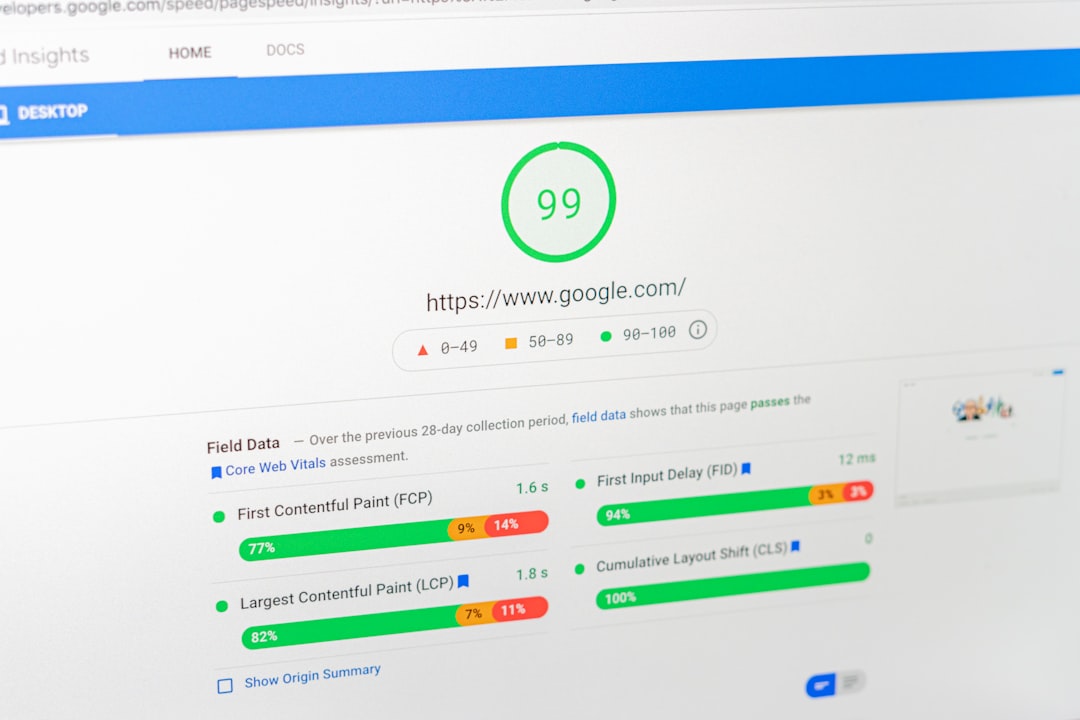
Although a content audit focuses on content, technical SEO still matters. Professional SEO companies check whether content can be crawled, indexed, and loaded efficiently. Problems such as broken links, redirect chains, canonical tag errors, slow page speed, poor mobile usability, and blocked resources can reduce performance.
They may also review whether important pages are accidentally marked with noindex, whether duplicate versions of URLs exist, and whether pagination or faceted navigation is creating index bloat. These technical details can prevent even high-quality content from reaching its potential.
10. Content Gaps and New Opportunities
Finally, an audit identifies what is missing. SEO companies compare your site against competitors, keyword research, customer questions, and the buyer journey. The goal is to find topics your audience cares about but your website does not yet cover effectively.
These gaps may include beginner guides, comparison pages, case studies, FAQs, industry definitions, product use cases, or location-specific pages. Instead of publishing random blog posts, the audit helps create a focused content roadmap based on real demand.
What You Should Expect From the Final Audit
A professional SEO content audit should not end with a spreadsheet full of numbers and no direction. It should provide clear recommendations, priorities, and expected impact. The best reports explain what to update first, which pages to merge, which new content to create, and how changes support broader SEO and business goals.
In short, a content audit is both a cleanup and a growth strategy. It removes what is weak, strengthens what has potential, and reveals what should be built next. For any business serious about organic search, it is one of the most useful steps toward creating a website that is easier to find, easier to use, and more likely to convert visitors into customers.