
For many teams, Moz remains a familiar starting point for SEO research, rank tracking, and site audits. However, the SEO software market in 2026 is broader, more specialized, and more competitive than ever. Whether you need deeper backlink data, stronger technical crawling, better content workflows, or more scalable reporting, there are several credible Moz alternatives worth evaluating.
TLDR: The best Moz alternative depends on your main SEO priority. Ahrefs is excellent for backlinks and competitive research, Semrush is the strongest all-in-one marketing suite, and Screaming Frog remains essential for technical SEO audits. For content-led teams, tools like Surfer SEO and Clearscope can complement or replace parts of a traditional SEO platform.
Why Consider an Alternative to Moz?
Moz offers a clean interface, respected metrics such as Domain Authority, keyword tools, and backlink analysis. It is still useful for small businesses, consultants, and teams that want a straightforward SEO platform. Yet some users outgrow it when they need larger keyword databases, faster backlink discovery, deeper site crawling, or more advanced competitor intelligence.
In 2026, SEO is no longer just about rankings. Teams must also evaluate search intent, entity coverage, AI-generated search answers, technical performance, international visibility, and conversion quality. This has pushed many businesses to compare Moz with broader or more specialized platforms.
1. Ahrefs: Best for Backlinks and Competitive Research
Ahrefs is one of the most widely trusted Moz alternatives, particularly for backlink analysis and competitor research. Its link index is extensive, updated frequently, and supported by useful filters that help SEOs identify referring domains, broken links, anchor text patterns, and link growth trends.
Ahrefs is also strong for keyword research. Its Keywords Explorer provides useful click data, parent topics, SERP analysis, and difficulty estimates. The Content Explorer feature is valuable for finding successful content in a niche and studying what has attracted links over time.
Best for: agencies, affiliate marketers, SaaS companies, and SEO teams focused on link building and competitor intelligence.
- Strengths: backlink analysis, keyword research, competitive gap analysis, content discovery.
- Limitations: pricing can be high for smaller teams, and rank tracking limits may require careful plan selection.
- Compared with Moz: Ahrefs generally offers stronger backlink data and more advanced competitor analysis.
2. Semrush: Best All-in-One SEO and Marketing Suite
Semrush is a powerful alternative for organizations that want SEO, PPC, content marketing, social media insights, and competitive research in one platform. It goes beyond traditional SEO by helping teams understand paid search competitors, display ads, content gaps, and market positioning.
For SEO, Semrush offers keyword research, rank tracking, site audits, backlink analysis, on-page recommendations, and competitor visibility reports. Its Position Tracking tool is especially useful for monitoring local and device-specific rankings. The platform also integrates well into agency reporting workflows.
Best for: digital agencies, in-house marketing teams, ecommerce brands, and businesses managing both SEO and paid campaigns.
- Strengths: broad feature set, competitor research, reporting, PPC data, local rank tracking.
- Limitations: the interface can feel complex, and some advanced features are locked behind higher-tier plans.
- Compared with Moz: Semrush is more comprehensive, especially for teams that need marketing intelligence beyond organic search.
3. Screaming Frog SEO Spider: Best for Technical SEO Audits
Screaming Frog SEO Spider is not a direct all-in-one Moz replacement, but it is one of the most important tools for technical SEO. It crawls websites and identifies issues such as broken links, duplicate titles, missing metadata, redirect chains, canonical problems, thin pages, and indexability errors.
Technical SEOs often pair Screaming Frog with tools like Ahrefs, Semrush, or Google Search Console. Its strength is precision. Instead of giving a broad overview, it allows you to inspect your site in detail and export actionable data for developers, content teams, and stakeholders.
Best for: technical SEOs, consultants, enterprise sites, ecommerce websites, and migration projects.
- Strengths: detailed crawling, custom extraction, JavaScript rendering, log file analysis, flexible exports.
- Limitations: less beginner-friendly and not designed for keyword or backlink research.
- Compared with Moz: Screaming Frog is far stronger for technical audits but lacks Moz’s broader SEO research suite.
4. SE Ranking: Best Value for Small and Mid-Sized Teams
SE Ranking has become a popular Moz alternative for businesses that want a capable SEO platform at a more accessible price point. It includes keyword rank tracking, website audits, backlink monitoring, competitor research, keyword suggestions, and white-label reporting.
The platform is especially appealing to small agencies and growing businesses because it balances functionality with cost control. Its rank tracking is flexible, and the reporting tools are polished enough for client-facing work. While it may not match Ahrefs or Semrush in every database category, it delivers strong practical value.
Best for: small agencies, freelancers, local businesses, and budget-conscious marketing teams.
- Strengths: affordability, rank tracking, reporting, usability, local SEO support.
- Limitations: data depth may vary by market, especially in smaller countries or niche industries.
- Compared with Moz: SE Ranking can offer more flexible pricing and strong day-to-day SEO management features.
5. Majestic: Best for Link Intelligence
Majestic is a specialized backlink tool known for its link intelligence metrics, including Trust Flow and Citation Flow. It is not the broadest SEO platform, but it remains respected among professionals who need to evaluate link quality, link neighborhoods, and historical backlink patterns.
Majestic is particularly useful for due diligence, expired domain analysis, link building evaluation, and risk assessment. If your SEO strategy depends heavily on understanding backlink authority and trust signals, it can be a valuable alternative or companion to Moz.
Best for: link builders, domain investors, agencies, and advanced SEO analysts.
- Strengths: link quality metrics, historical backlink data, topical trust analysis.
- Limitations: less comprehensive for keyword research, content planning, and technical auditing.
- Compared with Moz: Majestic is more specialized and link-focused, while Moz is more general-purpose.
6. Surfer SEO: Best for Content Optimization
Surfer SEO focuses on content planning and on-page optimization. It analyzes top-ranking pages and provides guidance on structure, terms, headings, content length, and topical coverage. For teams publishing large volumes of SEO content, this can make editorial workflows more consistent.
Surfer is not a replacement for backlink analysis or full technical auditing, but it can replace some of Moz’s on-page research functions. It is most effective when used with a broader SEO strategy rather than followed mechanically. Human editorial judgment remains essential, especially as search engines become better at identifying generic or over-optimized content.
Best for: content teams, bloggers, agencies, and companies scaling editorial production.
- Strengths: content briefs, on-page optimization, SERP-based recommendations, editorial workflows.
- Limitations: not a complete SEO suite and can encourage formulaic writing if misused.
- Compared with Moz: Surfer is stronger for content optimization but weaker for broad SEO research.
7. Google Search Console: Best Free SEO Data Source
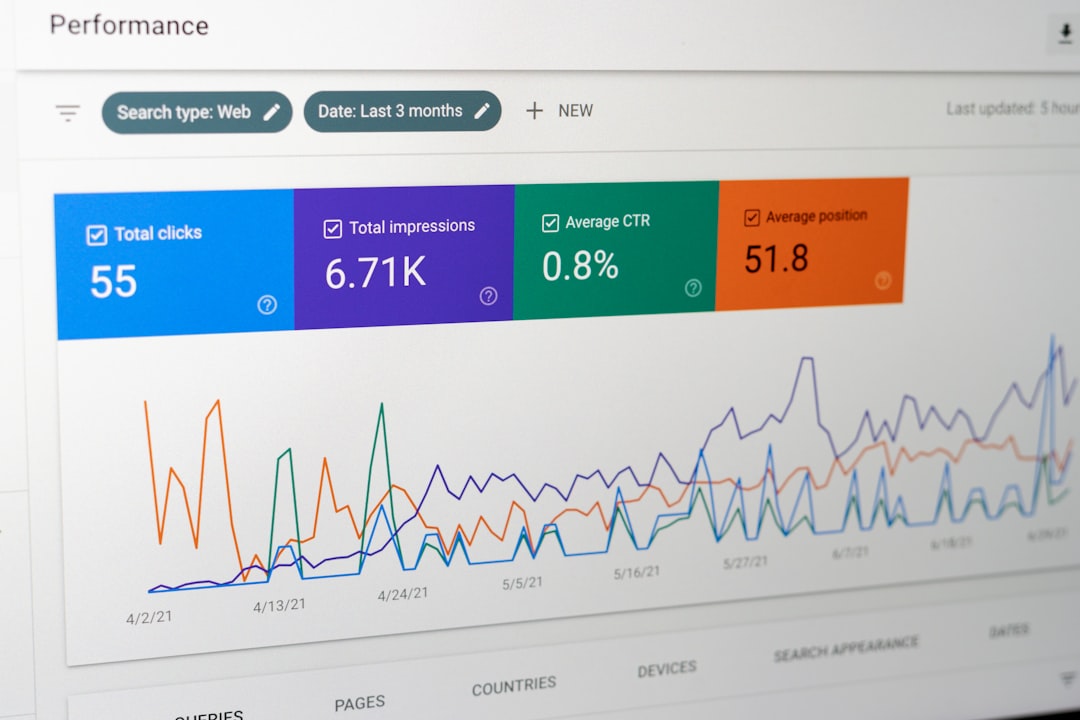
Google Search Console is not a commercial Moz competitor, but it should be part of every SEO toolkit. It provides direct data from Google on impressions, clicks, average position, indexing, Core Web Vitals, sitemaps, and manual actions.
Its main advantage is accuracy for your own site. Unlike third-party tools, it does not estimate your search performance. Its limitation is that it provides little competitor data and limited historical flexibility. Still, for diagnosis and performance validation, it is indispensable.
- Strengths: free access, direct Google data, indexing reports, search performance insights.
- Limitations: limited competitor research and restricted reporting flexibility.
- Compared with Moz: Search Console is more accurate for your own site, but far less useful for competitive analysis.
How to Choose the Right Moz Alternative
The best choice depends on how your team actually works. If backlinks and competitor research are central, Ahrefs is often the strongest option. If you need a broad marketing platform with SEO, PPC, and reporting, Semrush is the safer all-in-one choice. If your main challenge is technical site health, Screaming Frog is difficult to replace.
For smaller teams, SE Ranking offers a practical balance of features and price. For link specialists, Majestic remains valuable. For content-focused teams, Surfer SEO can improve production quality when used responsibly. Regardless of your paid platform, Google Search Console should remain a core source of truth.
Final Verdict
Moz is still a credible SEO tool, but it is no longer the default best fit for every organization. The market in 2026 rewards specialization, data depth, and workflow efficiency. A serious SEO team should choose tools based on measurable needs: technical auditing, keyword discovery, backlink analysis, content optimization, reporting, and budget.
For most businesses, the strongest Moz alternatives are Ahrefs for SEO research, Semrush for all-in-one marketing intelligence, and Screaming Frog for technical audits. The right decision is not simply about which platform has the most features, but which one helps your team make better SEO decisions faster and with greater confidence.