Choose Mailchimp if your nonprofit needs donor segments, event emails, CRM links, and lots of templates. Choose beehiiv if your main goal is to grow a story-first newsletter with less fuss.
TLDR: Mailchimp is better for classic nonprofit campaigns, like donation drives, volunteer reminders, and gala invites. beehiiv is better for growing a loyal reader base around your mission. For example, a food pantry with 4,000 contacts might use Mailchimp to segment donors and send a year-end appeal that gets a 28% open rate and 3.5% click rate. A small climate nonprofit with 900 readers might use beehiiv referrals to grow to 1,300 readers in three months.
Mailchimp vs beehiiv: The quick vibe check
Mailchimp feels like a full marketing toolbox. It has email templates, audience tags, automations, forms, landing pages, surveys, and many integrations. It can feel a bit packed. Sometimes too packed. Honestly, it feels like trying to find a stapler in a supply closet after someone “organized” it.
beehiiv feels more like a clean writing room. You write. You publish. You grow. It is built for newsletters first. That makes it simple and pleasant. It is not trying to be everything.
For many nonprofits, the best choice depends on one big question:
- Do you run campaigns? Pick Mailchimp.
- Do you publish stories and want audience growth? Pick beehiiv.

When Mailchimp makes more sense
Mailchimp is strong when your nonprofit sends different messages to different people.
That matters. A $25 donor should not always get the same email as a $5,000 donor. A volunteer should not get every donor appeal. A board member does not need the beginner welcome email. Please spare them.
Mailchimp lets you build segments and tags. You can group people by donor status, location, event attendance, interest, or past clicks. This is useful for:
- Year-end fundraising emails
- Giving Tuesday campaigns
- Volunteer signups
- Event invites
- Membership renewals
- Monthly donor welcome series
Mailchimp also connects with many tools. Think donation platforms, CRMs, website forms, and event software. If your nonprofit already has a stack of tools, that matters.
The editor is friendly enough. You can drag in images, buttons, text blocks, and dividers. You can make a nice email without needing a designer. The templates help when your team is small and everyone is already doing six jobs.
Where Mailchimp gets annoying
Mailchimp can feel heavy. There are menus inside menus. Settings hide in odd places. Expect to waste time on tiny things, like finding where to edit an audience field or why an automation did not trigger.
The pricing can also creep up as your list grows. Nonprofits may qualify for a discount, often around 15%, but you still need to check current terms. Plans and limits change. That part is not fun. Nobody starts a nonprofit because they love billing pages.
Mailchimp is also not the cleanest writing experience. If your newsletter is mostly essays, updates, and mission stories, it can feel like using a food processor to butter toast.
When beehiiv makes more sense
beehiiv is great for nonprofits that treat the newsletter as a publication.
Maybe you send weekly animal rescue stories. Maybe you publish local housing updates. Maybe your founder writes sharp notes on education reform. beehiiv is made for that style.
The writing screen is simple. The emails look clean. The web version of each post is built in. That means your newsletter can also act like a mini blog. Nice.
beehiiv is also strong on growth tools. Depending on your plan, you can use referral features, signup forms, recommendation tools, and audience analytics. These can help a nonprofit grow beyond its current donor list.
For example, say a youth arts nonprofit has 1,200 subscribers. It starts a referral program. Readers who invite three friends get early access to student performances. After eight weeks, the list grows to 1,560 subscribers. That is a 30% increase. No magic. Just a clear ask and a good reason to share.

Where beehiiv falls short
beehiiv is not as deep as Mailchimp for nonprofit campaign work.
If you need complex donor journeys, deep CRM syncs, or many custom segments, Mailchimp usually wins. beehiiv has segmentation and automation features, but Mailchimp has been serving marketers for much longer.
That shows in the small details. Mailchimp has more ready-made options for classic campaigns. beehiiv is cleaner, but it may ask you to work around missing pieces.
For example, if you need to send a gala invite only to donors in Chicago who gave over $250 last year and clicked on past event emails, Mailchimp is the safer pick. beehiiv can handle some targeting. Mailchimp is better built for that type of list surgery.
Which one is better for fundraising?
Mailchimp is usually better for direct fundraising.
Why? Fundraising needs timing, segments, testing, and follow-ups. You may send one email to lapsed donors, another to first-time donors, and another to monthly supporters. You may test two subject lines. You may resend to people who did not open. Mailchimp handles this well.
A simple fundraising flow might look like this:
- Send a story about one person helped.
- Wait two days.
- Send a donor appeal with a clear button.
- Wait three days.
- Send a reminder to people who clicked but did not give.
- Send a thank-you email to donors.
Mailchimp is better for that kind of setup.
beehiiv can still support fundraising. You can tell strong stories and link to your donation page. For smaller teams, that may be enough. But if donations are the main goal, Mailchimp has the edge.
Which one is better for storytelling?
beehiiv wins for storytelling.
It makes newsletters feel like a real publication. Your posts are easy to read. The archive looks clean. The signup process is smooth. Readers can share posts with friends.
This is great for nonprofits with strong voices. Think advocacy groups, research centers, community media projects, churches, scout groups, museums, and local charities.
Use beehiiv if your main email sounds like this:
- “Here is what happened this week.”
- “Meet the family your support helped.”
- “Three policy changes to watch.”
- “A note from our director.”
That style feels natural in beehiiv.
Design and templates
Mailchimp has more templates. If you want colorful campaign designs, big buttons, columns, banners, and polished layouts, it is the better choice.
beehiiv is more minimal. That is not bad. In fact, plain emails often perform better because they feel personal. But if your team wants fancy event invites, Mailchimp gives you more design control.
Image not found in postmetaAnalytics: What can you track?
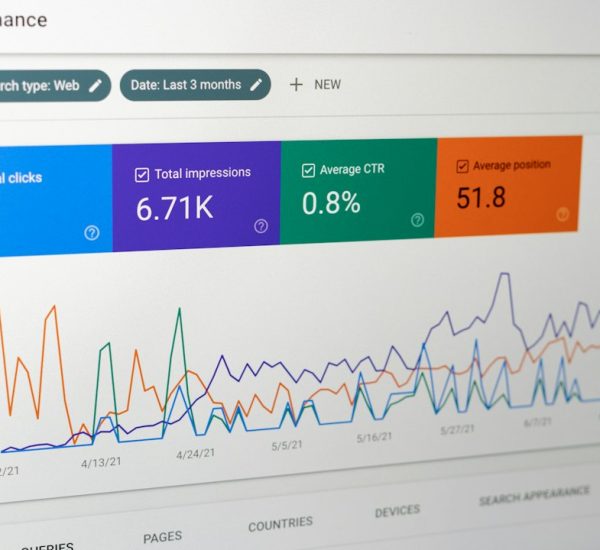
Both tools show key numbers, such as opens, clicks, and subscriber growth.
Mailchimp is better for campaign reports. You can compare emails, track clicks, view audience activity, and study campaign performance. This helps when reporting to a board.
beehiiv is better for newsletter growth analytics. You can see where subscribers came from, which posts performed well, and how your list grows over time.
For a nonprofit board report, Mailchimp might help you say: “Our spring appeal reached 6,200 contacts, had a 31% open rate, and brought 186 donation page clicks.”
For a publication-style nonprofit, beehiiv might help you say: “Our housing update gained 240 new readers, with 38% coming from referrals.”
Final pick
Pick Mailchimp if your nonprofit needs fundraising campaigns, donor groups, event invites, and lots of integrations.
Pick beehiiv if your nonprofit wants a clean newsletter, strong writing tools, easy publishing, and better reader growth features.
If you are still stuck, use this simple rule: Mailchimp is for campaign managers. beehiiv is for mission storytellers. Both can work. The better choice is the one your team will actually use every week without groaning.