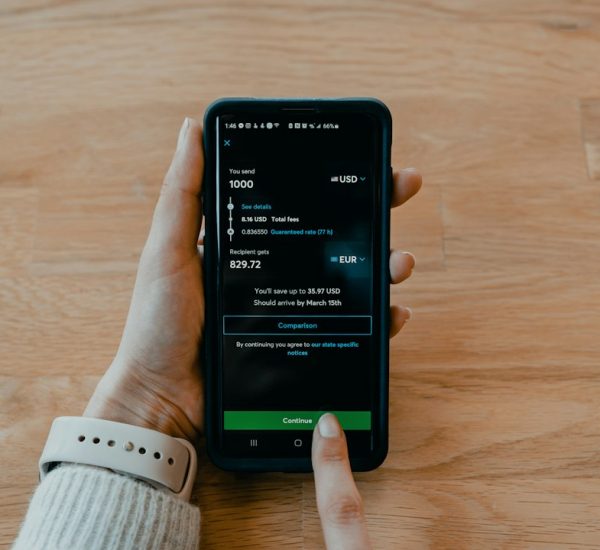
Selling across borders can feel like sending a tiny spaceship to another planet. Your product leaves home. It crosses oceans, laws, tax rules, and customs offices. Then, if all goes well, it lands on a happy customer’s doorstep. The good news? Cross-border ecommerce shipping is not magic. It is a checklist.
TLDR: Cross-border shipping means sending products from one country to another, and it comes with extra rules. You need the right documents, clear product details, correct taxes and duties, and a reliable shipping partner. Customs wants to know what you are sending, where it is going, and what it is worth. Get those things right, and your package has a much smoother trip.
What Is Cross-Border Ecommerce Shipping?
Cross-border ecommerce shipping is the process of selling online to customers in other countries and delivering orders to them. Simple idea. Extra paperwork.
When you ship inside your own country, the package usually moves through local carriers and standard rules. When you ship internationally, your order must pass through customs. Customs is the government checkpoint for goods entering a country.
Think of customs like a very serious bouncer at a club. It checks the guest list. It checks the value. It checks if the item is allowed inside. If anything looks odd, the package may be delayed.

The Big Four Requirements
Most cross-border shipping requirements fall into four buckets. Keep these in mind, and you will avoid many headaches.
- Product details: What is inside the package?
- Customs documents: What forms must travel with it?
- Taxes and duties: Who pays the extra fees?
- Shipping rules: Is the item allowed in that country?
That is the core game. Now let’s unpack it.
1. Product Descriptions Must Be Clear
Customs does not like mystery. Do not write vague descriptions like gift, sample, or accessory. That sounds suspicious.
Use simple and specific words. For example:
- Instead of clothing, write men’s cotton t shirt.
- Instead of part, write stainless steel bicycle brake lever.
- Instead of beauty item, write vegan lip balm.
Clear descriptions help customs classify the product. That helps calculate duties and taxes. It also lowers the chance of delays.
2. You Need HS Codes
An HS code is a number used to classify products in global trade. HS stands for Harmonized System. Fancy name. Very practical job.
Every product type has a code. Shoes have codes. Coffee mugs have codes. Dog toys have codes. Customs uses these codes to decide what duties apply.
Your shipping platform or carrier may help you find HS codes. You can also check official government trade websites. Be careful. The wrong code can lead to wrong fees or customs delays.
3. Customs Forms Are Not Optional
International packages usually need a customs declaration. This form tells customs what is inside the box.
It often includes:
- Sender name and address
- Customer name and address
- Product description
- Product quantity
- Product value
- Country of origin
- HS code
- Package weight
For many ecommerce shipments, the key form is a commercial invoice. This is not just a normal receipt. It is an official document used by customs to review the shipment.
Tip: Make sure the value you list is accurate. Do not mark a sale as a gift to avoid fees. That can cause penalties, delays, or seized packages. Nobody wants their candle order to become an international incident.
4. Duties and Taxes Must Be Planned
This is where customers can get grumpy. Duties and taxes are extra charges set by the destination country. They may include import duties, VAT, GST, or other fees.
There are two common ways to handle them:
- DDU or DAP: The customer pays duties and taxes when the package arrives.
- DDP: The seller collects and pays duties and taxes upfront.
DDP means Delivered Duty Paid. It gives the customer a smoother experience. No surprise bill at the door. No awkward “pay this fee or no package” moment.
DAP means Delivered at Place. The customer pays import fees later. This can be cheaper for the seller, but it may surprise buyers. Surprised buyers often write support emails in all caps.
Be clear at checkout. Tell shoppers who pays what. This builds trust.
5. Check Restricted and Prohibited Items
Every country has its own “nope” list. Some products are restricted. Some are totally banned.
Common tricky items include:
- Alcohol
- Perfume
- Batteries
- Food
- Plants and seeds
- Cosmetics
- Medical products
- Weapons or weapon parts
A product that is fine in one country may be blocked in another. Even harmless items can have special rules. For example, wooden products may need pest treatment proof. Skincare may need ingredient details.
Before selling to a new country, check local import rules. Your carrier may also have restrictions. Do not assume every product can go everywhere.
6. Packaging Matters More Than You Think
International shipping can be rough. Your parcel may meet planes, trucks, belts, bins, rain, heat, and tired humans. Pack like your box is going on an adventure.
Use strong boxes. Add padding. Seal well. Protect fragile items. Put labels on flat, visible surfaces.
Also watch package size and weight. Shipping cost often depends on dimensional weight. That means a large, light box can cost more than a small, heavy one. Air inside a box can be expensive. Very rude, but true.
7. Labels Must Be Accurate
A shipping label is the package’s passport. It must be readable and correct.
Double-check:
- Customer name
- Street address
- Postal code
- City and region
- Country
- Phone number
- Email address
Many countries require a phone number for delivery. Some carriers also send customs fee notices by email or text. Missing contact details can slow things down.
8. Choose the Right Carrier
Not all carriers are equal for every route. Some are great for fast delivery. Some are better for low-cost shipping. Some have stronger customs support.
Compare carriers based on:
- Delivery speed
- Tracking quality
- Customs support
- Insurance options
- Return services
- Total landed cost
The cheapest option is not always the best. If tracking is poor, customers may worry. If customs handling is weak, packages may stall. A slightly higher shipping cost can save your support team from chaos.
9. Tell Customers What to Expect
Clear communication is a superpower. International buyers want to know three things:
- How much shipping costs
- How long delivery takes
- Whether duties and taxes are included
Put this information on product pages, checkout pages, and confirmation emails. Add tracking links. Explain delays during holidays or customs reviews.
Use friendly language. For example: “Your order may pass through customs. This can add a few extra days.” That is simple. That is honest.
10. Have a Returns Plan
Cross-border returns can be expensive. They can also be confusing. Decide your policy before your first international sale.
Ask yourself:
- Who pays return shipping?
- Will you provide return labels?
- Can items be returned to a local hub?
- Are duties and taxes refundable?
- Are some items final sale?
Make your return policy easy to find. A clear policy can reduce disputes and protect your profit.
Quick Checklist Before You Ship
- Write a clear product description.
- Add the correct HS code.
- List the real product value.
- Confirm the country of origin.
- Prepare the commercial invoice.
- Check restricted item rules.
- Decide who pays duties and taxes.
- Use strong packaging.
- Check the address twice.
- Send tracking to the customer.
Final Thoughts
Cross-border ecommerce shipping has more steps than local shipping. But it is very manageable. Treat each package like it needs a passport, a story, and a clear price tag.
Be accurate. Be transparent. Be kind to your future self by using good systems. When your documents are clean and your customer knows what to expect, international shipping becomes much less scary.
Then your products can travel the world. Tiny box. Big journey. Happy customer.