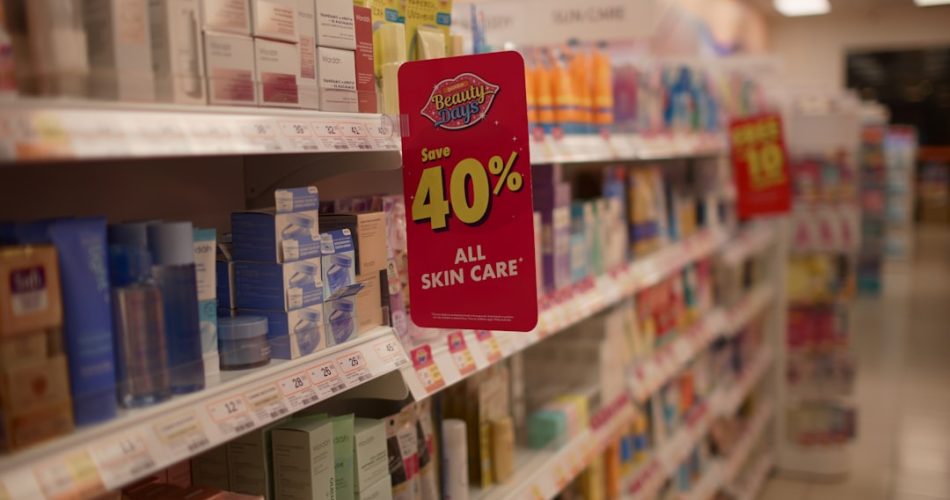
Walk into a liquidation store and you might find a designer jacket, a new air fryer, a pallet of phone accessories, or a shelf full of toys that look like they came straight from a major retailer. Prices are often surprisingly low, inventory changes constantly, and the shopping experience can feel part treasure hunt, part discount warehouse.
TLDR: A liquidation store sells discounted goods that retailers, manufacturers, or distributors need to move quickly. Products may come from customer returns, overstock, shelf pulls, closeouts, damaged packaging, or store closures. Liquidation retailers buy these goods in bulk at reduced prices, then resell them to shoppers, resellers, or small businesses at a profit.
What Is a Liquidation Store?
A liquidation store is a retail business that sells merchandise acquired through liquidation channels. In simple terms, it buys products that another company no longer wants to keep in its regular inventory and resells them at a discount.
These stores can look very different from one another. Some are organized like traditional discount shops, with neatly arranged aisles and price tags. Others operate as bin stores, where items are placed in large bins and prices drop each day of the week. Some focus on furniture, appliances, apparel, electronics, tools, or home goods, while others sell a little bit of everything.
The main appeal is value. Shoppers visit liquidation stores because they can often find brand-name items for far less than original retail price. The trade-off is that selection is unpredictable. A product available today may be gone tomorrow, and there is no guarantee it will ever return.

How Liquidation Retail Works
Liquidation retail starts when a company needs to clear inventory. This might happen because products are seasonal, returned, discontinued, slightly damaged, or simply taking up too much warehouse space. Instead of storing the goods or selling each item individually, the company sells large lots to liquidators, wholesalers, or directly to discount retailers.
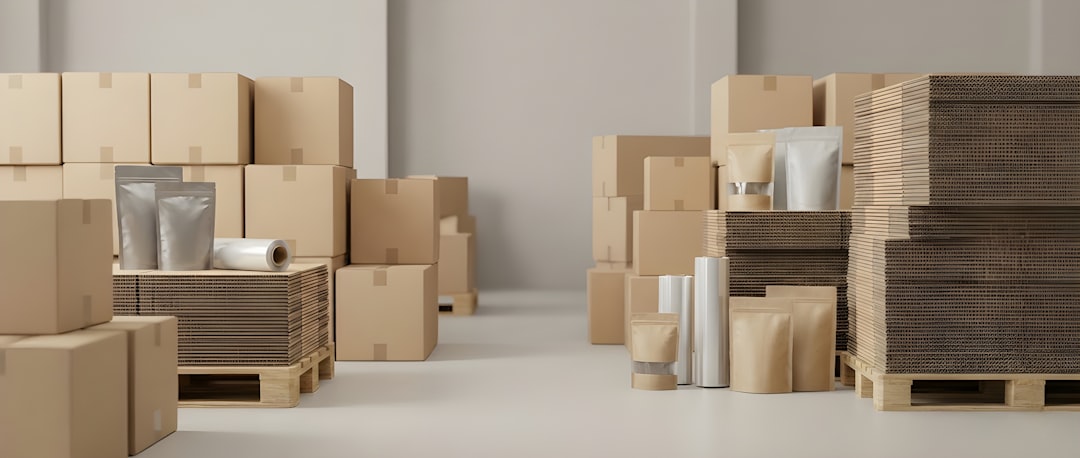
Liquidation store owners usually buy merchandise in bulk. That may mean a single pallet, a truckload, or multiple containers of goods. Because the buyer is taking on risk, the merchandise is priced well below its original wholesale or retail value.
Once the products arrive, the liquidation retailer sorts, tests, prices, and displays them. In some cases, especially with customer returns, staff may inspect items to determine whether they are new, open box, used, damaged, or incomplete. The store then resells the products at a markup while still offering customers a steep discount.
This model works because each party solves a problem. The original retailer frees up space and recovers some money. The liquidation store gets inventory at a low cost. Shoppers gain access to discounted products. It is a practical system built around moving goods efficiently.
Where Do Liquidation Store Products Come From?
Liquidation merchandise can come from many sources. Understanding these sources helps explain why products vary so much in quality, condition, and price.
- Customer returns: Items returned to major retailers may be new, lightly used, missing packaging, or defective. Many large retailers do not put every returned item back on the shelf, especially if inspection and repackaging would cost too much.
- Overstock inventory: Retailers sometimes order more products than they can sell. Overstock items are often new and unopened, but they need to be cleared to make room for newer inventory.
- Shelf pulls: These are products removed from store shelves for reasons such as packaging changes, seasonal resets, discontinued styles, or minor cosmetic issues.
- Closeout merchandise: Manufacturers or retailers may sell closeouts when a product line is ending, a style is being replaced, or a supplier relationship has changed.
- Store closures: When a store shuts down, its remaining inventory, fixtures, and sometimes even equipment may be liquidated.
- Damaged packaging goods: Products with dented boxes, torn labels, or scuffed packaging may be perfectly functional but difficult to sell at full price.
Why Are Prices So Low?
Liquidation pricing is based on speed, volume, and uncertainty. Retailers and manufacturers often prefer to sell large lots quickly rather than spend time handling individual items. That gives liquidation buyers room to negotiate.
However, low prices also reflect risk. A pallet may contain high-value products, but it can also include broken items, missing parts, outdated goods, or products that are harder to resell. Liquidation stores must price merchandise in a way that covers losses while still attracting bargain hunters.
This is why you might see a brand-new small appliance for half price next to an item marked “as is.” The store is balancing quality, demand, condition, and the cost of acquiring the goods.
Common Types of Liquidation Stores
Not all liquidation retailers use the same format. Some of the most common models include:
- Bin stores: Products are placed in bins, and every item may share the same price on a given day. Prices often drop daily until new inventory arrives.
- Pallet stores: These stores sell entire pallets or large lots, often to resellers, flea market vendors, or online sellers.
- Discount retail stores: These operate more like standard retail shops, with individually priced items sorted by category.
- Specialty liquidation stores: Some focus on specific categories such as furniture, tools, electronics, clothing, or appliances.
Each model attracts a different customer. Casual shoppers may prefer organized discount stores, while resellers often look for pallets or bulk lots with higher profit potential.
Are Liquidation Products New or Used?
The answer is: both. Liquidation merchandise can range from factory-sealed and brand new to used, damaged, or incomplete. That is why condition labels matter.
A product described as new should be unused and complete. Open box usually means the packaging has been opened, but the item may still be unused. Customer return can mean almost anything, from perfect condition to nonfunctional. Salvage or as is often indicates a higher level of risk.
Good liquidation stores are transparent about condition. They may offer testing stations, limited return windows, or clear signage. Others may sell everything final sale, so shoppers should inspect items carefully before buying.
Tips for Shopping at a Liquidation Store
Liquidation shopping can be rewarding, but it helps to have a strategy. Here are a few practical tips:
- Check the item carefully. Look for missing pieces, cracks, dents, stains, or signs of use.
- Understand the return policy. Many liquidation purchases are final sale.
- Compare prices online. A discount is only a deal if the price is truly lower than current market value.
- Visit often. Inventory changes quickly, and the best finds usually sell fast.
- Be flexible. Liquidation stores are best for discovery, not for finding one exact model or color.

Why Liquidation Stores Are Growing in Popularity
Liquidation stores have become more visible because modern retail produces a huge amount of excess inventory and returns. Online shopping has increased return rates, especially for clothing, electronics, and home goods. At the same time, consumers are more price-conscious and open to alternative shopping formats.
There is also a sustainability angle. When usable products are resold instead of discarded, they stay in circulation longer. Liquidation is not a perfect solution to waste, but it can reduce the number of goods sent to landfills and give products a second chance.
The Bottom Line
A liquidation store is more than just a discount shop. It is part of a larger retail ecosystem that handles returns, overstock, closeouts, and excess goods. By buying inventory in bulk and reselling it at reduced prices, liquidation retailers create opportunities for bargain shoppers and resellers alike.
The key is understanding the trade-off: lower prices often come with less predictability and sometimes more risk. If you enjoy hunting for deals, inspecting products, and discovering unexpected finds, a liquidation store can be one of the most interesting places to shop.