
Vercel is usually the better Netlify alternative for React, Next.js, and product teams that want a polished release flow, while Cloudflare Pages is stronger for low-cost static sites, edge-heavy apps, and global speed. Cloudflare says its network reaches more than 330 cities, which helps explain why Pages feels so fast for static delivery [source: Cloudflare].
TLDR: A SaaS team shipping a Next.js marketing site and app dashboard will often pick Vercel because previews, routing, and framework support feel smoother. A content site serving 500,000 monthly visits may prefer Cloudflare Pages because bandwidth costs are friendlier and edge deployment is simple. For example, if a team cuts image weight by 35% and deploys through Cloudflare Pages, global pages can feel sharply faster. If the same team ships complex Next.js features every day, Vercel may save more engineering time.
Why teams leave Netlify
Netlify is still good. It has simple Git deploys, forms, functions, previews, and a clean dashboard. But pricing surprises, build limits, and framework quirks push teams to compare other platforms. It drives people crazy when a simple frontend deploy turns into plan checking, plugin debugging, or waiting on builds that should have finished two minutes ago.
The two obvious choices are Vercel and Cloudflare Pages. Both connect to GitHub. Both support preview URLs. Both can host modern frontend apps. The real question is not which one is “best.” It is which one wastes less time for the project in front of the team.

Vercel: best fit for Next.js and fast product teams
Vercel has a clear edge for Next.js. That is not a surprise. Vercel created Next.js, so support for app routing, server components, ISR, middleware, image handling, and preview branches usually feels more complete.
- Best for: Next.js apps, SaaS dashboards, landing pages, product-led growth sites.
- Strong points: preview deployments, simple rollbacks, clean Git workflows, polished developer experience.
- Weak points: costs can rise as traffic, image usage, functions, and team seats grow.
Vercel also shines when designers, marketers, and engineers all need to review changes before release. Each pull request gets a preview link. Comments and checks fit nicely into the release flow. For teams trying to reduce production mistakes, that matters. The same idea connects well with deployment automation that reduces release risk.
Honestly, it feels like Vercel was built for teams that ship often and hate ceremony. The setup is quick. The defaults are smart. The docs are clear. The tradeoff is that larger teams need to watch usage closely.
Cloudflare Pages: best fit for speed, scale, and cost control
Cloudflare Pages is excellent for static sites, docs, blogs, frontend apps, and sites that need broad global delivery without drama. It works with frameworks such as Astro, Hugo, Gatsby, SvelteKit, Remix, and Next.js, though advanced Next.js support can feel less natural than on Vercel.
- Best for: static sites, content sites, docs, global campaigns, edge-first apps.
- Strong points: global CDN, generous bandwidth model, Workers integration, strong DNS and security tools.
- Weak points: some framework features need extra setup, and the dashboard can feel split across Cloudflare products.
Cloudflare Pages pairs well with Cloudflare Workers. That gives teams a path to edge logic, redirects, API calls, personalization, and auth checks close to users. The catch is that advanced setups can feel more technical than Vercel. A simple static site is easy. A full edge app may require more patience.
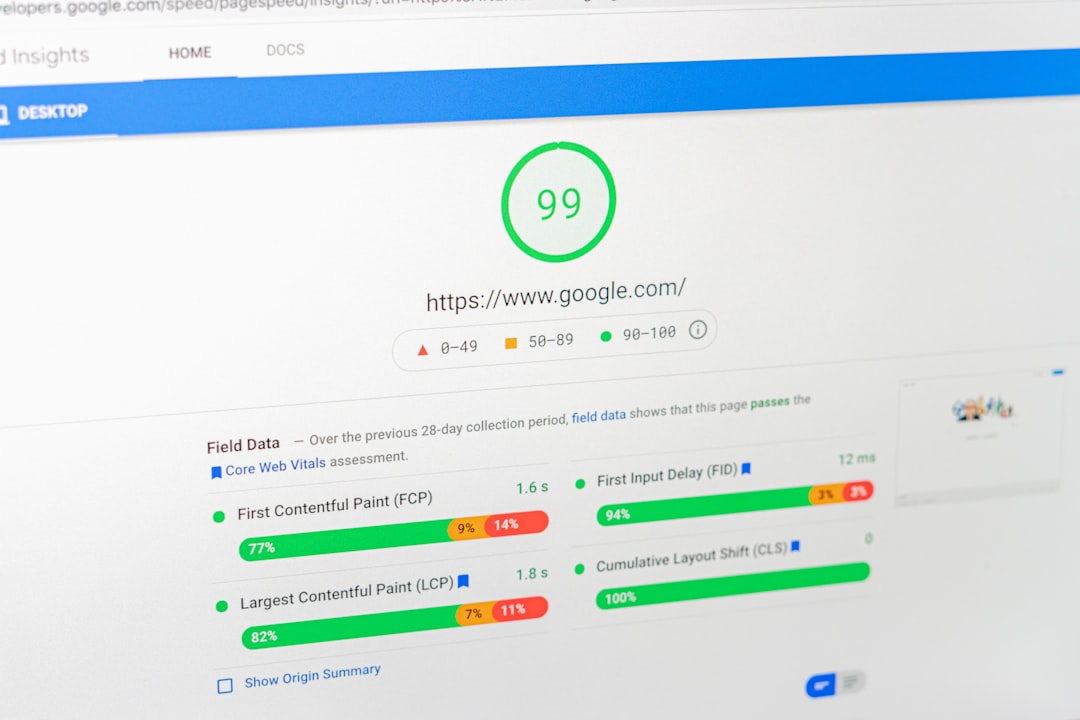
Performance comparison
Both platforms can be very fast. Bad performance usually comes from heavy JavaScript, huge images, blocking scripts, or poor caching. The host helps, but it cannot fix a bloated frontend alone.
Vercel performs very well for Next.js because it understands the framework deeply. Cloudflare Pages performs very well for static files because Cloudflare’s CDN is so widely spread. Teams that care about Core Web Vitals should also improve caching, image formats, script loading, and font delivery. A practical checklist is covered in this guide on SaaS website performance optimization.
Developer experience
Vercel wins on polish. Its interface feels focused. The flow from Git commit to preview to production is simple. Next.js errors are often easier to read there.
Cloudflare Pages wins on ecosystem depth. It sits near DNS, SSL, caching rules, Workers, security, analytics, and R2 storage. That is powerful. It can also feel scattered. Expect to waste time clicking between products until the structure makes sense.
Pricing and limits
Pricing is where many teams pause. Vercel can be affordable at first, especially for small projects. As usage grows, paid seats, bandwidth, functions, observability, and image optimization may affect the bill.
Cloudflare Pages often feels more budget friendly for high-traffic static sites. Its value grows when the team already uses Cloudflare for DNS, security, or Workers. Still, every team should check quotas before moving. Free plans are useful for testing, not always for serious production workloads.
Which one should a team choose?
- Choose Vercel if the app uses Next.js heavily, ships often, and needs smooth previews.
- Choose Cloudflare Pages if the site is mostly static, traffic is global, and cost control matters.
- Choose Vercel for product teams that want fewer setup decisions.
- Choose Cloudflare Pages for teams that like edge tools and already use Cloudflare.
For example, a startup with a Next.js app, auth flows, dashboards, and weekly product launches will likely move faster on Vercel. A publisher with thousands of static pages and readers across several regions may get better value from Cloudflare Pages. An IoT company building a public status page or device dashboard might use Cloudflare Pages for the frontend while connecting to backend services and IoT messaging platforms.

FAQ
- Is Vercel better than Cloudflare Pages?
Vercel is better for many Next.js projects. Cloudflare Pages is often better for static sites, global delivery, and lower bandwidth concerns. - Is Cloudflare Pages cheaper than Vercel?
It can be, especially for high-traffic static sites. The final cost depends on bandwidth, functions, images, team seats, and add-ons. - Can Cloudflare Pages host Next.js?
Yes, but Vercel usually offers the smoothest Next.js support because the framework is closely tied to Vercel. - Can both replace Netlify?
Yes. Both support Git deployments, previews, custom domains, SSL, and modern frontend frameworks. - What is the safest choice for a small team?
For a Next.js app, Vercel is the safer default. For a static marketing site or docs site, Cloudflare Pages is a strong pick.