80/180 is not a universal media standard; it is a shorthand that only makes sense when you know the unit, tool, and production context. In video or digital media, it may describe an angle, a crop ratio, a retention target, a display size, a timing rule, or an internal naming convention. Treat it as a signal to ask for context, not as a fixed technical rule.
TLDR
80/180 usually means “80 in relation to 180,” but the meaning changes by workflow. In a video shoot, it may point to the 180 degree shutter rule or camera direction. In analytics, it might mean that 80% of viewers remain at 180 seconds; for example, a training video with 10,000 starts and 8,000 viewers still watching at the three minute mark has an 80/180 retention signal. Always ask: 80 what, 180 what, and measured where?
What the 80/180 Concept Means
The phrase 80/180 is best understood as a context dependent ratio or reference pair. The number 80 may refer to percent, pixels, frames, seconds, opacity, bitrate, volume, or audience retention. The number 180 may refer to degrees, seconds, days, pixels, camera axis, or a timing point.
That is why it causes confusion. Someone in post production may hear 180 and think of shutter angle. A marketer may hear 180 and think of a three minute viewer retention point. A designer may read 80/180 as a size, spacing value, or layout constraint.
The safest interpretation is this: 80/180 describes a relationship between two values, but the units decide the meaning.

Common Meanings in Video Production
In video work, the number 180 already has strong associations. That makes 80/180 easy to misread.
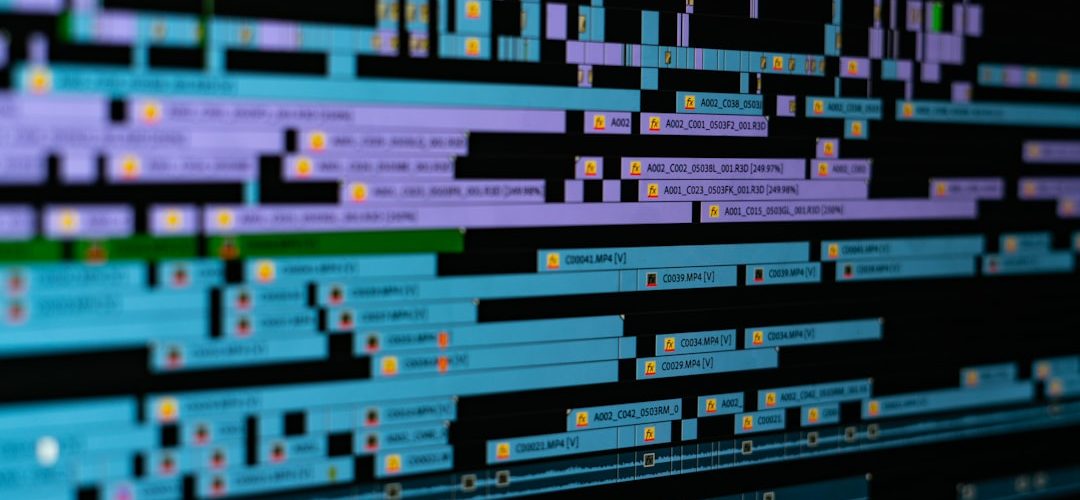
- 180 degree shutter rule: This rule says shutter speed should usually be about double the frame rate. At 24 fps, a common shutter speed is 1/48 or 1/50. This creates motion blur that feels natural to most viewers.
- 180 degree line rule: This is a camera blocking rule. It keeps subjects on consistent sides of the frame, so the audience does not lose spatial orientation during edits.
- 80% safe area or framing guide: Some teams use an 80% zone to keep titles, faces, or product details away from edges. Combined with a 180 degree camera or motion rule, this can be shortened as 80/180 in notes.
The catch is that production notes are often messy. A director may write “keep 80/180” on a shot list and assume everyone knows what that means. Then the editor loses ten minutes trying to work out whether the note refers to framing, camera angle, or shutter. That should not happen, but it does.
A clear version would be better: “Use 180 degree shutter, keep subject inside 80% title safe area.” That sentence removes doubt.
Meaning in Analytics and Viewer Retention
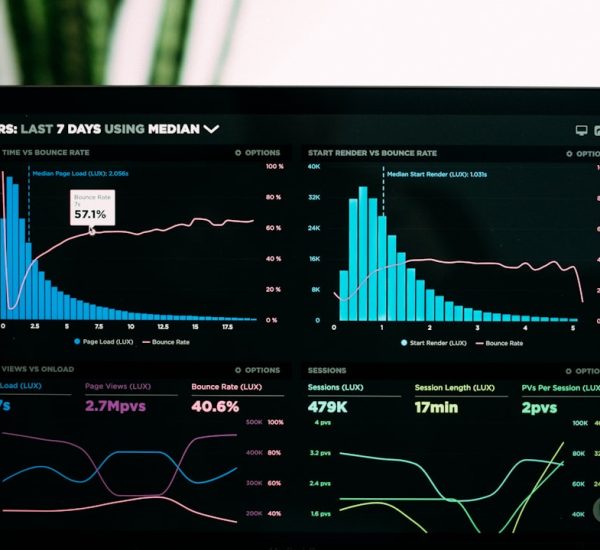
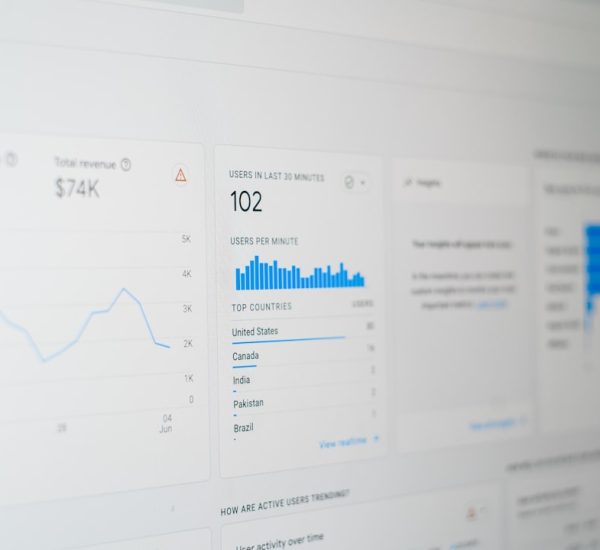
In digital media analytics, 80/180 can be a useful performance marker. It may mean 80% retention at 180 seconds. This is common in online courses, product demos, internal training, webinars, and long form social videos.
For example, assume a software tutorial receives 25,000 starts. If 20,000 viewers are still watching at the 180 second point, the video has 80% retention at three minutes. That is strong for many educational formats. If only 9,000 remain, retention is 36%, and the opening probably needs work.
This use case is practical because the 180 second mark is long enough to reveal intent. A viewer who stays for three minutes is more committed than someone who leaves after eight seconds. Still, the number must be judged by format. A 15 second ad cannot use the same marker. A 45 minute lecture needs more than one checkpoint.
Honestly, it feels like analytics tools make this harder than needed. Some platforms show retention by seconds. Others show percentage watched. Some hide exact drop off points behind export menus. Expect to spend extra time matching the 180 second point across tools unless your reporting template is strict.
Meaning in Design, Display, and File Specs
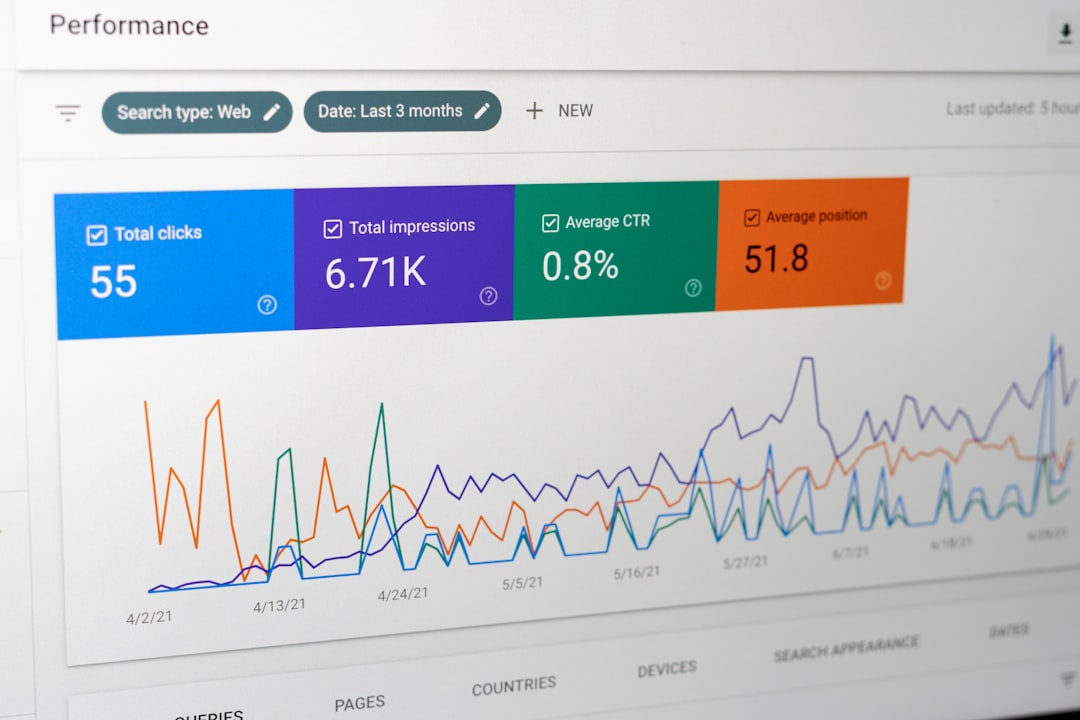
In design or media delivery, 80/180 may point to dimensions or scaling. It could mean 80 pixels by 180 pixels, an 80 to 180 size range, or a crop value in a template. In motion graphics, it might describe an object moving from 80 to 180 on an axis.
In interface work, similar values appear in CSS, animation software, and ad platforms. A banner might require an element to start at x=80 and rotate to 180 degrees. A thumbnail system might resize assets from 180 px down to 80 px. A social media export preset might use those numbers as internal labels.
This is where precision matters. 80/180 px is not the same as 80% at 180 seconds. 80 opacity with 180 degree rotation is different again. If the unit is missing, the number pair is only a guess.
Potential Applications
The 80/180 concept can be useful when teams define it with care. It works best as a compact label for a recurring decision.
- Content performance: Use 80/180 as a retention target for videos longer than three minutes. If a product explainer keeps 80% of viewers at 180 seconds, the opening, pacing, and relevance are likely working.
- Video production rules: Use it as a reminder for safe framing and a 180 degree camera or shutter rule, but spell out the meaning in the production brief.
- Training content: Measure whether learners stay through the first core lesson section. A drop below 60% by 180 seconds may suggest the intro is too slow.
- Ad testing: Track whether long form ads hold attention. If two ads have the same click rate, but one keeps 80% at 180 seconds and the other keeps 52%, the first may have stronger message fit.
- Motion design: Use 80/180 as a shorthand for animation values, such as opacity rising from 80% while an element rotates 180 degrees. Document it in the project file.

How Context Determines Meaning
Context is not a minor detail here. It is the whole point. The same numbers can describe audience behavior, camera grammar, motion blur, image layout, or file output.
To identify the right meaning, ask five simple questions:
- What is the unit? Percent, seconds, degrees, pixels, frames, or something else?
- Where did the value appear? Camera menu, edit timeline, analytics report, design spec, or client brief?
- Who used the term? A cinematographer, editor, marketer, developer, designer, or media buyer?
- Is it a rule, target, or measurement? Those are not the same.
- What decision depends on it? Shoot settings, edit pacing, creative testing, crop size, or reporting?
This small check prevents costly mistakes. A misread camera rule can affect the look of footage. A misread analytics target can lead a team to cut the wrong section of a video. A misread design value can result in rejected ad assets.
Best Practice for Using 80/180
If you use 80/180 in a brief, report, or production note, define it once near the top. Write it in plain terms. For example:
- Analytics: “80/180 = 80% audience retention at 180 seconds.”
- Production: “80/180 = keep subject within 80% safe frame and follow the 180 degree line.”
- Design: “80/180 = asset size range from 80 px to 180 px.”
The term can save space, but only after everyone agrees on the meaning. Before that, it is just shorthand with too much room for error.
Bottom line: 80/180 is a useful concept when bound to clear units and a specific workflow. Without that context, it is ambiguous. In serious video and digital media work, ambiguity costs time, weakens decisions, and creates avoidable rework.