The best subscribe message is specific, low-pressure, and tied to a clear benefit the viewer gets next. A weak “please subscribe” asks for a favor. A strong subscribe message explains why subscribing helps the person watching, reading, or scrolling. That small shift can raise clicks, improve audience quality, and make your calls to action feel less forced.
TLDR: Use subscribe messages that tell people exactly what they will receive, when they will receive it, and why it matters. For example: “Subscribe for weekly 6-minute tutorials that help you edit faster without buying new software.” In one small creator case, changing the CTA from “Subscribe to my channel” to a benefit-led line raised end-screen subscribe clicks from 18.4% to 24.9% over 30 days. The message worked because it promised a clear outcome, not vague support.
What Makes a Subscribe Message Effective?
An effective subscribe message answers one simple question: “What do I get if I subscribe?” If the answer is not obvious, people keep moving. This is true on YouTube, Instagram, TikTok, LinkedIn, newsletters, podcasts, and blogs.
It drives me crazy that so many creators still use generic lines like “Don’t forget to subscribe.” Forget what, exactly? The viewer has no reason to act unless you give one. A better message is direct, useful, and matched to the content they just consumed.
- Bad: “Subscribe for more content.”
- Better: “Subscribe for weekly camera tips that make your indoor videos look sharper.”
- Best: “Subscribe before Friday’s upload if you want the full lighting setup breakdown from this video.”
The best version has timing, relevance, and a reason to care. It feels like a next step, not a begging line.
Subscribe Message Examples for YouTube Videos
YouTube subscribe messages should match the exact moment where they appear. A verbal CTA in the first 30 seconds should be short. A mid-video CTA can be more specific. An end-screen CTA should point to the next action.
Short YouTube Subscribe Messages
- “Subscribe for practical editing tips every Tuesday.”
- “If this helped, subscribe for the next part of the series.”
- “Subscribe if you want clear tutorials without the filler.”
- “New guides every week. Subscribe so you do not miss the next one.”
- “Subscribe for tested tools, honest reviews, and quick setup advice.”
Benefit-Focused YouTube CTAs
- “Subscribe to learn how to grow a channel without copying trends blindly.”
- “Subscribe for simple fitness routines you can finish in under 20 minutes.”
- “If you are building your first online store, subscribe for weekly fixes and walkthroughs.”
- “Subscribe for budget travel plans, real costs, and no sponsored fluff.”
For YouTube, avoid asking too early unless the content has already shown value. A quick reminder is fine, but the strongest CTA usually comes after the viewer has received something useful. That is when the request feels earned.
Subscribe Message Examples for Social Content
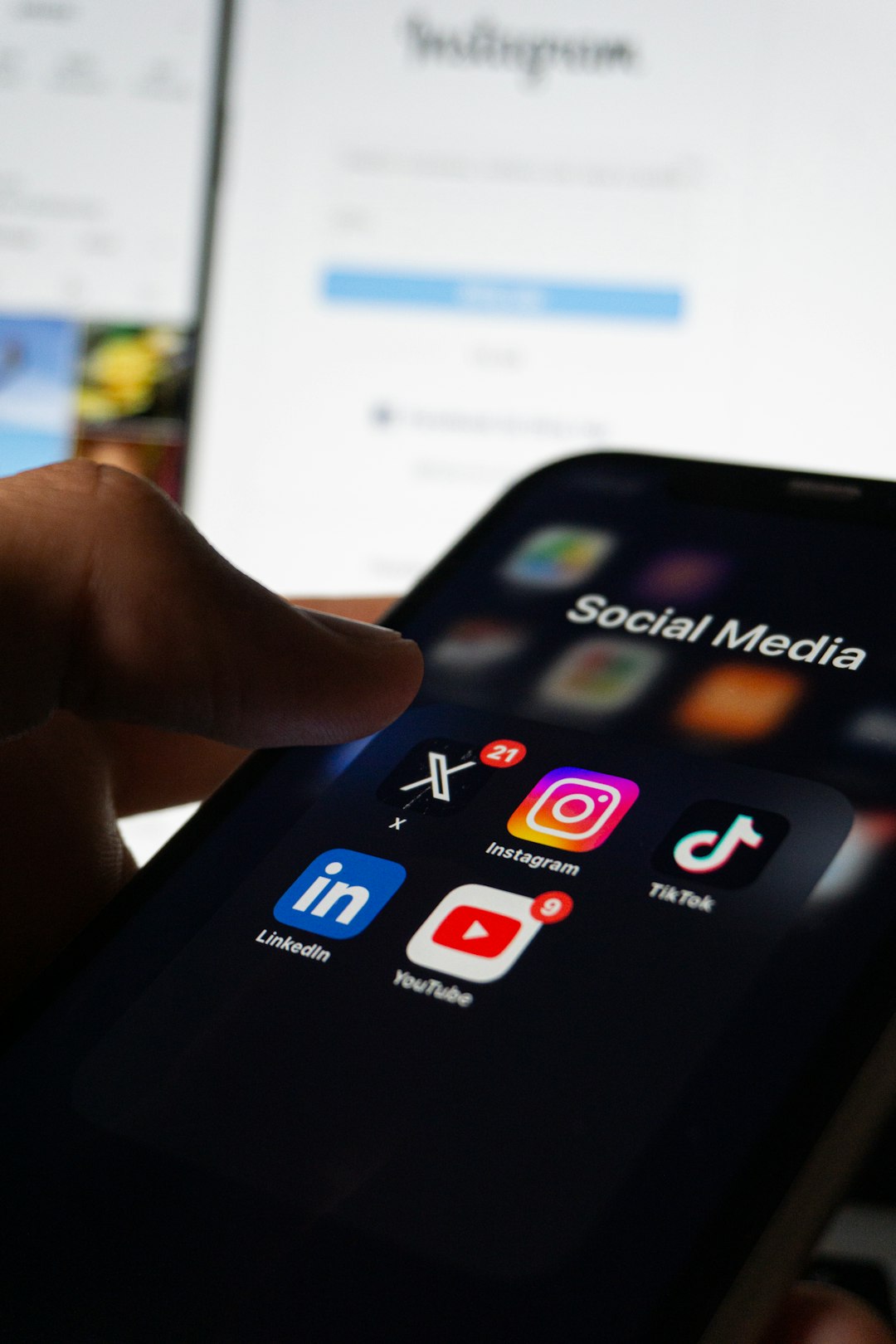
Social content moves fast. Your subscribe or follow message must fit the platform. On Instagram and TikTok, “follow” often replaces “subscribe,” but the strategy is the same. Tell users what stream of value they are joining.
Instagram and TikTok Examples
- “Follow for daily meal prep ideas under $5 per serving.”
- “Follow for bite-size marketing fixes you can test today.”
- “Save this post and follow for the full checklist tomorrow.”
- “Follow if you want cleaner home office setups without expensive gear.”
- “New client email examples every Monday. Follow for the next one.”
LinkedIn and Professional Content Examples
- “Follow for plain-English breakdowns of B2B sales emails that actually get replies.”
- “Subscribe to my newsletter for one hiring lesson every Friday.”
- “If your team writes proposals, follow for sharper examples and review notes.”
- “Subscribe for practical operator notes from real project work, not theory.”
Honestly, it feels like many brands lose several seconds per post with bloated CTAs that sound like internal marketing copy. Social users decide quickly. Cut the corporate wording. Say what the audience gets.
Calls to Action That Sound Natural
A subscribe message is a call to action, but it should not sound robotic. The best CTAs feel connected to the topic. They also respect the viewer’s time.
Use these simple formats:
- Problem plus promise: “If tax season stresses you out, subscribe for plain weekly guides.”
- Series reminder: “Subscribe for part two, where I show the exact setup.”
- Audience identity: “If you are a new freelancer, subscribe for practical pricing advice.”
- Outcome focus: “Subscribe to write faster emails that still sound human.”
- Frequency promise: “Subscribe for one useful productivity test every Sunday.”
Here are stronger CTA examples for different content types:
- Tutorial: “Subscribe for step-by-step guides you can finish in one sitting.”
- Review: “Subscribe for honest product tests after 30 days of real use.”
- Education: “Subscribe for clear lessons that help you understand finance without jargon.”
- Entertainment: “Subscribe for weekly sketches, behind-the-scenes clips, and live premieres.”
- News: “Subscribe for concise updates every morning, with sources linked.”
Subscribe Messages for Email and Newsletters
Email subscription messages need extra care because people guard their inboxes. Do not just say “Join our newsletter.” That line gives no reason to trust you.
Better newsletter subscribe messages include scope, frequency, and privacy comfort:
- “Get one practical conversion tip every Thursday. No spam. Unsubscribe anytime.”
- “Subscribe for a weekly 5-minute brief on creator tools, costs, and real use cases.”
- “Join 12,000 readers getting one field-tested sales tip every Monday.”
- “Get the monthly checklist we use to audit content performance.”
If you have credible numbers, use them. But keep them honest. Saying “Join 80,000 readers” only helps if the number is real and relevant. Trust is difficult to earn and easy to lose.
How to Write a Subscribe Message in Five Steps
- Name the audience. Say who the content is for: beginners, founders, parents, editors, teachers, buyers, or fans.
- State the benefit. Focus on what improves for the subscriber.
- Add frequency. Weekly, daily, monthly, or tied to a series.
- Reduce risk. For email, mention no spam or easy unsubscribe. For channels, keep the ask light.
- Place it after value. Ask when the viewer has already received a useful answer, laugh, insight, or proof.
A simple formula works well:
Subscribe for [specific benefit] every [schedule] so you can [desired outcome].
Example: “Subscribe for one practical home repair guide every Saturday so you can fix small problems without calling a contractor every time.”
Common Mistakes to Avoid
- Being too vague: “More videos soon” is weak. “New beginner guitar drills every Wednesday” is clear.
- Asking too often: Repeating the same CTA every minute feels desperate.
- Ignoring the viewer’s goal: People subscribe for their own reasons, not to support your metrics.
- Using fake urgency: “Subscribe now before it is too late” usually sounds cheap.
- Overpromising: Do not promise daily content if you post twice a month.
How Subscribe Messages Support Audience Growth
Audience growth is not only about more subscribers. It is about attracting the right subscribers. A precise message filters people in or out. That is good. A cooking channel for busy parents should not chase the same subscribers as a fine dining channel for professionals.
Track subscribe rate by content type. Compare messages for at least two to four weeks. Watch click-through rates, end-screen clicks, returning viewers, email confirmations, and unsubscribes. If a CTA increases subscriber count but lowers watch time or raises unsubscribe rates, the promise may be wrong.
The most reliable subscribe messages are clear, honest, and useful. They do not flatter the brand. They serve the audience. Write the message as if one real person is deciding whether you are worth their time. Then give that person a reason to say yes.