
For 2026 Kansas Roth IRA asset protection, use legal research tools to confirm the law, then use estate planning software to draft the documents. That order matters. Kansas generally treats Roth IRAs as protected retirement assets under its exemption statute, but the result can change with bankruptcy rules, inherited accounts, divorce orders, tax claims, or bad transfers made right before a creditor problem. The core Kansas statute includes Roth IRAs under retirement plan protections [source: Kansas Revisor of Statutes].
TLDR: Kansas is relatively favorable for Roth IRA asset protection, but a 2026 plan should still be checked against current statutes, bankruptcy limits, and case law. For example, a Wichita client with a $310,000 Roth IRA and $40,000 in credit card judgments may be protected under Kansas law, while a recently inherited Roth IRA may need much closer review. Legal research tools are better for confirming whether protection applies. Estate planning software is better for producing beneficiary forms, trust clauses, and client summaries after the legal answer is verified.
Why Roth IRA Protection in Kansas Is Not a Checkbox
A Roth IRA looks simple. Contributions are after tax. Qualified withdrawals are tax free. Beneficiary designations pass the account outside probate. That simplicity can create false comfort.
Asset protection is a different issue. A planner must ask:
- Is the Roth IRA owned by the original account holder?
- Is it an inherited Roth IRA?
- Is the account involved in bankruptcy?
- Was money moved into the Roth after creditor trouble started?
- Is there a divorce, child support, IRS, or criminal restitution claim?
Those details decide the outcome. Estate planning software may not ask enough of these questions. Honestly, it feels like some programs treat “IRA” as one clean category, when Kansas law and bankruptcy law do not always work that way.
Image not found in postmetaThe Kansas Rule: Strong, But Not Absolute
Kansas law protects many retirement plan interests from creditor claims. That includes plans tied to Internal Revenue Code sections covering traditional IRAs and Roth IRAs. For a Kansas resident, this is a strong starting point.
Still, “protected” does not mean “untouchable.” Courts may look at timing, account type, ownership, and exceptions. A debtor who transfers large sums into a Roth IRA after being sued may face a fraudulent transfer argument. A spouse or former spouse may have rights under a domestic relations order. Federal tax claims can also cut through state exemption planning.
Bankruptcy adds another layer. Federal bankruptcy law sets special treatment for retirement funds. Traditional and Roth IRAs have a federal cap in bankruptcy that adjusts over time. For cases filed during the 2025 adjustment period, the IRA exemption cap is listed at $1,711,975 [source: United States Courts]. Kansas exemptions may still matter, but bankruptcy counsel must confirm which rules apply in the filing.
Legal Research Tools: Best for the Real Answer
Legal research tools are the safer first stop for 2026 Roth IRA asset protection questions. They show the statute, amendments, case treatment, bankruptcy opinions, and citing references. That is what a lawyer needs before giving advice.
Strong tools include Westlaw, Lexis, Bloomberg Law, Fastcase, vLex, and similar platforms. The tool choice matters less than the research process. A serious review should include:
- Kansas exemption statutes, especially retirement account provisions.
- Bankruptcy cases from Kansas and the Tenth Circuit.
- Inherited IRA rulings, since inherited accounts are often weaker.
- Fraudulent transfer law, especially recent funding before a claim.
- Federal exceptions, including tax liens and domestic support duties.
The advantage is precision. A citator can show whether a case has been criticized or followed. A statutory history tool can show whether the Kansas Legislature changed a phrase. Alerts can flag new 2026 bills or bankruptcy decisions.
The downside is cost and friction. Expect to waste time on searches that return fifty insurance cases when you only need two IRA exemption opinions. Some platforms also bury Kansas bankruptcy materials under broad federal results. That extra sorting may take ten minutes, but it can prevent a six-figure error.
Estate Planning Software: Best for Drafting, Not Final Legal Judgment
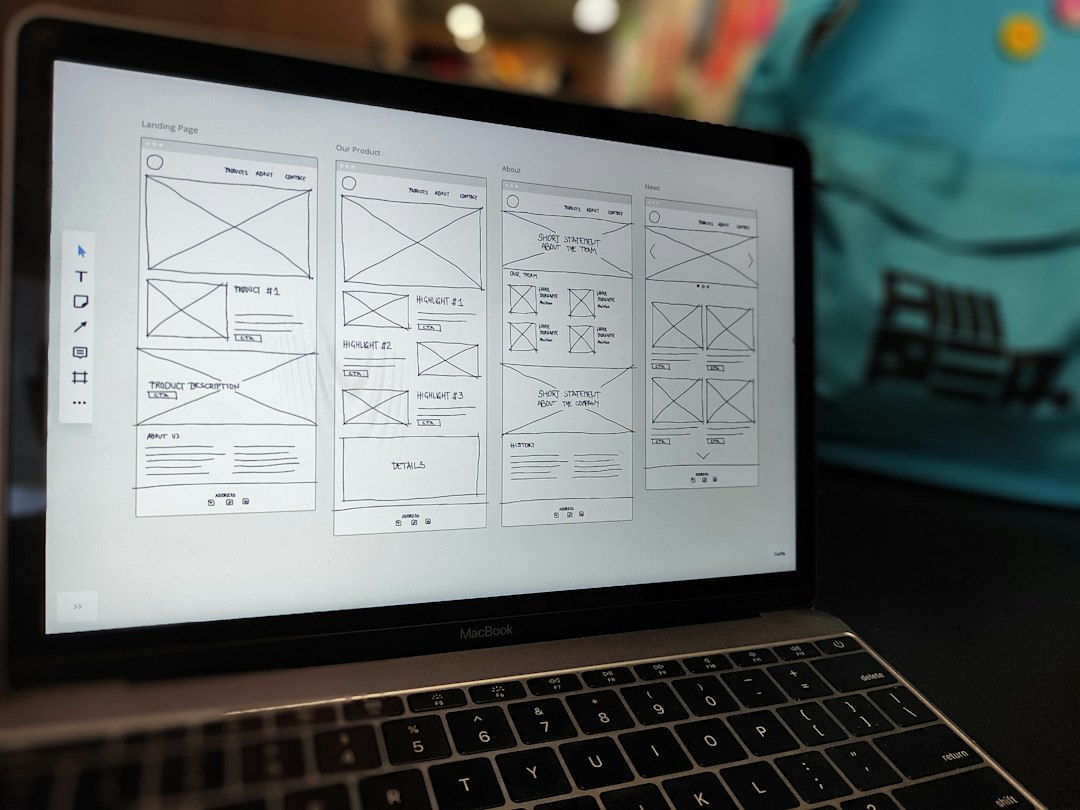
Estate planning software has a useful role. It can build revocable trusts, IRA inheritance clauses, spousal planning documents, powers of attorney, and client letters. For routine drafting, it saves time.
Good software can help a Kansas attorney:
- collect beneficiary information;
- prepare trust provisions for retirement assets;
- coordinate Roth IRA beneficiary designations;
- produce client-friendly summaries;
- track document signing and storage.
But software is only as reliable as its legal content. If it has not been updated for 2026, it may miss a statutory change. If it uses national templates, it may gloss over Kansas-specific exemptions. If it treats inherited Roth IRAs the same as owner-held Roth IRAs, that is a serious flaw.
The worst issue is hidden confidence. A polished client memo can look authoritative even when the legal assumption behind it is thin. It drives me crazy that some systems generate a three-page asset protection explanation faster than they reveal the actual statute they relied on.
Inherited Roth IRAs Need Extra Care
Inherited Roth IRAs are a common danger point. The U.S. Supreme Court held that inherited IRAs are not “retirement funds” for federal bankruptcy exemption purposes in Clark v. Rameker. That case involved a traditional IRA, but the reasoning matters for inherited Roth accounts too.
Kansas law may offer different or broader state protection, but counsel should not assume. The exact account history matters. Was the beneficiary a spouse? Did the spouse roll it over into the spouse’s own IRA? Is the beneficiary a child, sibling, trust, or estate? Those facts change the risk profile.
This is where legal research tools beat drafting software. A document generator may ask, “Who is the beneficiary?” A research tool helps answer, “Will a creditor reach the account after that beneficiary receives it?” Those are not the same question.
How Kansas Attorneys Should Compare the Two
| Task | Best Tool | Reason |
|---|---|---|
| Confirm Kansas Roth IRA exemption | Legal research tool | Requires statutes, cases, and updates |
| Draft trust and beneficiary language | Estate planning software | Speeds document production |
| Review bankruptcy exposure | Legal research tool | Needs federal and local authority |
| Create client summary letter | Estate planning software | Useful after lawyer review |
A Practical 2026 Workflow
A careful Kansas workflow should be simple and repeatable.
- Identify the account. Confirm whether it is a Roth IRA, inherited Roth IRA, rollover Roth IRA, or account inside another plan.
- Check Kansas law. Verify the current version of the exemption statute and any 2026 amendments.
- Check bankruptcy exposure. Ask whether the client may file bankruptcy within the next year.
- Review creditor facts. Look for lawsuits, judgments, tax debt, support claims, or transfers made under pressure.
- Draft only after research. Use software for documents once the legal conclusion is clear.
- Document the advice. Keep notes showing the statute, cases, and assumptions used.
Bottom Line for 2026 Planning
Kansas Roth IRA protection is meaningful, and many clients will benefit from it. Still, asset protection advice should not come from a template alone. The biggest risks are inherited accounts, bankruptcy timing, recent transfers, and federal claims.
Use legal research tools for the legal answer. Use estate planning software for clean drafting and administration. That split is not glamorous, but it is the safer method. For Kansas residents with six or seven figures in Roth IRA assets, the extra research time is a small price compared with a failed exemption claim.