Buyers should judge personalization platforms by measurable control, not by flashy AI claims. In 2026, the strongest tools will prove that they can identify useful customer groups, recommend the right content or products, and trigger automated experiences without creating a mess for marketing, data, and compliance teams.
TLDR: A strong personalization platform should make segmentation easy to audit, recommendations easy to test, and automation easy to pause or adjust. For example, a mid-market retailer might use behavior-based segments to lift repeat purchases by 18% while cutting abandoned-cart follow-ups by 25% because low-intent visitors are excluded. The best evaluation method is a live pilot using real data, clear success metrics, and side-by-side reporting. If a demo looks smart but cannot explain why a customer received an offer, the buyer should be cautious.
What Buyers Should Evaluate First
Personalization sounds simple until a platform starts making decisions across email, web, ads, mobile, and service channels. The catch is that many tools promise “AI personalization” while offering little more than rule-based segments and recycled product grids.
In 2026, serious evaluation should focus on three areas:
- Segmentation: How the platform groups people and updates those groups.
- Recommendations: How it selects products, content, offers, or next actions.
- Automated experiences: How it turns data into coordinated journeys across channels.
The platform should also fit the company’s data maturity. A large retailer may need predictive audiences and real-time decisioning. A B2B software firm may need account-based segmentation, product usage triggers, and sales alerts. Bigger is not always better. A bloated tool can slow a team down by several seconds per task, which becomes painful across thousands of campaign edits.
Segmentation: Look for Clarity, Speed, and Control
Segmentation is the base layer of personalization. If it is weak, every recommendation and automation that follows will be flawed.
Buyers should test whether the platform can create segments from multiple data types, including:
- Demographics: age range, location, language, household profile.
- Behavior: page views, searches, clicks, purchases, cart activity.
- Lifecycle stage: new lead, active customer, loyal buyer, churn risk.
- Value signals: average order value, contract size, purchase frequency.
- Intent signals: content downloads, pricing visits, product comparisons.
The best platforms allow both rules-based and predictive segmentation. Rules help teams stay precise. Predictive models help spot patterns that humans may miss. A strong system should show why someone entered a segment, when the change happened, and which data source caused it.
Honestly, it feels like some vendors hide segment logic because the logic is thin. That is a problem. Marketing teams need explainable audiences, especially when offers, pricing, credit, health, or financial products are involved.
A good 2026 checklist should include:
- Can segments update in real time or near real time?
- Can teams preview segment size before launch?
- Can overlap between segments be detected?
- Can suppression rules prevent over-messaging?
- Can privacy consent be applied automatically?
- Can non-technical users build segments without SQL?
Recommendations: Judge the Output, Not the Buzzwords
Recommendation engines should do more than fill a carousel. They should help each customer take a useful next step. That may mean showing a product, an article, a service plan, a discount, a webinar, or no offer at all.
Buyers should ask what types of recommendation models the platform supports. Common models include collaborative filtering, content similarity, popularity rules, margin-based ranking, affinity models, and next-best-action scoring. None is perfect. The right mix depends on the business model.
For ecommerce, the platform should support product substitution, bundles, replenishment timing, and inventory-aware suggestions. For media brands, it should rank articles, videos, or newsletters based on interest and freshness. For B2B, it should recommend content by role, account stage, industry, and product adoption level.

Evaluation should include a test set. A vendor should be asked to run recommendations on recent customer data and compare results against a control group. Strong metrics include:
- Click-through rate: Are people engaging with recommendations?
- Conversion rate: Are recommendations creating action?
- Revenue per visitor: Are suggestions improving commercial results?
- Average order value: Are bundles and upgrades useful?
- Churn reduction: Are at-risk customers receiving better prompts?
- Complaint rate: Are suggestions becoming annoying or wrong?
One bad sign is a recommendation system that cannot explain exclusions. If winter coats are shown to customers in warm regions, or beginner guides are sent to advanced users, the model may be ignoring context. Personalization should feel helpful, not creepy or lazy.
Automated Experiences: Test the Journey Builder Under Pressure
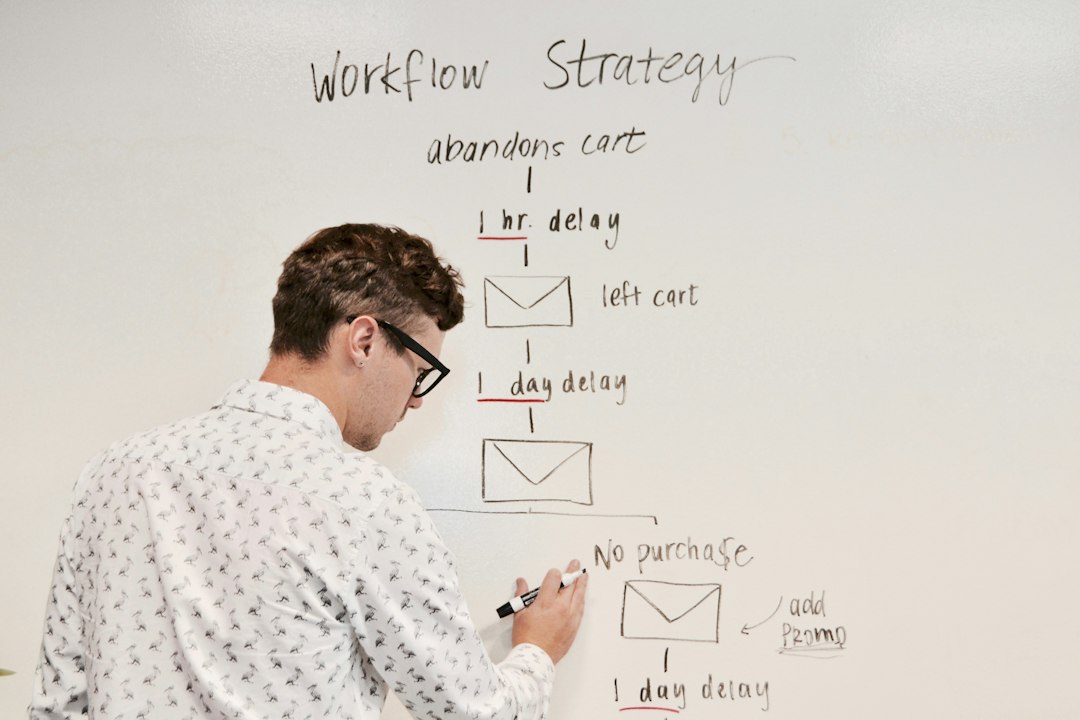
Automation is where personalization can create profit or chaos. A journey builder may look clean in a demo, then become slow and tangled when a team adds real segments, wait steps, channel rules, and exclusions.
Buyers should test common workflows before signing. These may include welcome journeys, abandoned-cart recovery, renewal reminders, loyalty upgrades, reactivation campaigns, post-purchase education, and win-back flows.
The platform should support branching logic based on behavior. For example, a customer who clicks a product email but does not buy should receive a different follow-up than a customer who ignored the message. A high-value customer may move to a concierge-style journey. A low-engagement contact may be suppressed for a period.
Strong automated experience features include:
- Cross-channel orchestration: email, SMS, app, web, ads, and call center prompts.
- Frequency controls: rules that prevent message overload.
- Goal tracking: clear success events for each journey.
- Holdout groups: proof that automation beats doing nothing.
- Version history: recovery when a campaign change breaks logic.
- Approval workflows: review steps for regulated or high-risk messages.
Data, Privacy, and Integration Checks
Personalization depends on clean, trusted data. Buyers should review whether the platform connects well with customer data platforms, ecommerce systems, CRMs, analytics tools, ad platforms, consent systems, and data warehouses.
Consent handling matters more in 2026. Platforms should respect opt-ins, regional privacy rules, and data retention limits. They should also support role-based access, audit logs, and model governance. If a team cannot see who changed a segment or why a message was sent, risk increases fast.
Integration quality should be tested with real use cases. It is not enough for a vendor to say an integration exists. The buyer should confirm sync speed, field mapping, failure alerts, and identity resolution. Duplicate profiles can wreck personalization by splitting behavior across records.
How to Score Vendors
A simple scorecard helps teams compare platforms without getting distracted by polished demos.
- 25% segmentation quality: flexibility, transparency, refresh speed, consent controls.
- 25% recommendation quality: accuracy, explainability, testing options, business fit.
- 20% automation depth: journey logic, channel support, error handling, approvals.
- 15% reporting: attribution, holdouts, dashboards, export options.
- 15% usability and cost: training time, admin effort, pricing clarity, support.
The final decision should come from a pilot, not a slide deck. A 30-day pilot can measure lift, workflow speed, data issues, and marketer confidence. If the platform saves campaign build time by 30% and raises conversion by 10%, it earns serious attention. If it needs constant technical support for basic changes, the team should keep looking.
FAQ
- What is the most important personalization feature to evaluate in 2026?
- Segmentation quality comes first. Poor segments cause weak recommendations and messy automated journeys.
- How can a company test recommendation accuracy?
- It can run a pilot with real customer data, compare results against a control group, and track clicks, conversions, revenue per visitor, and opt-outs.
- Should small teams choose AI-heavy platforms?
- Not always. Small teams often need clear templates, easy rules, and clean reporting before advanced predictive features.
- What is a warning sign during a vendor demo?
- A major warning sign is vague logic. If the vendor cannot explain why a person entered a segment or received a recommendation, the platform may be risky.
- How long should a personalization platform pilot last?
- A pilot of 30 to 60 days is usually enough to test core segments, recommendations, automated journeys, reporting, and support quality.