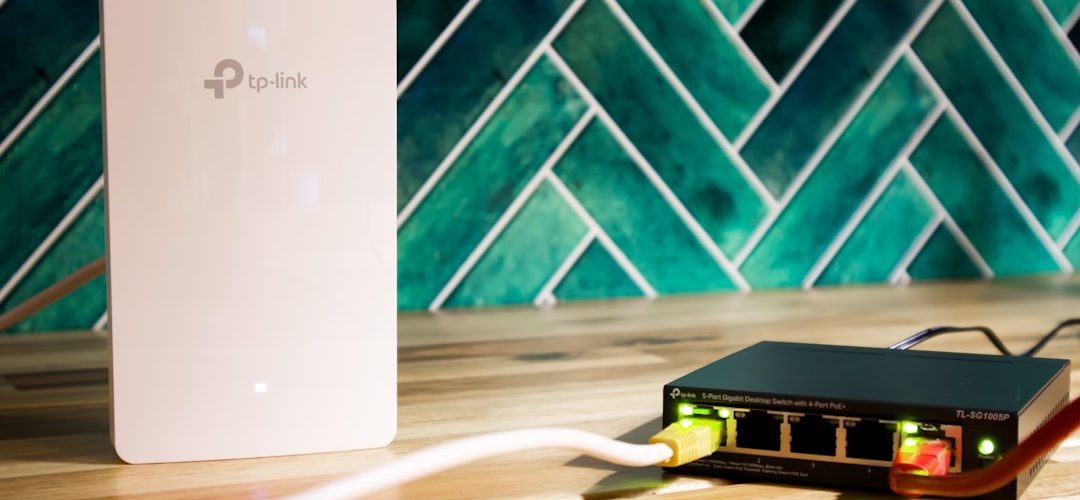
An Internetwork Operating System is the software brain inside network gear. It tells routers and switches how to move data, protect traffic, and talk to other devices. The best known example is Cisco IOS, used on many Cisco routers and switches. Think of it as the traffic boss for packets.
TLDR: An Internetwork Operating System runs network devices, much like Windows runs a laptop. It manages routing, switching, security, device settings, and troubleshooting. For example, a small office with 45 employees may use one router running IOS to connect phones, laptops, printers, and cloud apps with fewer dropouts. If set up well, it can cut network incidents by 30% or more in busy teams.
So, what is an Internetwork Operating System?
An Internetwork Operating System, often called IOS, is special software made for networking hardware. It runs on routers, switches, firewalls, and similar devices.
Its job is simple to say. It moves data from one place to another. Its real work is not so simple. It checks addresses. It chooses paths. It blocks bad traffic. It stores settings. It reports problems. It does all this while everyone expects the internet to “just work.”
Honestly, it feels like networks get blamed for everything. Slow app? Blame the network. Printer asleep? Blame the network. Coffee machine blinking? Somehow, still the network. IOS helps admins prove what is really going on.
Quick note: Cisco IOS is not Apple iOS. One runs routers. The other runs iPhones. Same letters. Very different snack table.
1. The command line is the control room
Most Internetwork Operating Systems use a command line interface, or CLI. This is where admins type commands to check and change the device.
It may look scary at first. Black screen. White text. No cute buttons. But it is fast once you learn it.
For example:
- show running config shows the active settings.
- show ip interface brief shows interface status.
- ping tests if another device replies.
- copy running config startup config saves changes.
The CLI is popular because it is precise. Clickable menus can hide things. Commands show exactly what happened. That matters when one wrong setting can break the office Wi Fi at 9:03 a.m.
2. Routing moves traffic between networks
Routing is one of the biggest jobs of an Internetwork Operating System. A router connects different networks. IOS decides where packets should go next.
Imagine sending a letter. The address says where it should end up. The postal system picks roads, trucks, and sorting centers. Routing does the same thing for data.
IOS can use simple static routes. These are hand written paths. It can also use routing protocols. These let routers share path information with each other.
Common routing protocols include:
- OSPF: Often used inside companies.
- EIGRP: A Cisco friendly routing protocol.
- BGP: Used heavily across the internet.
The goal is simple. Send packets to the right place. Avoid broken links. Do it fast.
3. Switching handles local traffic
Routers connect networks. Switches connect devices inside a local network. Laptops, phones, printers, cameras, and servers often plug into switches.
An Internetwork Operating System on a switch learns device addresses. These are called MAC addresses. The switch then sends traffic only where it needs to go.
This is better than yelling across the whole room. Nobody wants every printer to hear every laptop. That would be chaos with toner.
IOS also supports VLANs. A VLAN is a virtual local network. It splits one physical switch into separate groups.
Example VLAN setup:
- VLAN 10: Staff laptops
- VLAN 20: Guest Wi Fi
- VLAN 30: Security cameras
- VLAN 40: VoIP phones
This keeps traffic cleaner. It also adds control. Guests do not need access to payroll files. Cameras do not need to chat with accounting.

4. Interfaces are the doors
Every network device has interfaces. These are the ports where cables, fiber, or wireless links connect.
IOS lets admins set each interface. Is it on or off? What IP address does it use? What speed? What VLAN? Is it allowed to carry many VLANs at once?
Common interface tasks include:
- Assigning an IP address
- Adding a description
- Turning a port on with no shutdown
- Setting port speed
- Placing a port into a VLAN
Small details matter here. A port description like “Link to third floor switch” can save 20 minutes later. Without it, expect a lot of cable tracing and sighing.
5. Configuration files remember the rules
An Internetwork Operating System works from configuration files. These are the device rules.
There are usually two main configs:
- Running configuration: The settings active right now.
- Startup configuration: The settings loaded after reboot.
This pair can confuse beginners. You can make a change and see it work. Then the device reboots. Poof. The change is gone. Why? Because it was not saved.
That is why admins save the running config to the startup config. It sounds boring. It prevents panic.
IOS also uses different command modes. Each mode has a purpose.
- User mode: Basic checks.
- Privileged mode: Deeper checks and tools.
- Global config mode: Main settings.
- Interface config mode: Port settings.
Modes stop random changes. They also help organize commands. It is like having rooms for different tools.
6. Security keeps the weird stuff out
IOS is not only about moving packets. It also helps protect the network.
Security features can include:
- Passwords for device access
- SSH for encrypted remote login
- ACLs, or access control lists
- AAA for login control and tracking
- Port security on switches
An ACL is like a bouncer with a clipboard. It checks who can enter, where they can go, and what type of traffic is allowed.
For example, a company may allow employees to reach the finance server, but block guest Wi Fi from it. That is common sense. It is also a good way to avoid “why can guests see invoices?” meetings.
Security settings should be tested carefully. One wrong rule can block the boss from email. That tends to become your afternoon.
7. Monitoring and troubleshooting show what broke
Networks fail. Cables get unplugged. Routes vanish. Ports go down. Someone plugs a tiny mystery switch under a desk. Fun times.
An Internetwork Operating System gives admins tools to find issues fast.
Helpful commands include:
- show interfaces to see errors and status.
- show ip route to view routing paths.
- show version to check software and uptime.
- traceroute to see the path traffic takes.
- debug to watch live events.
Be careful with debug commands. They can be noisy. On a busy device, they may slow things down. Use them like hot sauce. A little is helpful. Too much hurts.
IOS can also send logs to a central server. This helps teams spot patterns. If the same link drops every Friday at 4 p.m., logs may reveal the issue. Maybe it is a backup job. Maybe it is bad cabling. Maybe it is that one closet fan that sounds like a lawn mower.

Why does an Internetwork Operating System matter?
Because modern work depends on networks. Video calls, cloud apps, card payments, file sharing, building access, and phones all need clean connections.
Without a strong network OS, devices would be hard to control. Each router or switch would act like a stubborn island. IOS gives admins one way to set rules, check health, and fix problems.
It also supports growth. A company may start with 10 users. Then it grows to 100. Then it adds branches. More VLANs. More routes. More security rules. The Internetwork Operating System helps keep that growth sane.
Simple real world example
Picture a dentist office with 18 staff members. It has patient records, X ray machines, phones, guest Wi Fi, card payment terminals, and cameras.
The router runs an Internetwork Operating System. It separates guest Wi Fi from patient records. It routes traffic to the internet. It blocks outside access to private systems. It gives the payment terminal a safe path. It logs errors when the internet line drops.
To the staff, the network just works. To the router, it is doing a tiny circus act every second.
Final takeaway
An Internetwork Operating System is the control software for routers and switches. It manages routing, switching, interfaces, configs, security, and troubleshooting. Cisco IOS is the famous example, but the core idea applies across serious network gear.
If packets are tiny cars, IOS is the road map, traffic light, toll booth, mechanic, and security guard. Busy job. Tiny paycheck. No coffee breaks.