
Organizations are increasingly using automated calling technology to reach prospects, customers, patients, applicants, and account holders at scale. An outbound AI voice agent is a software-based calling system that can place phone calls, speak naturally, understand responses, and complete predefined tasks without requiring a human representative for every conversation. It combines speech recognition, natural language processing, text to speech, workflow automation, and CRM integration to make outbound communication faster and more consistent.
TLDR: An outbound AI voice agent helps businesses automate routine phone outreach, reduce manual workload, and improve response speed. For example, a sales team making 5,000 monthly follow-up calls could use an AI voice agent to qualify leads and route only high-intent prospects to human agents, potentially reducing repetitive calling time by 40% or more. The technology is useful for sales, customer service, healthcare, finance, recruitment, and appointment management, but it also requires careful attention to compliance, transparency, data privacy, and conversation quality.
What Is an Outbound AI Voice Agent?
An outbound AI voice agent is designed to initiate calls rather than wait for customers to call in. Unlike a traditional robocall system, a modern AI voice agent can respond dynamically to what a person says. It can ask questions, confirm details, detect intent, handle objections, and update records automatically.
For example, if a customer says, “I’m not available this week, but call me next Tuesday,” the agent may understand the request, schedule a callback, and record the preference in the company’s system. If the conversation becomes too complex, it can transfer the call to a human representative.
Key Benefits of Outbound AI Voice Agents
The adoption of outbound AI voice agents is driven by several practical benefits. These systems are not simply about replacing human work; they are often used to support teams by handling repetitive, time-sensitive, or high-volume tasks.
- Higher call capacity: AI agents can place thousands of calls in a short period, helping organizations reach more people without expanding call center staff.
- Consistent messaging: Every call can follow approved scripts, brand tone, and compliance guidelines, reducing the risk of inconsistent communication.
- Reduced operational costs: Businesses may lower the cost per call by automating basic outreach, reminders, surveys, and qualification steps.
- Faster follow-up: Leads or customers can be contacted immediately after an event, such as a form submission, missed appointment, cart abandonment, or service request.
- Better data collection: AI voice agents can automatically log call outcomes, customer preferences, sentiment, and next steps into CRM or support platforms.
- Improved human productivity: Human agents can focus on complex issues, negotiations, relationship building, and high-value conversations.
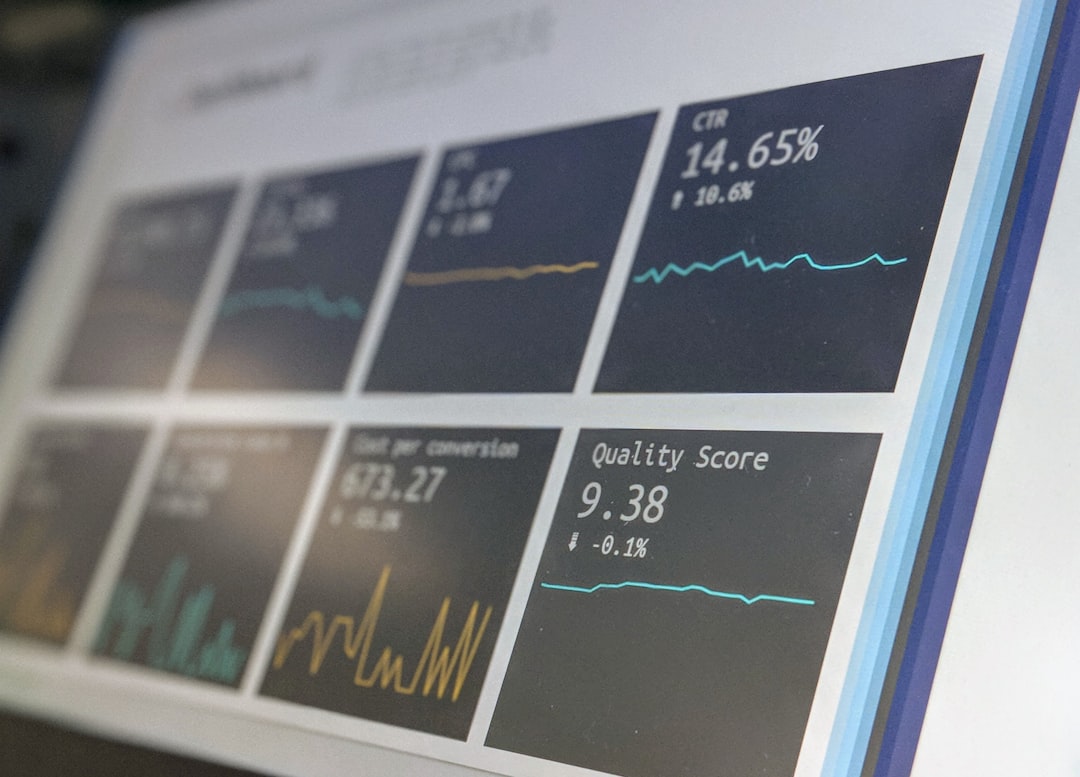
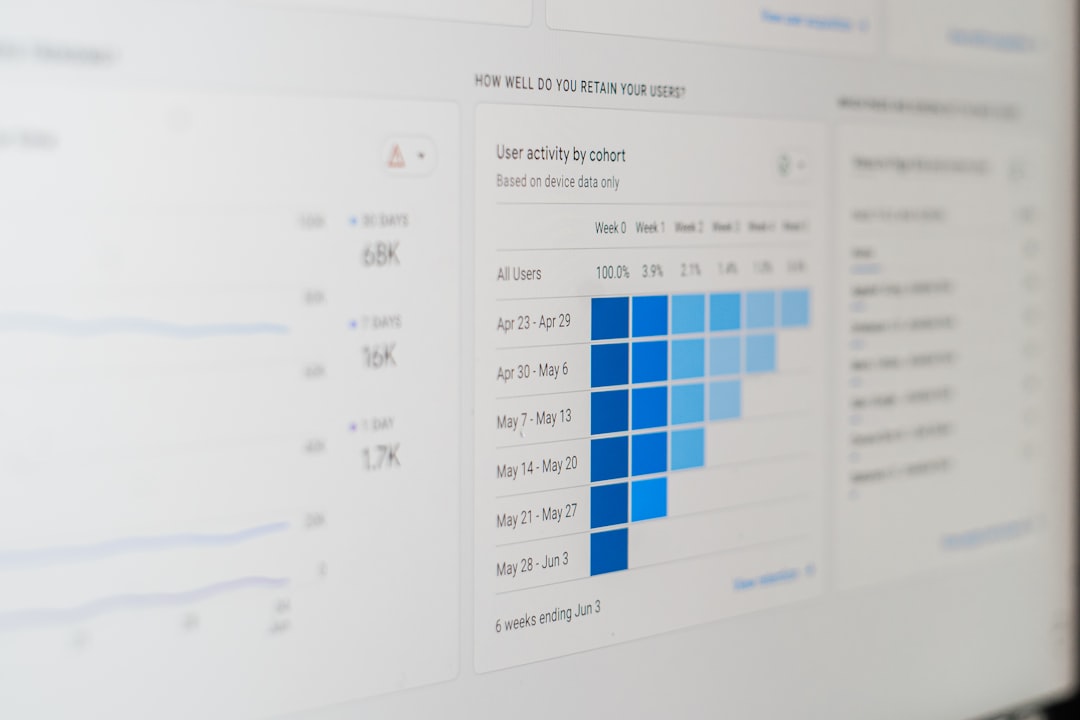
For many organizations, the main advantage is not simply speed. It is the combination of scale, structure, and measurable performance. Managers can analyze answer rates, call completion rates, conversion rates, objections, and escalation reasons in near real time.
Common Use Cases
Outbound AI voice agents can be applied across many industries. Their strongest use cases usually involve repeatable conversations where the expected outcomes are clear.
1. Lead Qualification and Sales Follow-Up
Sales teams often lose opportunities because leads are not contacted quickly enough. An outbound AI voice agent can call new leads within seconds, ask qualifying questions, confirm interest, and book a meeting with a sales representative. It can also re-engage older leads with a short conversation, such as asking whether they are still interested in a product demo or pricing consultation.
2. Appointment Reminders and Scheduling
Healthcare clinics, salons, repair services, real estate agencies, and financial advisors can use AI voice agents to confirm appointments and reduce no-shows. If a customer needs to reschedule, the agent can offer available time slots and update the calendar automatically.
3. Payment Reminders and Collections
Financial institutions, subscription businesses, utilities, and service providers may use AI agents to remind customers about overdue payments. The agent can provide balance information, explain payment options, and transfer the customer to a secure payment channel or a human specialist when needed.

4. Customer Feedback and Surveys
After a purchase, appointment, delivery, or support interaction, an AI voice agent can call customers to collect feedback. Voice surveys may achieve better engagement than email in some cases because they feel more immediate and conversational. The agent can ask rating questions, capture comments, and flag dissatisfied customers for follow-up.
5. Recruitment and Candidate Screening
Recruiters can use outbound AI voice agents to contact applicants, confirm availability, ask basic screening questions, and schedule interviews. This can be useful when hiring for high-volume roles, seasonal positions, or distributed teams.
6. Public Sector and Emergency Notifications
Government agencies, schools, and community organizations can use AI calling to share urgent updates, confirm receipt of information, or guide residents through next steps. In these cases, the system must be designed with extra care to ensure accuracy, accessibility, and trust.
Challenges and Risks
Despite the benefits, outbound AI voice agents introduce several challenges. Organizations must handle these carefully to avoid damaging trust or violating regulations.
- Compliance requirements: Many regions have strict rules around automated calls, consent, opt-outs, call recording, and telemarketing. Businesses must follow laws such as TCPA, GDPR, and other local privacy or communications regulations.
- Transparency: People should know when they are speaking with an AI agent. Misleading callers into believing they are speaking with a human can create ethical and legal problems.
- Data privacy: AI calling systems may process names, phone numbers, account details, health information, payment status, or other sensitive data. Strong security controls are essential.
- Conversation limitations: AI agents may misunderstand accents, background noise, emotional cues, or unusual requests. Poor handling can frustrate customers.
- Brand perception: If calls feel intrusive, robotic, or excessive, customers may view the organization negatively.
- Integration complexity: To be effective, the agent often needs access to CRM data, scheduling tools, payment systems, ticketing platforms, and analytics dashboards.
These challenges do not mean that outbound AI voice agents should be avoided. Rather, they show that implementation must be thoughtful. A successful program usually includes human oversight, clear escalation paths, strong consent management, and ongoing performance monitoring.
Best Practices for Implementation
Organizations considering outbound AI voice agents should begin with a narrow, well-defined use case. For example, appointment confirmations may be easier to automate than complex sales negotiations. Starting small allows the business to test scripts, monitor customer reactions, and improve the agent before expanding.
- Define the goal: The organization should decide whether the agent is meant to book meetings, reduce no-shows, collect feedback, qualify leads, or recover payments.
- Use clear scripts: Conversations should sound natural but remain focused. The AI should avoid long explanations unless the caller asks for more detail.
- Disclose AI usage: The call should clearly state that the person is speaking with an automated voice agent.
- Offer an easy opt-out: Recipients should be able to stop future calls or request a human representative.
- Monitor performance: Metrics such as answer rate, completion rate, transfer rate, sentiment, and conversion rate should be reviewed regularly.
- Escalate when needed: The system should quickly transfer calls involving complaints, sensitive topics, or complex questions.
The Future of Outbound AI Calling
Outbound AI voice agents are likely to become more natural, personalized, and context-aware. As voice models improve, conversations may feel less scripted and more adaptive. The technology may also become more integrated with customer data platforms, allowing agents to reference recent purchases, support cases, preferences, or appointment history.
However, the future of this technology will depend heavily on trust. Organizations that use AI voice agents respectfully, transparently, and responsibly may gain efficiency without sacrificing customer relationships. Those that overuse automated calling or ignore consent may face complaints, blocked numbers, regulatory penalties, and reputational harm.
FAQ
What is an outbound AI voice agent?
An outbound AI voice agent is an automated system that places phone calls, speaks with people, understands responses, and completes tasks such as scheduling, reminders, surveys, or lead qualification.
How is it different from a robocall?
A traditional robocall usually plays a fixed recorded message. An AI voice agent can have a two-way conversation, respond to questions, and take actions based on the caller’s replies.
Which industries use outbound AI voice agents?
Common industries include sales, healthcare, finance, insurance, recruitment, education, real estate, utilities, and customer service operations.
Are outbound AI voice agents legal?
They can be legal when used correctly, but organizations must follow applicable rules on consent, disclosures, opt-outs, call recording, and data privacy. Legal requirements vary by location and use case.
Can an AI voice agent replace human callers?
It can replace some repetitive calling tasks, but it is usually most effective when it supports human teams. Complex, emotional, or high-value conversations often still require human involvement.
What metrics should businesses track?
Important metrics include answer rate, call completion rate, conversion rate, opt-out rate, escalation rate, customer sentiment, average call duration, and cost per successful outcome.