
For a blog to attract steady, relevant visitors, it needs more than good writing. Search engine optimization helps each post become easier for search engines to understand and easier for readers to discover. When a blogger uses SEO consistently, the blog can grow from occasional traffic spikes into a reliable source of organic visits.
TLDR: SEO helps a blog gain more visitors by matching content with what people are already searching for. A blogger should focus on strong keyword research, helpful content, clean structure, internal links, fast page performance, and regular updates. The best results usually come from consistent improvements rather than one-time changes.
Understanding the Role of SEO in Blog Growth
SEO, or search engine optimization, is the process of improving a blog so that search engines can rank its pages more accurately. When a post answers a real question, loads quickly, and is organized clearly, it has a better chance of appearing in search results. Higher visibility often leads to more visitors without needing to rely entirely on paid promotion.
A strong SEO strategy begins with the reader. Search engines are designed to recommend content that satisfies user intent, so a blog should focus on being useful, trustworthy, and easy to navigate. Instead of trying to manipulate rankings, a blogger should create content that deserves to rank.
Start with Keyword Research
Keyword research shows what people type into search engines. It helps a blogger understand the language, questions, and problems of the target audience. Without keyword research, a post may be well written but disconnected from actual search demand.
A blogger can begin by identifying broad topics related to the blog’s niche, then narrowing them into specific phrases. For example, a food blog might move from healthy recipes to easy healthy breakfast recipes or high protein breakfast ideas. Specific keywords are often easier to rank for and usually attract visitors with clearer intent.
Useful keyword types include:
- Informational keywords: Phrases used when a reader wants to learn something, such as “how to start a travel blog.”
- Comparison keywords: Phrases used to compare options, such as “best cameras for bloggers.”
- Long tail keywords: Longer, more specific phrases that often have lower competition.
- Question keywords: Searches beginning with words like what, why, how, and when.
Match Content to Search Intent
Search intent is the reason behind a search. A visitor searching for “how to use SEO for a blog” is probably looking for a practical guide, not a sales page or a short definition. If the content does not match the intent, visitors may leave quickly, which can weaken performance over time.
Before writing, a blogger should examine the top-ranking pages for the target keyword. If most results are step-by-step guides, the new post should also provide a complete guide. If the results are lists, templates, or comparisons, the post should meet that expectation while adding something better, clearer, or more current.
Create High-Quality, Helpful Content
Quality content remains the foundation of SEO. A blog post should answer the main question thoroughly and provide related details that make the topic easier to understand. Search engines increasingly reward content that demonstrates experience, expertise, and usefulness.
Strong blog content often includes:
- A clear introduction that tells readers what they will learn.
- Logical headings that break the article into readable sections.
- Practical examples that make advice easier to apply.
- Original insight based on research, experience, or analysis.
- A helpful conclusion or next step for the reader.
A blogger should also avoid filling posts with unnecessary words. Longer content is not automatically better. A post should be as detailed as the topic requires, but every section should serve the reader.
Optimize Titles, Headings, and Meta Descriptions
The title is one of the first things searchers see. It should include the main keyword naturally while making the benefit clear. A title such as How to Use SEO to Drive More Visitors to a Blog is direct because it explains both the topic and the outcome.
Headings also help readers and search engines understand the structure of a page. The main heading should describe the article, while subheadings should organize key points. Good headings make a post easier to scan, which is especially important for visitors reading on mobile devices.
A meta description does not directly guarantee higher rankings, but it can improve clicks from search results. It should summarize the post in a compelling way and encourage the right audience to visit.
Use Internal Links Strategically
Internal links connect one page of a blog to another. They help visitors discover related content and help search engines understand the relationship between posts. When used well, internal links can spread authority across the site and keep readers engaged for longer.
For example, a blog post about keyword research could link to posts about content planning, blog writing, or analytics. The anchor text should describe the linked page clearly. Instead of using vague text like click here, a blogger should use descriptive phrases such as blog content planning guide.

Improve Page Speed and Mobile Experience
Technical performance affects both rankings and reader satisfaction. If a blog loads slowly, visitors may leave before reading the first paragraph. A mobile-friendly layout is also essential because many readers browse from phones and tablets.
To improve performance, a blogger can compress images, remove unnecessary plugins, use reliable hosting, and choose a clean theme. Images should be sized correctly and include descriptive alt text when appropriate. Alt text helps with accessibility and gives search engines more context about the image.
Build Trust with Backlinks
Backlinks are links from other websites to a blog. They act as signals of trust, especially when they come from relevant and reputable sources. Although backlinks can be difficult to earn, they can significantly improve a blog’s visibility.
A blogger can attract backlinks by publishing original research, expert interviews, strong tutorials, infographics, or data-based articles. Guest posting on respected sites and participating in industry conversations may also help. However, buying low-quality links or joining link schemes can damage long-term SEO performance.
Update Older Blog Posts
SEO is not only about publishing new content. Older posts can become outdated, lose rankings, or miss new keyword opportunities. By reviewing and improving existing articles, a blogger can often increase traffic without starting from scratch.
Useful updates include adding current information, improving headings, fixing broken links, refreshing examples, and expanding thin sections. If a post already receives some search traffic, even small improvements may produce noticeable gains.
Track Results and Adjust the Strategy
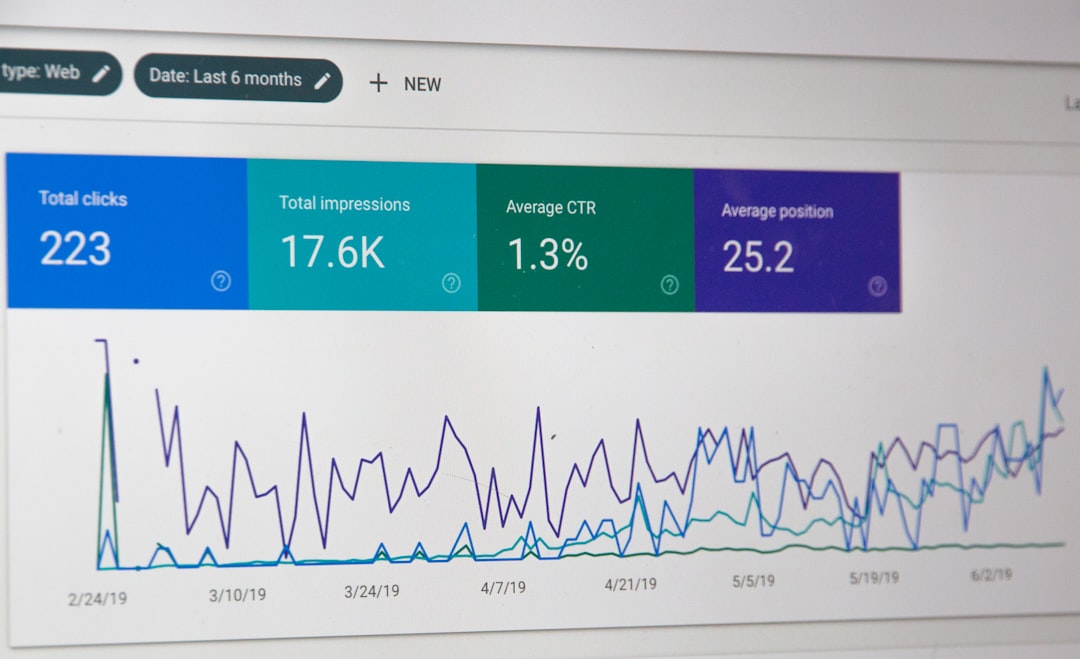
SEO works best when decisions are based on data. Analytics tools can show which posts attract visitors, which keywords bring impressions, and where readers leave the site. This information helps a blogger identify what is working and what needs improvement.
Important SEO metrics include:
- Organic traffic: The number of visitors arriving from search engines.
- Click-through rate: The percentage of searchers who click a result.
- Average position: The typical ranking of a page for selected queries.
- Bounce rate or engagement: Signals showing how readers interact with the content.
- Conversions: Actions such as newsletter signups, purchases, or inquiries.

Conclusion
SEO can drive more visitors to a blog when it is treated as an ongoing content and user experience strategy. A blogger should research keywords, understand search intent, publish genuinely helpful posts, improve site performance, and measure results over time. With patience and consistency, SEO can turn a blog into a dependable source of targeted organic traffic.
FAQ
How long does SEO take to increase blog traffic?
SEO usually takes several weeks to several months to show meaningful results. The timeline depends on competition, content quality, site authority, and how consistently the blog is improved.
How often should a blogger publish new posts?
A blogger should publish as often as quality can be maintained. One strong, optimized post each week is often better than several weak posts that do not fully answer reader questions.
Are keywords still important for blog SEO?
Yes, keywords remain important because they reveal what readers are searching for. However, they should be used naturally within helpful content rather than repeated excessively.
Can a small blog rank in search results?
A small blog can rank by targeting specific long tail keywords, creating in-depth content, and building topical authority over time. Competing on focused topics is often more realistic than targeting broad, highly competitive terms.
What is the biggest SEO mistake bloggers make?
One common mistake is writing without understanding search intent. Even well-written content may struggle if it does not match what searchers expect to find.