Free gas sounds like a dream. Your tank is empty. Your wallet is tired. Then you see a post that says, “Get a $100 gas card today!” Nice, right? Maybe. Some free gas promotions are real. Others are sneaky traps wearing a shiny coupon hat.
TLDR: Real free gas offers usually come from known brands, grocery rewards, credit card perks, or trusted apps. Scams often ask for fees, passwords, gift card codes, or “urgent” sharing. For example, if a grocery app gives you 10 cents off per gallon after you spend $50, that is normal. But if a random text says you won $250 in gas and asks for your bank login, run like your fuel light just came on.
Why Free Gas Promotions Are So Popular
Gas is one of those costs that hurts because you see it all the time. You fill up. You blink. The tank is low again.
That is why free gas deals spread fast. People want relief. Brands know this. Scammers know it too.
A real company may offer free gas to:
- Bring new customers into a store.
- Reward loyal shoppers.
- Promote a credit card or app.
- Celebrate a grand opening.
- Run a contest or giveaway.
A scammer wants something else. They want your personal data. Or your money. Or access to your accounts. They may use gas cards as bait because almost everyone needs gas.
What Legit Free Gas Offers Look Like
A legit offer feels boring in a good way. It has rules. It has dates. It has a company name. It does not scream at you in all caps.
Here are common real offers:
1. Grocery Store Fuel Rewards
Many grocery chains have fuel points. You buy food. You earn points. You save money at the pump.
For example, you may earn 1 point for every $1 spent. Then 100 points may give you 10 cents off per gallon. If you buy groceries anyway, this can be a nice win.
2. Credit Card Gas Bonuses
Some credit cards give cash back on gas. This is not “free gas” in the magic sense. But it lowers your cost.
A card might offer 3% cash back at gas stations. If you spend $200 a month on gas, that is $6 back. Not yacht money. But hey, it is a sandwich.
3. Gas Station Loyalty Apps
Big gas brands often have apps. They may offer a welcome bonus, such as 10 or 20 cents off per gallon for your first few fill-ups.
These offers usually require simple steps:
- Download the official app.
- Create an account.
- Pay through the app or enter your rewards number.
- Use the discount before it expires.
4. Local Business Giveaways
Car dealerships, radio stations, churches, and community groups sometimes give away gas cards. These can be real.
But there should be a clear sponsor. There should be a real location. There should be terms you can read without needing a detective hat.
5. Survey or Cashback Apps
Some apps let you earn gift cards by scanning receipts or completing tasks. You may choose gas gift cards as a reward.
Be careful here. Real apps explain how much you earn. Fake ones promise huge payouts for almost no work.
Red Flags That Scream “Scam”
Scammers love pressure. They make you hurry. They make you feel lucky. They make you ignore your brain.
Watch for these warning signs:
- You must pay a fee first. A “free” gas card should not cost $9.95 for handling.
- They ask for your bank login. No gas promo needs that. Ever.
- They ask for your Social Security number. Big nope.
- The link looks weird. It may have misspellings or strange extra words.
- They say you must act in 5 minutes. That is panic bait.
- You must share the post with 20 friends. This often spreads the scam.
- The prize is too rich. A random $500 gas card for clicking one button? Suspicious.
The Classic Fake Gas Card Scam
Here is how it often works.
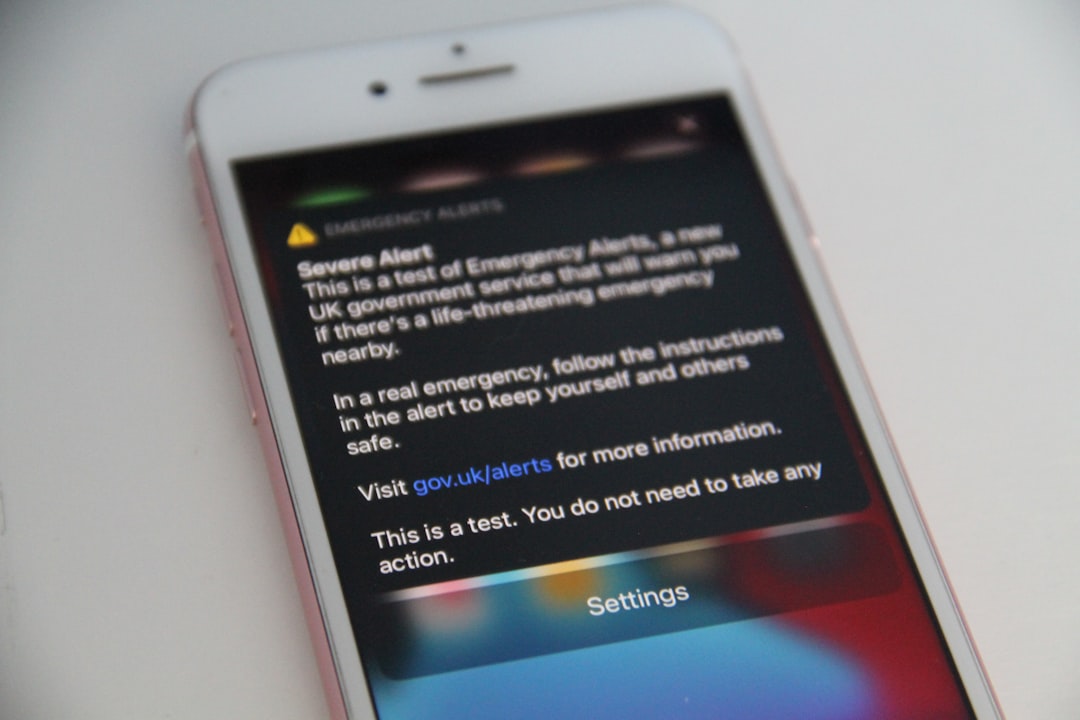
You get a text. It says, “Congratulations! You qualify for a free $100 fuel card.” There is a link. The page looks official. It may even use a real gas station logo.
Then it asks for your name, address, email, and phone number. Next, it asks for a “small shipping fee.” You enter your card. Boom. Now the scammer has your payment details.
In another version, the site asks you to complete “partner offers.” These offers may sign you up for subscriptions. You may end up paying monthly fees for things you never wanted.
The gas card never arrives. Your inbox gets flooded. Your card gets charged. Your mood becomes a flat tire.
How to Check If an Offer Is Real
You do not need to be a cyber expert. You just need a few smart habits.
- Go to the official website yourself. Do not click the link in the message. Type the brand’s website into your browser.
- Check the company’s verified social pages. Real promotions are often posted there.
- Read the terms. Look for start dates, end dates, limits, and sponsor details.
- Search the offer name plus “scam.” If many people complain, believe them.
- Call the store. Ask if the promotion is real.
- Look at the web address. Fake sites often use odd spelling or extra words.
Also, trust your gut. If the offer feels strange, pause. Scammers want fast clicks. Smart shoppers move slowly.
A Simple User Case Scenario
Meet Lena. She drives 40 miles a day for work. She spends about $180 a month on gas.
One week, Lena sees two offers.
The first is from her grocery store app. It says she has 300 fuel points. That gives her 30 cents off per gallon. She fills 12 gallons and saves $3.60. Small win. Real win.
The second offer comes by text. It says she won a $250 gas card. She must pay $4.99 to claim it. The link is not from a real company site. Lena deletes it.
Good move, Lena. She saved money and avoided a scam.
Legit Does Not Always Mean “Worth It”
This is important. Some offers are real but not very useful.
A promotion may require you to spend $100 to save $5. That may be fine if you planned to spend $100 anyway. But it is not great if you buy stuff you do not need.
Ask yourself:
- Would I spend this money anyway?
- Is the discount easy to use?
- Does it expire too soon?
- Is the gas station near me?
- Do I have to join a paid program?
A deal should help you. It should not boss you around.
What to Do If You Fell for a Scam
First, do not panic. It happens. Scammers are good at looking real.
Take these steps fast:
- Call your bank or card company. Report the charge. Ask for a new card if needed.
- Change passwords. Start with your email and financial accounts.
- Turn on two-factor authentication. This adds a second lock.
- Report the scam. Use your local consumer protection agency or fraud reporting site.
- Warn friends. Especially if you shared the fake promo.
If you gave out sensitive information, monitor your accounts closely. Check your credit report if needed. A few minutes now can save a big headache later.
Smart Ways to Save on Gas Without Getting Fooled
You can still chase savings. Just do it safely.
- Use official fuel rewards programs.
- Stack grocery points with gas station discounts when allowed.
- Use a trusted cash back card if you pay it off monthly.
- Compare nearby gas prices with reputable apps.
- Keep tires properly inflated.
- Remove heavy junk from your car.
- Drive smoothly. Your gas pedal is not a drum solo.
Small savings add up. Saving 10 cents per gallon on 40 gallons a month is $4. That is $48 a year. Add cash back and grocery rewards, and your total can grow.
The Bottom Line
Free gas promotions can be real. They can also be fake. The difference is usually in the details.
Real offers come from real companies. They have clear rules. They do not ask for private logins or strange fees. Scams push urgency, big prizes, and shady links.
So enjoy the hunt. Grab the honest discounts. Skip the sketchy stuff. Your car wants fuel, not fraud.