Corporate training is no longer confined to one headquarters, one language, or one cultural context. As companies expand across regions, eLearning content translation becomes essential for delivering consistent onboarding, compliance, product, safety, and leadership training to global teams. But effective translation is not just about swapping words from one language into another; it is about making learning feel clear, relevant, and natural for every employee.
TLDR: The best multilingual corporate training programs combine accurate translation with cultural adaptation, strong terminology management, and careful quality assurance. Start with globally friendly source content, use professional translators with subject expertise, and test courses with local learners before launch. To scale efficiently, combine translation technology with human review, especially for compliance, safety, and technical training.
Why Translation Quality Matters in Corporate eLearning
In corporate training, a mistranslated phrase can do more than confuse learners. It can create compliance risks, safety issues, brand inconsistency, or poor employee performance. For example, a vague instruction in a cybersecurity course might lead to risky behavior, while a poorly localized sales training module may fail to resonate with regional clients.
High-quality multilingual training helps organizations:
- Improve knowledge retention by presenting information in the learner’s preferred language.
- Ensure regulatory consistency across markets and departments.
- Increase employee engagement by making training feel relevant and inclusive.
- Reduce operational errors caused by unclear instructions or cultural misunderstandings.
- Strengthen company culture while respecting local differences.
When employees feel that training was designed with them in mind, they are more likely to complete it, trust it, and apply it in their daily work.
Start With Translation Friendly Source Content
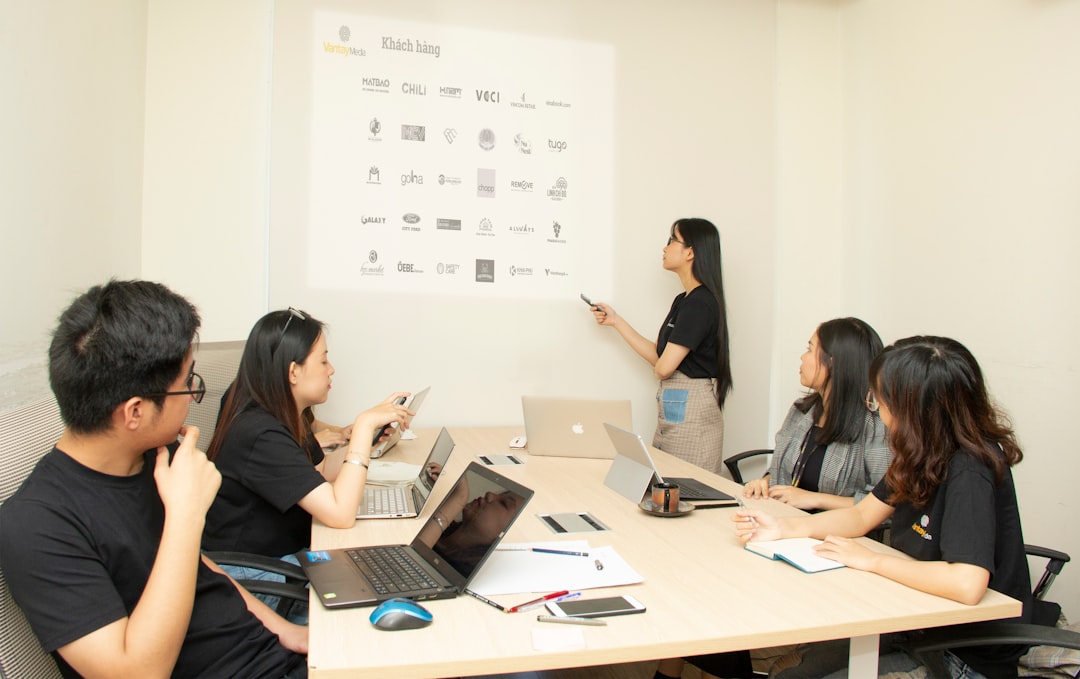
The easiest content to translate is content that was created with translation in mind. Before sending a course to translators, review the original version for clarity, consistency, and cultural neutrality. This process is often called internationalization, and it can save significant time and cost later.
Use concise sentences, avoid slang, and be careful with humor. A joke that works in one country may fall flat or even offend in another. Similarly, idioms such as “hit the ground running” or “move the needle” may not translate naturally. Replace them with direct language such as “begin quickly” or “improve performance.”
It is also important to maintain consistent terminology. If your course uses “customer advisor” in one section and “client consultant” in another, translators may interpret them as different roles. A clear source text produces a clearer translation.
Create a Glossary and Style Guide
A multilingual training project should never rely on guesswork. A terminology glossary and style guide help translators understand your company’s language, tone, and preferred terms.
Your glossary should include:
- Product names and whether they should be translated.
- Department names, job titles, and internal acronyms.
- Technical, legal, safety, or compliance terminology.
- Approved translations for recurring phrases.
- Terms that must remain in English or another source language.
Your style guide should explain the desired tone. Is the course formal or conversational? Should learners be addressed directly? Are there regional preferences, such as Spanish for Mexico versus Spanish for Spain, or French for Canada versus French for France? These decisions should be made before translation begins, not during final review.
Localize, Do Not Merely Translate
Localization adapts content to the learner’s cultural, regional, and practical context. Translation answers the question, “What do these words mean?” Localization asks, “Will this make sense and feel appropriate to this audience?”
Localization may involve changing examples, currencies, measurements, images, names, scenarios, legal references, and communication norms. A workplace ethics scenario set in a U.S. office may need adjustment for teams in Japan, Brazil, Germany, or the United Arab Emirates. Even color choices, gestures, and symbols in visuals can carry different meanings across cultures.
For corporate training, localization is especially important in modules involving:
- Compliance and legal requirements, where laws differ by country.
- Sales and customer service, where buyer expectations vary by market.
- Health and safety, where local regulations and workplace conditions matter.
- Diversity and inclusion, where cultural sensitivity is essential.
Design eLearning Layouts for Text Expansion
Different languages take up different amounts of space. German, French, Spanish, and Russian translations often expand compared with English, while some Asian languages may require less horizontal space but different font considerations. If your course slides, buttons, or captions are tightly packed, translated text may overflow or become unreadable.
To prevent design issues, build flexible layouts from the start. Leave extra space in text boxes, avoid embedding text inside images, and use responsive design when possible. Buttons should accommodate longer labels, and navigation elements should remain clear in all languages.
Also consider right-to-left languages such as Arabic and Hebrew. These may require mirrored layouts, adjusted navigation flow, and careful testing of alignment, punctuation, and interactive elements.
Use Professional Translators With Subject Expertise
Machine translation has improved dramatically, but corporate training often requires more nuance than automated tools can provide on their own. A professional translator who understands the subject matter can identify ambiguity, preserve instructional intent, and adapt terminology correctly.
For specialized courses, choose translators with relevant experience. A medical compliance course, financial risk module, or engineering safety program should be handled by linguists familiar with those fields. This reduces the risk of inaccurate terminology and improves learner confidence.
A strong workflow may combine technology and human expertise. Translation memory tools can reuse approved phrases across modules, improving consistency and reducing cost. However, human review remains essential for tone, accuracy, context, and cultural fit.
Pay Attention to Audio, Video, and Subtitles
Multilingual eLearning often includes more than on-screen text. Voiceovers, subtitles, animations, scenario videos, and interactive simulations all need careful handling.
When translating multimedia, decide whether to use subtitles, AI dubbing, or localized voiceover. Subtitles are cost-effective and useful for accessibility, but they may not be ideal for learners who need to watch detailed demonstrations while reading. Voiceover can create a smoother experience, but it requires script timing, audio production, and synchronization.
Keep scripts slightly shorter when possible. Translated narration may take longer to speak, which can affect animations and slide timing. If an English voiceover fits perfectly into a 30-second segment, the translated version may need 35 or 40 seconds. Planning for this flexibility prevents rushed narration and awkward pacing.

Test Courses With Native Speakers
Quality assurance should be more than a final spell check. Once the translated course is built, test it with native speakers from the target region. Ideally, reviewers should include both language experts and employees who understand the job role or training topic.
During review, check for:
- Accuracy of meaning and terminology.
- Correct display of special characters and fonts.
- Text overflow, broken layouts, and navigation issues.
- Audio synchronization and subtitle readability.
- Cultural appropriateness of images, scenarios, and examples.
- Functionality of quizzes, certificates, and completion tracking.
If the course runs in a learning management system, test it there as well. Completion status, quiz scoring, language selection, and reporting fields should work properly for every localized version.
Build a Scalable Translation Workflow
Many companies begin with one translated course and quickly discover they need ten more. A scalable workflow prevents repeated effort and inconsistent quality. Keep source files organized, maintain version control, and store approved translations in a translation memory database.
It is also wise to create a clear review process. Define who approves terminology, who checks compliance accuracy, and who signs off before launch. Too many reviewers can slow the project, but too few can increase risk. The best process balances speed with accountability.
When updating training, avoid editing only the source language and forgetting localized versions. Changes in policies, product features, or regulations should trigger a review of all affected languages. A centralized content management approach can make these updates easier to track.
Measure Learning Impact Across Languages
After launch, compare performance across language groups. Completion rates, quiz scores, learner feedback, and support questions can reveal whether a localized course is working well. If learners in one region consistently struggle with a module, the issue may be translation quality, cultural relevance, unclear examples, or even technical access.
Collect feedback in the learner’s language when possible. Employees may be more honest and specific when they can explain confusion naturally. Use this feedback to improve future translations and refine your global training strategy.
Final Thoughts
Effective eLearning translation is both a linguistic and instructional design challenge. The goal is not simply to produce multiple language versions, but to deliver training that feels accurate, useful, and engaging in every market. By preparing source content carefully, investing in expert translation, localizing thoughtfully, and testing thoroughly, organizations can create multilingual corporate training that supports real performance.
In a global workforce, language access is more than a convenience. It is a foundation for inclusion, compliance, productivity, and shared understanding. When employees can learn in a language and context that makes sense to them, corporate training becomes not just translated, but truly understood.