The internet most people use every day is only a small part of the digital world. Beneath the websites indexed by Google, Bing, and other search engines lies a much larger region of private databases, password-protected services, hidden forums, and encrypted networks. One of the most misunderstood parts of this hidden landscape is the darknet, a term often surrounded by mystery, fear, and sensational headlines.
TLDR: The darknet is a hidden part of the internet that requires special software, configurations, or permission to access. It can be used for both legitimate purposes, such as privacy protection and whistleblowing, and illegal activity, such as black markets and cybercrime. It is not the same as the entire “deep web,” and simply accessing it is not automatically illegal. Understanding the darknet means separating technical reality from myth.
Understanding the Layers of the Internet
To understand the darknet, it helps to imagine the internet as an iceberg. The visible tip above the water is the surface web: websites that search engines can index and anyone can visit with a normal browser. News sites, online stores, blogs, public social media pages, and informational websites all belong here.
Below that is the deep web, which sounds mysterious but is mostly ordinary. It includes content that is not indexed by search engines because it is private, restricted, or generated dynamically. Your email inbox, online banking dashboard, cloud storage account, medical records portal, company intranet, and subscription databases are all part of the deep web. You access them every day without thinking of them as secret.
The darknet is a smaller section within the deep web. It is intentionally hidden and usually requires special tools to access. Unlike a private banking page, which hides behind a login, darknet sites are often designed to conceal both the visitor’s identity and the server’s location.

So, What Exactly Is the Darknet?
The darknet is a collection of encrypted networks that operate on top of the regular internet but are not accessible through standard browsers or normal web addresses. Instead of visiting a typical .com or .org site, users may access special addresses through privacy-focused software.
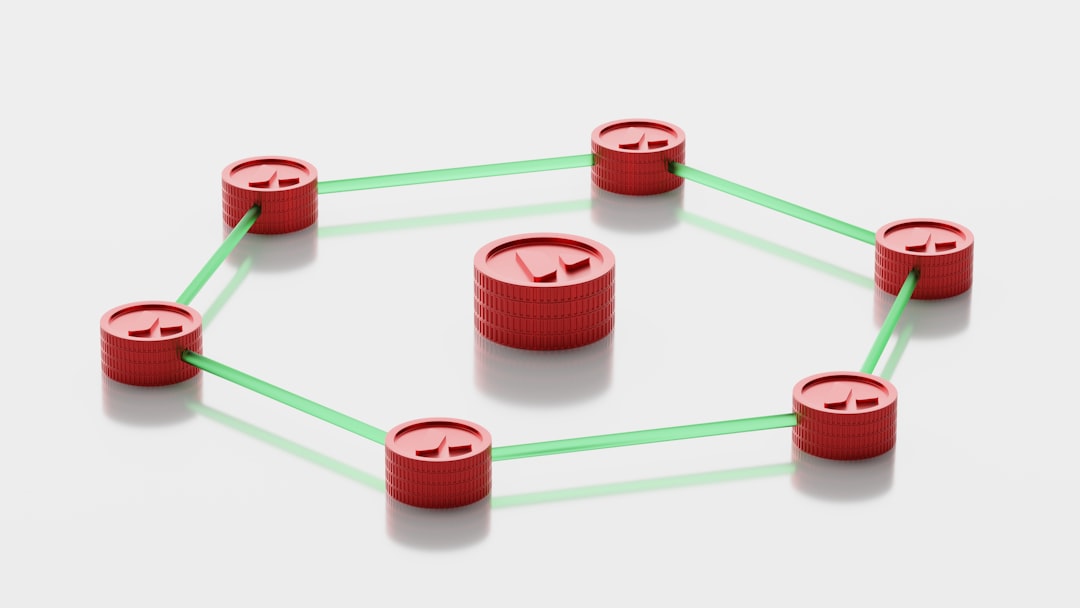
The most well-known darknet network is Tor, short for The Onion Router. Tor routes traffic through multiple volunteer-operated servers, called nodes or relays, before it reaches its destination. Each relay only knows part of the route, making it difficult to trace a user’s activity back to their real-world location. This is why Tor is often compared to layers of an onion: each layer hides the next.
Other darknet systems exist too, including I2P and Freenet, each with its own design and purpose. Some focus on anonymous browsing, while others emphasize private file sharing, censorship resistance, or decentralized publishing.
Why Do People Use the Darknet?
The darknet has a reputation for criminality, but its uses are more varied than many people realize. Like many technologies, it is a tool. Its impact depends on how people use it.
Common legitimate uses include:
- Privacy protection: People may use darknet tools to reduce tracking by advertisers, governments, or malicious actors.
- Journalism and whistleblowing: Reporters and sources can communicate more safely, especially in countries where free speech is restricted.
- Access to censored information: Activists and citizens in authoritarian environments may use hidden networks to reach blocked news sites or communicate securely.
- Research and cybersecurity: Security professionals may monitor darknet forums to learn about emerging threats, leaked data, or cybercriminal tactics.
- Personal safety: Victims of stalking, political persecution, or harassment may seek anonymous ways to communicate or gather resources.
Several major news organizations have created Tor-accessible submission systems so sources can share sensitive documents with reduced risk. Human rights groups have also supported privacy tools for people living under surveillance.
The Dark Side of the Darknet
Of course, the darker reputation of the darknet is not entirely fictional. Its anonymity can attract illegal activity. Hidden marketplaces have been used to sell drugs, stolen data, counterfeit documents, hacking tools, malware, and other illicit goods or services. Some forums specialize in fraud, identity theft, or cyberattacks.
Law enforcement agencies around the world monitor these spaces and have taken down several major darknet markets. The famous Silk Road, launched in 2011, became one of the best-known examples of a darknet marketplace. It was eventually shut down by the FBI, and its founder was arrested and convicted. Since then, many similar markets have appeared and disappeared, often due to police operations, scams, internal theft, or technical failures.
It is important to note that the darknet does not make users magically invisible. Investigators can use operational mistakes, cryptocurrency tracing, malware, undercover accounts, server seizures, and traditional detective work to identify criminals. Anonymity tools can make tracking harder, but they do not guarantee perfect secrecy.
Is the Darknet Illegal?
In many countries, simply accessing the darknet or using Tor is not illegal. Tor itself is a legitimate privacy tool used by journalists, researchers, activists, businesses, and ordinary people. However, what you do on the darknet matters. Buying illegal goods, sharing stolen information, hacking accounts, or distributing prohibited content is illegal regardless of where it happens.
Laws vary by country, and some governments restrict or monitor anonymity tools more aggressively than others. Even when access is legal, users should be cautious. Darknet spaces may contain scams, malware, disturbing material, and law enforcement surveillance. Curiosity alone can expose a person to risks if they click recklessly or download unknown files.
Darknet vs. Dark Web: Are They the Same?
The terms darknet and dark web are often used interchangeably, but they are not exactly the same. The darknet refers to the hidden network infrastructure itself: the systems, protocols, and tools that make anonymous or private access possible. The dark web refers more specifically to websites and services hosted on those networks.
In simple terms:
- Surface web: Public websites indexed by search engines.
- Deep web: Unindexed online content, mostly private or login-protected.
- Darknet: Hidden networks requiring special access tools.
- Dark web: Websites and services found within darknet networks.
This distinction matters because the deep web is not inherently suspicious. Most of it is simply information not meant for public search results. The darknet, meanwhile, is defined by intentional anonymity and restricted access.
How Does Tor Work?
Tor is the most common doorway into the darknet, but it also helps people browse the regular internet more privately. When a user connects through Tor, their traffic is encrypted and routed through several relays. The first relay knows the user’s IP address but not the destination. The middle relay passes traffic along without knowing the full path. The final relay, called the exit node, connects to the destination site if the user is visiting the normal web.
For hidden services, such as sites ending in .onion, the process is different. Both the visitor and the website remain concealed through Tor’s routing system. This allows a site to exist without revealing the physical server that hosts it.
Myths About the Darknet
The darknet attracts myths because it is hidden, technical, and often portrayed dramatically in movies and news stories. A few common misconceptions include:
- Myth: The darknet is only for criminals. In reality, it is also used for privacy, journalism, activism, and research.
- Myth: You cannot be tracked there. Anonymity tools reduce exposure, but mistakes and investigations can still reveal identities.
- Myth: The darknet and deep web are the same. The darknet is only a small, hidden part of the much larger deep web.
- Myth: Everything on the darknet is dangerous. Some resources are harmless or useful, but caution is essential.
Why the Darknet Matters
The darknet matters because it raises important questions about privacy, security, freedom, and responsibility. In a world where digital surveillance, data collection, censorship, and cybercrime are all growing concerns, hidden networks play a complex role. They can protect vulnerable people, but they can also shield harmful behavior.
Rather than viewing the darknet as purely evil or purely heroic, it is more accurate to see it as a powerful technology with competing uses. It reflects the broader internet itself: creative, chaotic, useful, risky, and shaped by human choices.
Understanding the darknet does not mean endorsing everything that happens there. It means recognizing that online anonymity is not automatically suspicious, and that privacy can be essential in both ordinary and extraordinary circumstances. At the same time, anonymity should not be mistaken for immunity. The darknet is hidden, but it is not lawless, and it is certainly not beyond consequence.
Ultimately, the darknet is a reminder that the internet is far larger and more complicated than what appears in a search bar. Beneath the familiar web lies a world built around secrecy, protection, risk, and resistance. Knowing what it is helps separate panic from reality, and curiosity from carelessness.