
Colorado has no shortage of mountain golf courses, but not all high-country rounds feel the same. Some are dramatic, luxury resort experiences built for scenery and special occasions; others are local favorites with walkable layouts, shorter seasons, and a relaxed alpine rhythm. Breckenridge Golf Club sits in a particularly interesting category: it is the only 27-hole Jack Nicklaus-designed municipal golf facility in the world, set at roughly 9,300 feet, with wide mountain views, approachable pricing compared with many resort courses, and enough challenge to keep repeat players engaged.
TLDR: Breckenridge Golf Club stands out among Colorado mountain golf courses because it combines high-altitude scenery, Jack Nicklaus design, and public accessibility in a way many resort courses do not. Compared with courses in Vail, Keystone, Aspen, and Telluride, Breckenridge is often less formal and more flexible thanks to its 27-hole layout. It may not have the ultra-private feel or maximum luxury of some competitors, but it delivers one of the best overall mountain golf experiences for visitors who want great views, strong course design, and a classic Colorado atmosphere.
What Makes Breckenridge Golf Club Different?
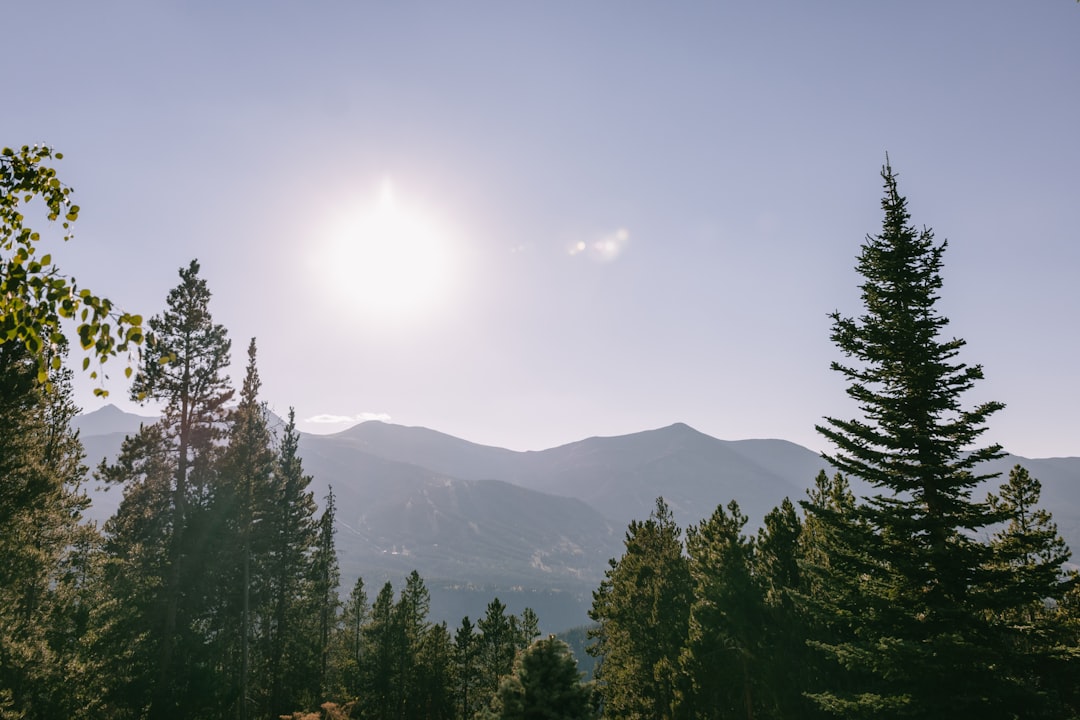
Breckenridge Golf Club is located just north of Breckenridge, Colorado, surrounded by the Tenmile Range and open high-country meadows. The setting is impressive without feeling overly manicured or exclusive. Golfers see snow-streaked peaks, native grasses, wetlands, and occasional wildlife, but the course remains playable and welcoming for a wide range of skill levels.
The club has three nine-hole courses: the Bear, Beaver, and Elk. Each can be paired with another nine to create a different 18-hole route, which gives the facility a major advantage over many mountain courses that offer only one layout. This variety matters, especially for traveling golfers who may want to play more than once during a vacation.
- Bear Nine: Often considered the original and most traditional section, with strategic bunkering and mountain views.
- Beaver Nine: Known for wetland areas, scenic carries, and a peaceful alpine feel.
- Elk Nine: Dramatic, memorable, and slightly more modern in character, with strong elevation and visual interest.
Altitude: The Fun and the Challenge
One of the first things golfers notice in Breckenridge is the altitude. At more than 9,000 feet above sea level, the ball travels noticeably farther than it does at sea level. Depending on temperature, swing speed, and club selection, many players gain roughly 10 to 15 percent more distance. A 150-yard club might suddenly fly 165 yards or more.
That sounds like pure fun, and sometimes it is. There are few feelings better than watching a drive hang in thin mountain air and carry farther than expected. But altitude can also create problems. Approach shots may fly over greens, wedges can feel unpredictable, and uphill or downhill holes demand careful judgment. Breckenridge rewards players who think rather than simply swing hard.
Compared with lower-elevation Colorado courses near Denver or Colorado Springs, Breckenridge feels more extreme. Compared with other mountain courses such as Copper Creek at Copper Mountain, Keystone Ranch, or Raven Golf Club at Three Peaks in Silverthorne, it fits comfortably within the high-altitude category, but its broad layout and multiple nines give players more room to adjust.
Breckenridge vs Keystone Ranch and The River Course
Keystone is one of Breckenridge’s closest competitors, especially for visitors staying in Summit County. Keystone offers two distinct experiences: Keystone Ranch Golf Course and The River Course at Keystone.
Keystone Ranch has a more secluded, rugged feel. It winds through historic ranchland, lodgepole pines, and rolling terrain. It can feel more intimate than Breckenridge, with a strong sense of place and a slightly more remote personality. The River Course, by contrast, is more dramatic and resort-oriented, with elevation changes, water features, and excellent views.
Where Breckenridge wins is variety and flexibility. The 27-hole setup makes tee time management easier and allows golfers to experience different combinations. Keystone may feel more polished in certain areas, particularly for resort travelers who want a packaged stay-and-play experience, but Breckenridge feels more like a true community golf hub. It is lively, scenic, and accessible without losing its mountain character.
Breckenridge vs Raven Golf Club at Three Peaks
Located in Silverthorne, Raven Golf Club at Three Peaks is often mentioned in the same conversation as Breckenridge. The Raven is known for its upscale service, beautiful conditioning, and memorable holes framed by the Gore Range. It has a more refined, semi-private atmosphere and is frequently praised as one of the top mountain courses in Colorado.
If your priority is a polished golf experience with a premium feel, Raven may have the edge. The routing through pines and elevation changes creates a cinematic quality. The course can also feel more demanding from a shot-making standpoint, especially for players who struggle with forced carries or narrow landing areas.
Breckenridge, however, is often more forgiving and more versatile. It has challenge, but it does not always demand perfection. For groups with mixed skill levels, Breckenridge can be less intimidating. It is also better suited to golfers who value repeat play, since rotating among the Bear, Beaver, and Elk nines keeps the experience fresh.
Breckenridge vs Vail Golf Club
Vail Golf Club offers a different kind of mountain golf experience. Set in the Vail Valley with views of the Gore Range, it has a classic resort-town feel and a relatively walkable layout compared with many mountain courses. It is popular, scenic, and convenient for those staying in Vail Village or East Vail.
Vail’s greatest strength is its setting. The valley floor location creates a beautiful, open feel, and the surrounding mountain walls provide a stunning backdrop. The course is generally less dramatic in elevation change than some other Colorado mountain layouts, which can make it more comfortable for walkers and traditionalists.
Breckenridge feels more varied and, in many ways, more adventurous. The Nicklaus design adds strategic weight, and the three-nines format gives it a broader identity. Vail may appeal more to golfers who want a relaxed resort round close to dining, shopping, and lodging. Breckenridge is ideal for those who want their golf to feel integrated into a larger mountain-town adventure.
Breckenridge vs Aspen and Snowmass Courses
Aspen-area golf has a reputation for beauty and exclusivity. Aspen Golf Club, a municipal course, is one of the best public options in the state and offers excellent conditioning, superb views, and a refined playing experience. Nearby private and resort-associated clubs add to the area’s luxury reputation.
Aspen Golf Club is comparable to Breckenridge in one important way: both are public-access courses in famous mountain towns. However, Aspen often feels more polished and perhaps more prestigious, partly because of the destination’s global reputation. Its conditioning is frequently excellent, and the views of the Elk Mountains are hard to beat.
Breckenridge counters with more holes, more variety, and a slightly more relaxed personality. Aspen may win on elegance, but Breckenridge wins on repeatability. For a golfer visiting for a week, 27 holes can make a substantial difference. You can play two or three rounds at Breckenridge and still encounter different routing combinations and different strategic questions.
Breckenridge vs Telluride Golf Club
Telluride Golf Club is one of Colorado’s most spectacular mountain golf settings. Perched high above the town, near the Mountain Village area, it offers jaw-dropping views and a genuine sense of alpine drama. The San Juan Mountains create a backdrop that is arguably among the most beautiful in American golf.
Telluride, however, is more remote. Getting there takes commitment, and the season can be short. The course experience is often tied to the broader Telluride resort atmosphere, which can feel more exclusive and destination-focused than Breckenridge.
Breckenridge is easier to reach from Denver and the Front Range. For many visitors, that is a major advantage. You can fly into Denver International Airport, drive into Summit County, and combine golf with hiking, biking, fishing, shopping, or brewery visits. Telluride may offer more dramatic scenery, but Breckenridge provides a more practical balance of beauty, access, and value.
Course Design and Playability
Jack Nicklaus designs often ask golfers to make decisions. At Breckenridge, that shows up in the placement of bunkers, the angles into greens, and the way water and native areas influence tee shots. The course is not brutally narrow, but it does reward players who choose the right target and club.
One of Breckenridge’s strengths is that it can be enjoyed by different types of golfers. Better players can move back to longer tees and face a serious mountain test. Casual players can choose forward tees and enjoy the views without being punished on every hole. This balance is not always easy to achieve in mountain golf, where terrain can force awkward carries, blind shots, or severe lies.
- For low-handicap players: Breckenridge offers strategic depth, especially when wind and altitude affect club selection.
- For mid-handicap players: The fairways are generally fair, and the scenery keeps the round enjoyable even when the scorecard suffers.
- For beginners: The course may still be challenging, but choosing the correct tees makes it manageable.
Value and Accessibility
Mountain golf in Colorado can be expensive, especially at resort courses during peak summer. Breckenridge is not necessarily cheap, but it often represents strong value because of its design pedigree, scenery, and public accessibility. The municipal ownership model helps it maintain a more community-oriented feel than many resort clubs.
Another advantage is location. Breckenridge has lodging, restaurants, shops, and outdoor activities nearby, making it easy for golfers and non-golfers to enjoy the same trip. In comparison, some other mountain courses are either attached to luxury resorts or located farther from major travel routes. That remoteness can be wonderful, but it can also complicate planning.
Image not found in postmetaSeason, Weather, and Mountain Conditions
Like most Colorado mountain courses, Breckenridge has a relatively short golf season. Play typically runs from late spring or early summer into early fall, depending on snowpack and weather. Conditions can change quickly. A sunny morning can become a cool, windy afternoon, and summer thunderstorms are common in the Rockies.
This is true across nearly all high-country Colorado courses. Vail, Keystone, Copper, Telluride, and Aspen all face similar seasonal limitations. The key is to book early tee times when possible, bring layers, and understand that mountain golf is partly about adapting. The unpredictability is part of the charm.
So, Which Course Is Best?
The answer depends on what kind of golf trip you want. If you want the most luxurious, resort-style experience, courses such as Raven, Telluride, or select Aspen-area options may be more appealing. If you want a walkable course in a famous resort valley, Vail is a strong choice. If you want a dramatic Summit County test with a polished feel, Keystone and Raven deserve serious consideration.
But if you want the best overall blend of scenery, design, variety, access, and mountain-town energy, Breckenridge Golf Club is difficult to beat. Its 27 holes make it more than a one-round novelty. Its Nicklaus design gives it credibility. Its setting delivers the alpine experience people travel to Colorado to find.
Breckenridge Golf Club may not be the most exclusive mountain course in Colorado, and it may not be the most dramatic on every single hole. But it is one of the most complete. For many golfers, that is exactly what makes it memorable: it captures the fun of mountain golf without making the experience feel out of reach.