In 2026, demo automation has become a core part of modern SaaS go-to-market strategy. Sales, marketing, product marketing, and customer success teams use these platforms to deliver consistent product stories, qualify buyers faster, and reduce the burden on solution engineers. The best demo automation tools help companies create interactive demos, personalized product tours, and self-guided buying experiences without relying on live environments for every prospect conversation.
TLDR: The best demo automation tools for SaaS companies in 2026 are those that combine ease of creation, buyer personalization, analytics, and scalability. Platforms such as Walnut, Navattic, Storylane, Reprise, Demostack, Consensus, Supademo, and Arcade serve different use cases, from enterprise sales demos to lightweight product-led growth tours. SaaS teams should choose based on sales motion, audience complexity, security needs, and how deeply demos must integrate with CRM and marketing systems.
Why Demo Automation Matters for SaaS Companies
SaaS buyers increasingly prefer to evaluate products before speaking with sales. At the same time, complex B2B products often require guided storytelling, industry-specific examples, and controlled environments. Demo automation bridges this gap by giving companies a way to show product value without exposing unstable sandbox data or requiring engineering support for every presentation.
For revenue teams, demo automation can shorten sales cycles, improve lead qualification, and make discovery calls more productive. For product marketing teams, it creates a scalable way to explain features, launch new modules, and support campaigns. For customer success teams, interactive demos can also support onboarding, expansion, and feature adoption.

What to Look for in a Demo Automation Tool in 2026
The best platforms in 2026 are no longer simple screen-capture tools. They typically include AI-assisted demo creation, dynamic personalization, engagement analytics, branching paths, and integrations with CRM, marketing automation, and sales enablement platforms.
- Ease of setup: Teams should be able to capture or build demos quickly without heavy technical support.
- Personalization: The platform should allow messaging, data, logos, and workflows to be tailored by account, persona, or industry.
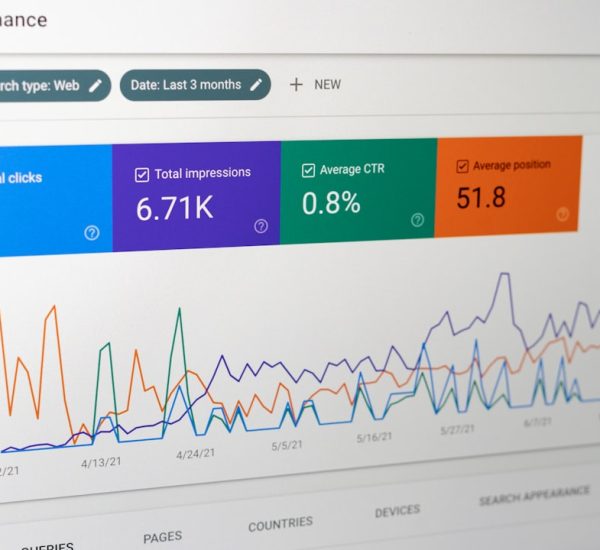
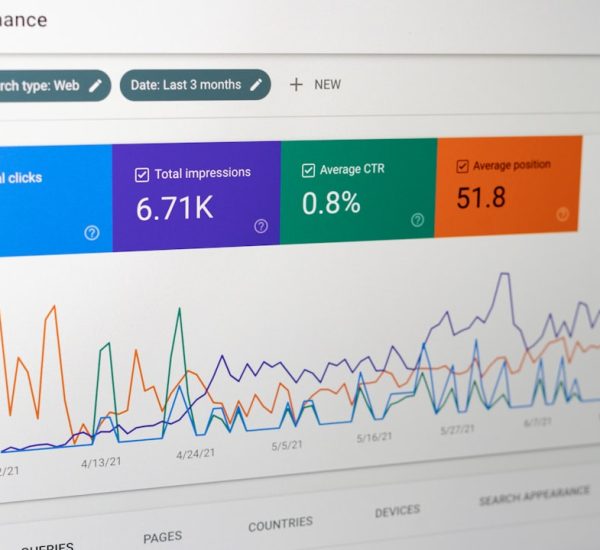
- Analytics: Buyer engagement data should reveal which features, steps, and call-to-action points generate interest.
- Security and governance: Enterprise SaaS companies need control over access, permissions, and sensitive data masking.
- Scalability: The tool should support multiple teams, product lines, languages, and demo libraries.
Best Demo Automation Tools for SaaS Companies in 2026
1. Walnut
Walnut remains one of the strongest options for sales-led SaaS companies that need polished, interactive product demos. It allows go-to-market teams to create click-through demos, personalize them for specific accounts, and track prospect engagement. Walnut is especially useful for mid-market and enterprise teams that want sales representatives to deliver tailored experiences without depending on live product environments.
Its strengths include demo personalization, team collaboration, and buyer analytics. Companies with complex buying committees can use Walnut to create different demo narratives for executives, practitioners, and technical evaluators.
2. Navattic
Navattic is a popular choice for product-led growth and demand generation teams. It is designed to help SaaS companies embed interactive demos on websites, landing pages, and campaign assets. These self-guided demos allow prospects to experience product value before booking a meeting.
Navattic works well for companies that want to convert website visitors, improve trial intent, and provide a hands-on experience without requiring a full signup. Its analytics help teams understand which demo steps attract the most attention and which visitors show strong buying signals.
3. Storylane
Storylane is known for fast demo creation and a flexible balance between guided tours and interactive product walkthroughs. It is often used by marketing, sales, and customer success teams that need to create demos for landing pages, outbound campaigns, onboarding flows, and help content.
Storylane is a strong option for SaaS companies seeking speed and simplicity. Its interface supports teams that need to publish many demos across different use cases without requiring advanced design or development resources.

4. Reprise
Reprise is built for organizations that need advanced demo environments and deeper control over product storytelling. It supports multiple demo formats, including product tours, live overlays, and custom demo applications. This makes it suitable for larger SaaS companies with complex products, sophisticated sales motions, and strict requirements around demo quality.
Reprise is particularly valuable when sales engineers and product marketers need to build highly controlled experiences that look and feel like the real product while avoiding the risks of unreliable live demo instances.
5. Demostack
Demostack focuses on creating realistic demo environments that can be customized for different accounts and industries. It allows teams to clone front-end product experiences and modify data, workflows, and visuals. This is helpful when SaaS companies need demos that feel authentic but must avoid exposing real customer data or depending on backend systems.
Demostack is often a good fit for enterprise SaaS vendors selling into multiple verticals. Sales teams can present industry-specific scenarios, while marketing teams can maintain approved demo narratives and assets.
6. Consensus
Consensus specializes in interactive video demos and buyer enablement. Instead of focusing only on click-through product tours, it helps companies deliver personalized video-based demo experiences at scale. Prospects can select topics that matter to them, and the platform can identify stakeholder interests across a buying committee.
This makes Consensus useful for SaaS companies with long sales cycles and multiple decision-makers. It helps sales teams educate buyers asynchronously and uncover which stakeholders are engaging with which parts of the product story.
7. Supademo
Supademo is a lightweight and accessible tool for creating interactive step-by-step product demos. It is commonly used for sales enablement, customer support, onboarding, and product education. Its main advantage is speed: teams can turn workflows into shareable demos with minimal effort.
Supademo is best suited for SaaS companies that need quick educational demos rather than highly customized enterprise sales environments. It can help reduce support tickets, improve onboarding, and support feature adoption.
8. Arcade
Arcade is a strong choice for product marketing teams that want visually engaging, interactive demos for websites, launches, and campaigns. It emphasizes storytelling, design quality, and ease of sharing. SaaS companies often use Arcade to showcase new features, create product-led content, and make static marketing pages more engaging.
Arcade is particularly effective when the goal is to create attractive product experiences that communicate value quickly. For teams focused on top-of-funnel education and product storytelling, it offers a polished and modern approach.
How SaaS Companies Should Choose the Right Tool
The right demo automation platform depends on the company’s primary use case. A sales-led enterprise SaaS company may prioritize personalization, security, and CRM integration. A product-led company may care more about website embeds, conversion analytics, and fast publishing. A customer success team may value onboarding workflows and reusable training content.
Budget also matters. Some tools are designed for large revenue organizations and come with enterprise pricing, while others are better suited for startups and lean teams. The strongest buying process usually includes a pilot project, a sample demo library, and feedback from sales, marketing, product, and customer success teams.

Demo Automation Trends in 2026
In 2026, AI is playing a larger role in demo creation and optimization. Some platforms can suggest demo flows, generate narration, personalize copy, or recommend next steps based on buyer behavior. Analytics are also becoming more important, as revenue teams want to connect demo engagement with pipeline progression and closed revenue.
Another major trend is the rise of asynchronous selling. Buyers increasingly review demos, business cases, and technical materials on their own schedule. Demo automation tools that support sharing, stakeholder tracking, and personalized follow-up are becoming essential parts of the SaaS sales stack.
FAQ
What is demo automation software?
Demo automation software helps SaaS companies create, personalize, share, and track product demos without relying on live product environments for every prospect or customer interaction.
Which demo automation tool is best for product-led growth?
Navattic, Arcade, and Storylane are often strong choices for product-led growth because they support interactive website demos, campaign experiences, and self-guided product education.
Which tool is best for enterprise SaaS sales?
Walnut, Reprise, Demostack, and Consensus are commonly suited to enterprise SaaS sales because they support personalization, controlled demo environments, stakeholder engagement, and scalable buyer enablement.
Can demo automation replace live sales demos?
Demo automation usually does not fully replace live demos. Instead, it improves them by supporting pre-demo education, follow-up, qualification, and consistent storytelling across the buyer journey.
How should a SaaS company measure demo automation success?
Key metrics include demo engagement, conversion rates, meeting bookings, sales cycle length, product-qualified leads, stakeholder participation, onboarding completion, and influenced pipeline.