Creating animated videos no longer requires a studio, a large production team, or advanced motion design skills. Moovly is one of the platforms that has made animation and video creation more accessible for marketers, educators, business teams, trainers, and content creators. By combining drag and drop editing, ready made templates, stock media, and automation tools, Moovly helps users turn ideas into polished videos without starting from a blank screen.
TLDR: Moovly is an online video creation platform that allows users to make animated videos, presentations, explainer clips, ads, training content, and social media videos. It offers customizable templates, a large media library, text to speech, screen recording, subtitles, collaboration features, and brand controls. The platform is especially useful for people who want professional looking video content without learning complex animation software. Its biggest strength is the balance between creative flexibility and user friendly production tools.
What Is Moovly?
Moovly is a cloud based video creation and animation platform designed for users who want to produce visual content quickly and efficiently. Unlike traditional animation software that may require timeline expertise, keyframe control, and technical rendering knowledge, Moovly focuses on simplifying the process. Users can build videos by selecting scenes, dragging elements onto the canvas, adding text, applying transitions, and exporting the finished result.
The platform supports several types of content, including animated explainers, product videos, educational lessons, corporate presentations, video ads, tutorials, promotional clips, and social media posts. Because it works online, users can access their projects from different devices and collaborate with teams without needing to install heavy software.
Moovly is particularly appealing because it does not limit users to one visual style. You can create whiteboard animations, modern motion graphic videos, presentation style videos, mixed media clips, or videos that combine live action footage with animated overlays.
Key Features of Moovly
Moovly offers a broad collection of features that support the entire video production workflow. From idea development to publishing, the tools are built to help users work faster while still maintaining creative control.
1. Drag and Drop Video Editor
At the heart of Moovly is its drag and drop editor. Users can add images, icons, text, shapes, video clips, audio tracks, and animated objects directly onto the canvas. The timeline allows you to arrange when each element appears, disappears, moves, or changes.
This makes video creation much more approachable for beginners. Instead of manually animating every frame, you can select preset animations, adjust timing, and preview the result instantly. More experienced users can still fine tune the pace and structure of their videos by layering different elements and controlling transitions.
2. Large Media Library
Moovly includes access to stock media assets that can be used to enrich projects. These may include:
- Illustrations for explainer videos and educational content
- Icons for business, technology, health, finance, and lifestyle topics
- Stock photos for professional presentations and ads
- Video clips for dynamic backgrounds and storytelling
- Music tracks to create mood and energy
- Sound effects for transitions, emphasis, and interaction
Having these assets available inside the editor saves time because users do not need to search across multiple websites for visuals and audio. It also helps maintain a consistent look and feel throughout a project.
3. Text to Speech and Voiceover Tools
Voice can dramatically improve the clarity and engagement of a video. Moovly supports text to speech, allowing users to convert written scripts into spoken narration. This is useful for training modules, product explainers, language learning content, and corporate communication.
Users can also upload their own voiceovers or record audio directly. Combining narration with animated visuals makes the final video easier to understand, especially when explaining complex ideas or step by step processes.
4. Screen Recording
For software tutorials, product walkthroughs, and online lessons, screen recording is a valuable feature. Moovly allows users to capture their screen and then edit the recording within the platform. This is especially helpful for creating how to videos, onboarding guides, customer support clips, and internal training materials.
Once recorded, users can add arrows, callouts, captions, zoom effects, and animated highlights to guide viewers through the content.
5. Automated Subtitles
Subtitles have become essential for modern video content. Many viewers watch videos without sound, especially on social media or in workplace environments. Moovly’s subtitle tools help make videos more accessible and easier to follow.
Subtitles can support viewers who are deaf or hard of hearing, improve comprehension for non native speakers, and increase engagement when people are watching on mobile devices. For organizations, subtitles also contribute to a more inclusive communication strategy.
Moovly Templates: A Faster Way to Start
One of Moovly’s strongest advantages is its collection of ready made templates. Templates help users avoid the intimidating blank canvas and provide a structured starting point. Instead of building every scene from scratch, you can select a design, replace the text, swap visuals, adjust colors, and publish a customized video.
Moovly templates are useful for many purposes, such as:
- Explainer videos: Break down ideas, services, or products in a simple visual format.
- Marketing videos: Promote campaigns, offers, launches, and brand messages.
- Educational videos: Create lessons, summaries, quizzes, and instructional content.
- Business presentations: Turn static slides into animated, engaging video presentations.
- Social media content: Produce short videos for platforms such as Instagram, Facebook, LinkedIn, and YouTube.
- Training videos: Develop onboarding materials, compliance lessons, and internal guides.
Templates are especially valuable for teams that need to create content regularly. A marketing department, for example, can build a consistent series of social ads using the same structure but changing the message, product, or call to action. Educators can use templates to produce lessons with a familiar layout, making it easier for students to follow along.
Customization and Branding
While templates are convenient, customization is what makes them truly useful. Moovly allows users to change colors, fonts, images, music, timing, and animation effects. This means a template can be adapted to match a company’s brand identity or a creator’s personal style.
For businesses, brand consistency is important. Videos often appear across websites, email campaigns, social media channels, sales presentations, and internal platforms. Moovly’s branding features help ensure that logos, colors, and fonts remain aligned across different projects.
Users can upload their own media, including logos, product images, recorded footage, and custom graphics. This flexibility allows Moovly videos to feel less generic and more tailored to a specific audience.
Animation Tools and Visual Effects
Moovly includes animation tools that help bring static elements to life. Users can apply entrance effects, exit effects, movement paths, transitions, and timing controls. These tools are important because animation is not only decorative; it helps direct attention and improve storytelling.
For example, a business video might introduce a problem with a character animation, reveal key statistics with motion graphics, and end with a clear call to action. An educational video might animate diagrams, labels, and examples in sequence so learners can absorb information step by step.
Common effects include:
- Fade in and fade out for smooth scene changes
- Slide and zoom for energetic movement
- Hand drawn effects for whiteboard style presentations
- Pop and bounce animations for playful emphasis
- Object motion paths for directional storytelling
The best results usually come from using animation with purpose. Too many effects can distract viewers, but well timed movement can make information clearer and more memorable.
Video Creation for Different Users
Moovly serves a wide range of users because video is now valuable in nearly every field. Marketers can create product promos, customer testimonials, event announcements, and ad campaigns. Teachers and trainers can develop lessons, microlearning videos, and course introductions. HR teams can produce onboarding videos, policy explainers, and company culture content.
Entrepreneurs and small business owners can benefit as well. Instead of hiring a full production team for every update, they can create simple but effective videos for websites, emails, and social media. Nonprofits can use Moovly to explain missions, share impact stories, and encourage donations.
Because the platform includes templates, stock assets, and export options, it can support both quick one off videos and larger content strategies.
Collaboration and Workflow
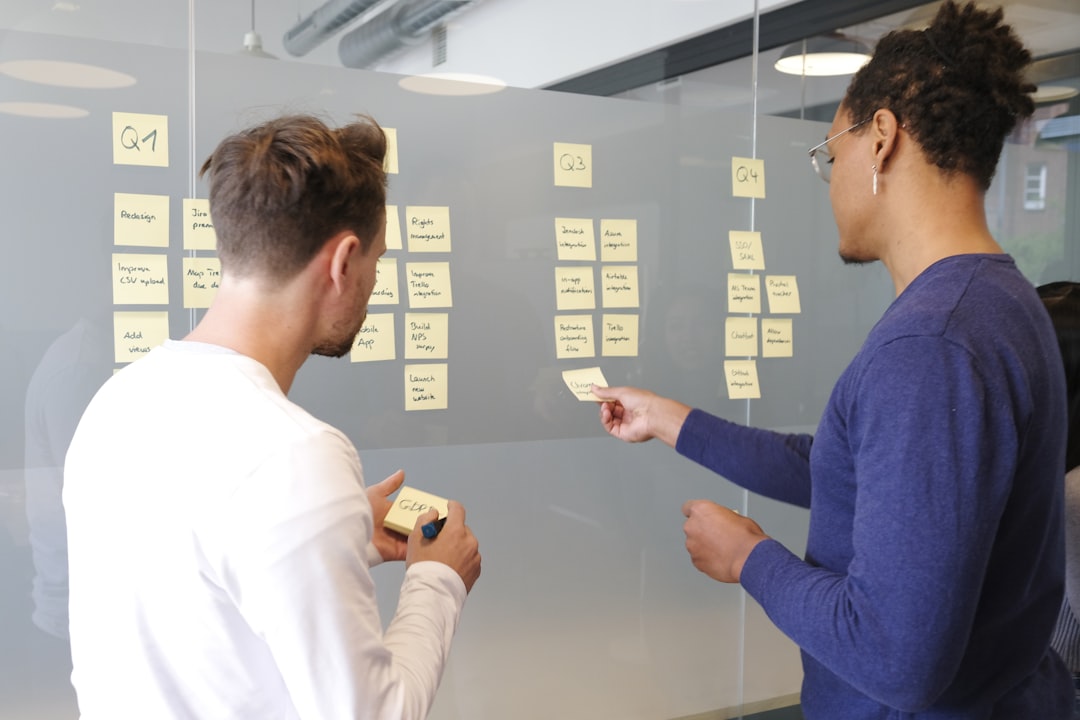
Modern video production often involves multiple people: writers, designers, managers, educators, reviewers, and clients. Moovly provides collaboration features that can help teams work together more efficiently. Cloud based access makes it easier to share projects, review progress, and make updates.
This is especially useful for organizations producing recurring content. A team can create a core template, assign editing responsibilities, review the video, and publish it once approved. The process is faster than passing large video files back and forth or relying on separate tools for every stage.
Publishing and Export Options
After creating a video, users need flexible ways to share it. Moovly allows videos to be exported in common formats and used across different channels. Depending on the project, a video might be downloaded for offline use, uploaded to a learning platform, embedded on a website, or shared on social media.
Before exporting, it is helpful to consider where the video will appear. A square or vertical format may work better for mobile social platforms, while a widescreen format is often better for presentations, websites, and YouTube. Moovly’s editing environment makes it possible to adapt content for different formats and audiences.
Tips for Creating Better Moovly Videos
To get the most from Moovly, it helps to approach video creation with a clear plan. Even simple videos perform better when they are well structured and visually consistent.
- Start with a script: Know what you want to say before designing scenes.
- Keep the message focused: A short, clear video is often more effective than a long, crowded one.
- Use templates wisely: Customize them enough so the final result feels unique.
- Match visuals to the audience: A corporate training video should look different from a playful social media clip.
- Add subtitles: They improve accessibility and help viewers watching without sound.
- Use music carefully: Background music should support the message, not overpower narration.
- End with a call to action: Tell viewers what to do next, such as visit a website, sign up, learn more, or share the video.
Why Moovly Stands Out
Moovly stands out because it combines ease of use with a wide range of practical tools. It is not simply an animation maker, and it is not just a presentation tool. It sits somewhere in between, offering enough creative freedom for engaging video production while still remaining approachable for non designers.
The platform is particularly effective for users who need to produce videos regularly. Templates reduce production time, media libraries simplify asset sourcing, and automation tools such as text to speech and subtitles help speed up repetitive tasks. For businesses and educators, that efficiency can make video a sustainable part of communication rather than a special project reserved for rare occasions.
Final Thoughts
Moovly makes animation and video creation more accessible by giving users a complete set of tools in one online platform. Its templates help people begin quickly, while its customization options allow projects to be adapted for different brands, audiences, and goals. Features such as drag and drop editing, stock media, voiceover tools, screen recording, subtitles, and collaboration support make it useful for a wide range of content needs.
Whether you are creating a product explainer, a training module, a social media video, or an educational lesson, Moovly offers a practical way to turn information into engaging visual stories. For anyone looking to create professional looking animated content without mastering complex software, it is a flexible and compelling option.