Offshore hosting has become a popular choice for publishers, developers, journalists, streaming communities, adult projects, crypto businesses, and privacy-focused site owners who want more control over how their content is handled. The phrase “DMCA-ignored hosting” usually refers to providers located outside the United States that do not automatically remove content after receiving a U.S. DMCA notice. However, it does not mean “lawless hosting” or permission to publish illegal material; every country has its own laws, and serious abuse complaints can still lead to suspension.
TLDR: The best offshore hosting providers for DMCA-resistant projects are typically those with strong privacy policies, non-U.S. jurisdictions, flexible payment options, and clear abuse handling rules. Shinjiru, AbeloHost, OrangeWebsite, VSYS Host, and PRQ are among the most recognized names in this space. Before choosing one, check the provider’s acceptable use policy, data center location, support quality, and refund terms. Offshore hosting can protect legitimate content from overbroad takedowns, but it should be used responsibly and legally.
What Does “DMCA-Ignored” Really Mean?
The Digital Millennium Copyright Act, or DMCA, is a U.S. copyright law that allows rights holders to request removal of allegedly infringing content. Hosting companies based in the United States often respond quickly to DMCA takedown notices because they want to maintain legal safe harbor protections. Offshore hosts, on the other hand, may operate in jurisdictions where the DMCA has no direct legal force.
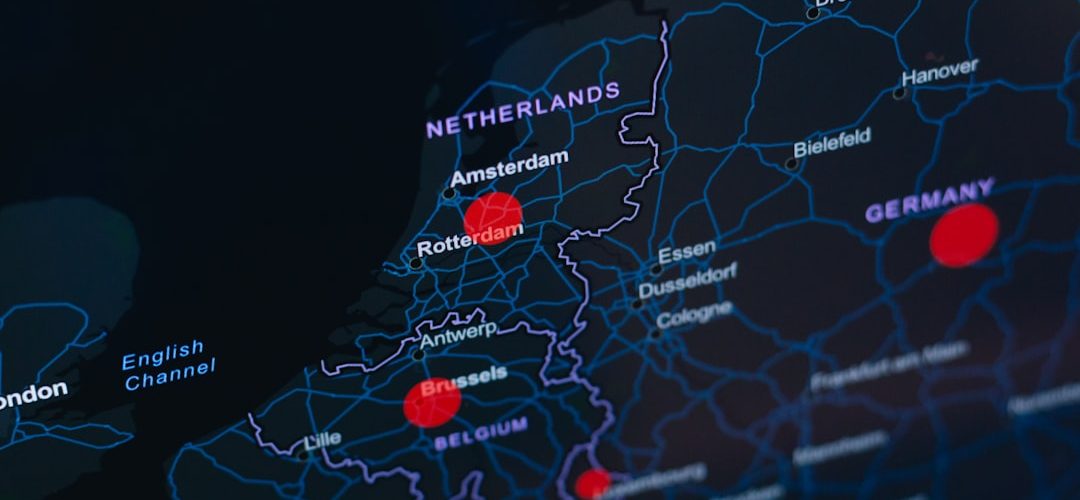
That distinction matters. A provider in Malaysia, Iceland, the Netherlands, Sweden, or another privacy-friendly jurisdiction may review complaints under local law rather than instantly disabling your website. This can help protect blogs, forums, whistleblowing platforms, parody content, politically sensitive material, or archives from abusive or automated takedown requests.
Still, DMCA-ignored does not mean complaint-ignored. Most reputable offshore hosts prohibit malware, phishing, child exploitation material, fraud, spam, and other clearly illegal activity. The best providers are not “anything goes” operations; they are companies that balance privacy, free expression, and legal compliance.
Image not found in postmetaHow to Choose an Offshore Hosting Provider
Before comparing specific companies, it helps to understand what separates a reliable offshore host from a risky one. The cheapest option is rarely the best if uptime is poor, support is slow, or the company disappears after a few months.
- Jurisdiction: Look at where the company is registered and where its servers are physically located. Local law determines how complaints are handled.
- DMCA policy: A good provider explains whether it ignores, reviews, or responds to DMCA complaints and similar notices.
- Privacy: Some offshore hosts accept cryptocurrency, require minimal personal information, or offer domain privacy options.
- Uptime and network quality: DMCA resistance is not useful if your website is constantly offline.
- Support: Offshore hosting can involve migrations, server configuration, and compliance questions, so responsive support is valuable.
- Allowed content: Always read the acceptable use policy. Some hosts allow controversial speech but ban torrents, streaming, adult content, or high-risk file sharing.
1. Shinjiru
Best for: privacy-focused offshore hosting with a long industry history.
Shinjiru is one of the most frequently mentioned names in offshore and DMCA-resistant hosting. Based in Malaysia, the company has been around for many years and markets itself heavily toward privacy, anonymity, and content protection. It offers shared hosting, VPS, dedicated servers, domain services, and DDoS protection, making it a flexible choice for both small websites and larger platforms.
One of Shinjiru’s biggest strengths is its range of hosting locations and privacy-oriented extras. Depending on the plan, customers may be able to use anonymous payment methods, privacy-enhanced domain registration, and offshore server locations. This makes Shinjiru appealing for site owners who want to reduce exposure to automated U.S.-based complaints.
The company is especially popular among customers who need bulletproof-style protection without sacrificing mainstream hosting features. Its plans are usually more expensive than bargain shared hosting, but that is common in the offshore market. The extra cost often reflects higher-risk abuse handling, specialized infrastructure, and privacy support.
- Pros: Established brand, multiple hosting types, privacy features, DDoS options.
- Cons: Pricing can be higher than standard hosting; policies should be reviewed carefully before signing up.
2. AbeloHost
Best for: Netherlands-based offshore hosting with strong value.
AbeloHost is another well-known offshore provider, operating primarily from the Netherlands. The Netherlands has long been associated with internet freedom, strong infrastructure, and relatively balanced content laws. While Dutch hosts are not immune to legal complaints, they are often less reactive to U.S. DMCA notices than American companies.
AbeloHost offers shared hosting, VPS hosting, dedicated servers, and domain registration. It is commonly chosen by bloggers, forums, adult sites, and content-heavy projects that need more flexibility than a typical U.S. host allows. The company’s pricing is often competitive, especially for users who want an offshore VPS or dedicated server without paying premium enterprise rates.
What makes AbeloHost interesting is its practical mix of affordability and offshore positioning. It is not merely a “privacy” brand; it also provides the ordinary features site owners need, including control panels, SSL support, backups, and server management options. For many users, that balance is more useful than extreme anonymity.
- Pros: Good pricing, Netherlands data centers, broad hosting options, suitable for growing projects.
- Cons: Not all controversial content is allowed; response times and policies may vary by service level.

3. OrangeWebsite
Best for: free speech hosting in a privacy-friendly European jurisdiction.
OrangeWebsite is based in Iceland, a country often associated with press freedom, data protection, and a strong tradition of supporting open expression. For publishers, journalists, activists, and independent media projects, Icelandic hosting can be attractive because the local legal culture may be less vulnerable to aggressive foreign takedown pressure.
The provider offers web hosting, VPS plans, dedicated servers, domain names, and related services. OrangeWebsite has also built a reputation for supporting freedom of speech within legal limits. That makes it a common option for websites that publish sensitive commentary, political opinions, or material that may receive complaints from powerful organizations.
OrangeWebsite is not the cheapest provider, but its appeal lies in its jurisdiction and philosophy. Site owners who care about editorial independence may find the premium worthwhile. As always, the company still enforces rules against illegal material and technical abuse, so customers should not interpret its free speech positioning as unlimited permission to host anything.
- Pros: Iceland jurisdiction, strong free speech reputation, privacy-minded services.
- Cons: Can be more expensive; may not be ideal for users who only want very low-cost hosting.
4. VSYS Host
Best for: high-performance offshore VPS and dedicated servers.
VSYS Host is often discussed in the offshore hosting world because it focuses strongly on VPS, dedicated servers, high-bandwidth services, and DDoS-protected infrastructure. The company has positioned itself toward users who need more power and control than simple shared hosting can provide.
For projects such as large forums, video platforms, file-heavy communities, privacy tools, or high-traffic websites, performance matters just as much as takedown resistance. A cheap offshore shared plan may be fine for a small blog, but it will not handle serious traffic spikes. VSYS Host is attractive because it offers more robust server resources and customization options.
Another advantage is flexibility. Users can often choose from multiple server configurations, operating systems, and management levels. This makes VSYS Host a better fit for technically capable site owners who want root access and direct control over server behavior.
- Pros: Strong VPS and dedicated server focus, high bandwidth options, useful for demanding projects.
- Cons: Less beginner-friendly than simple shared hosting; technical server knowledge may be required.
5. PRQ
Best for: politically sensitive and free expression projects.
PRQ is one of the older and more famous names in the offshore hosting conversation. Based in Sweden, it has historically been associated with strong views on free speech and privacy. Over the years, PRQ has hosted controversial and high-profile projects, which has made it both respected and debated in internet infrastructure circles.
Sweden is not a place where laws do not apply, but it has a different legal environment from the United States. For some publishers, that distinction is important. PRQ’s reputation is built less on flashy consumer hosting packages and more on its philosophy of resisting unnecessary censorship and protecting customers from weak or politically motivated complaints.
This provider may not be the best choice for beginners looking for polished dashboards, one-click installers, and hand-holding support. Instead, it is more suitable for users who specifically value principled hosting and understand what they are doing technically and legally.
- Pros: Strong free speech reputation, Swedish jurisdiction, long history in offshore hosting.
- Cons: May feel less mainstream or beginner-oriented; users should verify current offerings and terms.

Offshore Hosting Is Not the Same as Bulletproof Hosting
It is important to separate legitimate offshore hosting from so-called bulletproof hosting. Offshore hosting simply means the provider operates outside your country or outside the reach of certain laws such as the U.S. DMCA. Bulletproof hosting is often associated with ignoring nearly all abuse complaints, including serious criminal activity. Reputable businesses should avoid providers that appear to support malware, phishing, botnets, or fraud.
If your goal is to protect a lawful website from abusive copyright claims, political censorship, or automated takedown campaigns, a respected offshore host can be a smart choice. If your goal is to evade all accountability, you are likely to lose data, face legal risk, or end up with an unreliable provider.
Final Verdict
The best DMCA-resistant offshore host depends on your priorities. Shinjiru is a strong all-around option for privacy-focused users. AbeloHost offers good value in the Netherlands. OrangeWebsite is excellent for free speech projects that benefit from Iceland’s reputation. VSYS Host is better for performance-heavy VPS and dedicated server needs. PRQ remains a notable option for technically confident users who care deeply about expression and resistance to censorship.
Before you buy, read the terms of service, confirm the server location, ask support how they handle DMCA notices, and keep your own backups. Offshore hosting can be powerful, but it works best when paired with responsible publishing, good security, and a clear understanding of local laws.