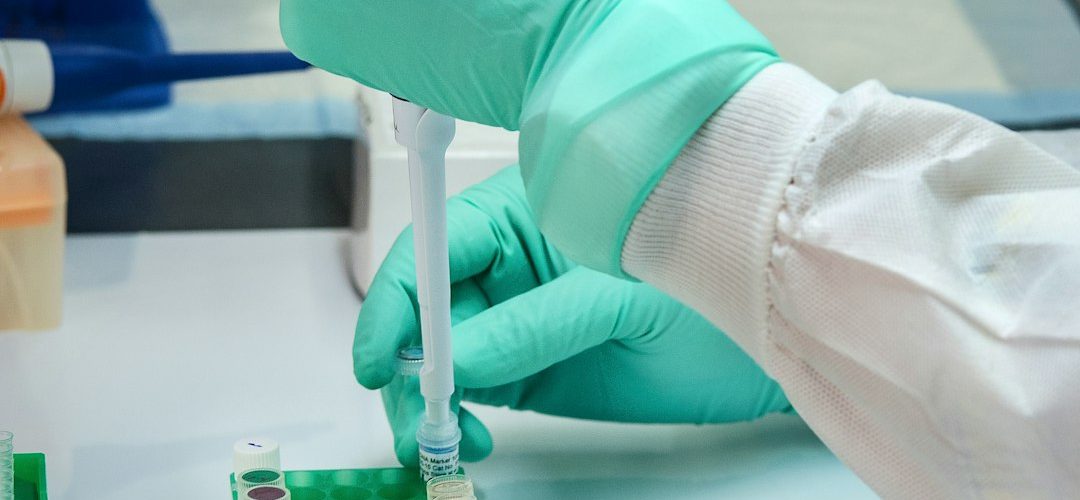
Enumeral is best understood as a specialized biotechnology platform concept associated with single cell immune profiling, antibody discovery, and biomarker focused research. Rather than being a general purpose laboratory software product, Enumeral’s value proposition has historically centered on helping researchers examine immune cells at high resolution, identify rare cellular behaviors, and support early stage therapeutic discovery. This review provides a serious overview of its likely features, pricing considerations, strengths, limitations, and suitability for biotechnology teams evaluating immune analysis platforms.
TLDR: Enumeral is most relevant for research groups working in immunology, oncology, antibody discovery, and cell based assay development. Its strongest use case is identifying rare but biologically meaningful immune cell responses, for example screening 100,000 individual cells to isolate the 0.5% that produce a target binding antibody. Pricing is generally not transparent and should be expected to follow a custom quotation model, depending on project scope, assay complexity, and required support. It is a serious research oriented platform, but buyers should verify current availability, validation data, and commercial terms before committing.
Platform Overview
Enumeral’s core appeal lies in its focus on single cell analysis. Traditional bulk assays can measure average behavior across a population of cells, but they often miss rare subsets that may be key to therapeutic response, resistance, or antibody production. In contrast, a single cell approach allows researchers to observe cell to cell variation, detect low frequency immune events, and generate more granular biological insight.
In biotechnology, this matters because many valuable discoveries begin with rare signals. A small number of B cells may produce a highly specific antibody. A rare T cell subset may correlate with response to immunotherapy. A minor immune phenotype may help explain why one patient group benefits while another does not. Enumeral’s platform positioning aligns with these research priorities.

Key Features
While exact capabilities may depend on the specific implementation, partnership, or service model, Enumeral can be evaluated across several important feature areas.
- Single cell immune profiling: The platform is designed to examine individual immune cells rather than relying only on pooled population averages. This can provide deeper insight into functional diversity.
- Antibody discovery support: Enumeral’s approach is relevant for identifying cells that produce antibodies with desirable binding or functional characteristics.
- Rare cell detection: One of the strongest theoretical advantages is the ability to detect low frequency cellular events that may be missed by standard screening methods.
- Functional assay integration: A useful biotechnology platform should not only identify cell markers, but also connect those markers to function, such as cytokine release, antigen binding, or activation state.
- Immuno oncology relevance: Because cancer immunotherapy depends heavily on immune cell behavior, platforms like Enumeral may be valuable in tumor immunology, immune checkpoint research, and response biomarker exploration.
- Data rich workflow: Single cell methods can generate large, complex datasets that support deeper analysis, stratification, and hypothesis generation.
Pricing and Commercial Model
Enumeral does not appear to fit the pricing model of a standard SaaS product with published monthly tiers. In practice, biotechnology platforms that involve custom assays, laboratory workflows, proprietary analysis, or collaborative discovery programs usually rely on custom pricing. That means buyers should expect to request a formal proposal rather than select a fixed plan online.
Pricing may depend on several variables:
- Number of samples or cells analyzed
- Assay complexity and required optimization
- Type of biological material, such as human blood, tumor samples, hybridomas, or engineered cell lines
- Depth of analytical reporting and bioinformatics support
- Intellectual property terms, especially in antibody discovery or therapeutic development projects
- Turnaround time and priority handling
As a general benchmark, specialized biotechnology service projects can range from several thousand dollars for limited feasibility work to six figures or more for extensive discovery campaigns. However, any precise estimate for Enumeral should be treated cautiously unless provided directly by the company or an authorized commercial representative. A responsible procurement process should include a written scope of work, deliverables, quality controls, data ownership terms, and milestone based payment structure.
Who Is Enumeral Best For?
Enumeral is most suitable for organizations that need more than routine lab testing. Its likely users include biotech companies, pharmaceutical research teams, academic immunology labs, translational medicine groups, and antibody discovery programs.
A typical scenario might involve a small biotech company developing a new immunotherapy. The team has patient derived samples and wants to understand which immune cell subsets respond after treatment. A bulk assay shows a modest increase in inflammatory markers, but it does not explain the mechanism. A single cell platform could reveal that only 3% of T cells show a strong activation signature, and that this subgroup is enriched in responders. This kind of finding could guide biomarker development, patient stratification, or future clinical trial design.
Strengths
The main strength of Enumeral is its alignment with high value biological questions. In modern drug discovery, the ability to characterize individual cells can provide meaningful advantages over older methods. This is especially true in immune biology, where the most important cells may be uncommon, transient, or functionally distinct despite appearing similar by surface markers.
- High resolution insights: Single cell analysis can uncover heterogeneity that bulk methods obscure.
- Therapeutic discovery relevance: The platform is well matched to antibody discovery and immunotherapy research.
- Potential for differentiated data: Findings from rare cell subsets can create valuable intellectual property or support stronger development decisions.
- Research credibility: The scientific rationale behind single cell immune analysis is strong and widely recognized across biotechnology.
Limitations and Risks
The main limitation is transparency. Publicly available information on exact current capabilities, pricing, and commercial availability may be limited, so buyers should conduct careful due diligence. Biotechnology companies can evolve, merge, discontinue platforms, or shift from service models to internal drug development. Therefore, it is important to verify the current status of Enumeral before treating it as an active vendor platform.
There are also technical considerations. Single cell workflows can be sensitive to sample quality, cell viability, batch effects, and analytical assumptions. More data does not automatically mean better conclusions. A strong platform should provide clear validation, reproducibility metrics, controls, and transparent statistical methods.
Potential buyers should ask:
- What sample types are supported and validated?
- What is the minimum cell number required?
- How are rare positives confirmed?
- What quality control thresholds are used?
- Who owns the resulting data, antibodies, or discoveries?
- Can the results be reproduced using orthogonal methods?
Comparison with Alternative Approaches
Enumeral should be compared with other single cell technologies, flow cytometry, droplet based sequencing, hybridoma screening, phage display, and microfluidic antibody discovery platforms. Each approach has tradeoffs. Flow cytometry is mature and scalable but may be limited by marker panels. Single cell RNA sequencing offers broad transcriptomic insight but may not directly measure protein function. Traditional hybridoma workflows are established but can miss rare or fragile clones. Microfluidic platforms can provide functional screening but vary widely in throughput and assay design.
The right choice depends on the scientific objective. If the goal is broad immune landscape mapping, sequencing based tools may be more appropriate. If the goal is functional antibody discovery from rare B cells, a platform emphasizing single cell function and secretion may be more compelling.
Final Verdict
Enumeral represents a serious biotechnology platform category focused on single cell immune analysis and antibody discovery. Its value is strongest in complex research settings where rare cellular events may influence therapeutic development, biomarker discovery, or immunological understanding. For the right team, this kind of platform can turn subtle immune signals into actionable research direction.
However, buyers should approach it as a specialized scientific engagement rather than a simple off the shelf product. The most important steps are to confirm current platform availability, request technical documentation, review validation data, and obtain a detailed quote. If Enumeral’s capabilities align with the project’s biological question and the commercial terms are clear, it may be a valuable option for advanced immunology and biotechnology research.