
An international SEO audit examines how effectively a website reaches, serves, and ranks for audiences across multiple countries, languages, or regions. It goes beyond a standard SEO review by evaluating localization, technical targeting, search behavior, regional competition, and the user experience in each market.
TLDR: An international SEO audit should begin with clear market and language goals, then review technical targeting, hreflang, indexation, content localization, keyword relevance, backlinks, and performance by region. The auditor should compare each market separately because rankings, competitors, and search intent often differ widely. The final output should be a prioritized action plan that fixes technical errors first, then improves localized content and authority.
Step 1: Define the International SEO Scope
Before reviewing data, the auditor should clarify what the website is trying to achieve internationally. A company may target countries, languages, or both. For example, a business might serve Spanish speakers globally, or it might target Spain, Mexico, and Argentina with separate localized pages.
The audit should document:
- Target countries and regions
- Target languages and dialects
- Primary business goals for each market
- Current URL structure, such as subfolders, subdomains, or country code domains
- Priority products, services, or content categories
This step prevents vague recommendations. A website targeting Canada in English and French requires different checks than one targeting five countries in the same language.
Step 2: Review the International URL Structure
The auditor should evaluate whether the site architecture clearly separates markets and languages. Common international SEO structures include country code top-level domains, such as example.fr, subdomains, such as fr.example.com, and subfolders, such as example.com/fr/.
Each option can work, but the structure should be consistent, scalable, and easy for search engines to interpret. The auditor should check whether localized pages are grouped logically and whether URLs use readable language or region indicators. A confusing mix of folders, parameters, and duplicated paths can weaken signals and create crawl inefficiencies.

Step 3: Check Hreflang Implementation
Hreflang tells search engines which version of a page should appear for users in a specific language or region. It is one of the most important elements in an international SEO audit. The auditor should verify that hreflang annotations are present, accurate, reciprocal, and aligned with canonical tags.
Common problems include:
- Missing return tags between alternate pages
- Incorrect language or country codes
- Hreflang pointing to redirected or non-indexable URLs
- Conflicts between canonical and hreflang signals
- Missing x-default for global selector pages
If a French page references an English alternate, the English page should reference the French page back. Without this reciprocal relationship, search engines may ignore the hreflang cluster.
Step 4: Audit Indexation and Crawlability
The next step is to confirm that important international pages can be crawled and indexed. The auditor should inspect robots.txt, meta robots tags, XML sitemaps, canonical tags, redirects, and server responses. Regional pages should not be blocked accidentally or canonicalized to a default global version when they need to rank independently.
The audit should also compare indexed pages against the intended page inventory. If thousands of translated pages exist but only a small percentage are indexed, the site may have quality, duplication, crawl budget, or internal linking issues.
Step 5: Analyze Geo Targeting Signals
Although search engines are more sophisticated than ever, geographic signals still matter. The auditor should review whether each market page provides clear regional relevance. This may include local currency, shipping information, phone numbers, addresses, legal terms, testimonials, and region-specific examples.
For some websites, local hosting or content delivery networks can improve speed and reliability for international visitors. However, technical location alone is less important than the total set of signals that demonstrate relevance to a specific market.
Step 6: Evaluate Keyword Research by Market
International SEO cannot rely on direct translation. Users in different countries often search in different ways, even when they speak the same language. The auditor should review whether keyword targeting reflects real local search behavior, not only translated terms from the original market.
For each target market, the audit should examine:
- Primary and secondary keywords
- Search volume and keyword difficulty
- Local terminology, slang, and spelling variants
- Search intent behind important queries
- Seasonality and regional demand differences
For example, a term that performs well in the United States may have a different popular equivalent in the United Kingdom, Australia, or India. The auditor should identify these differences before recommending content changes.
Step 7: Review Content Localization Quality
Localized content should read naturally and satisfy local search intent. The auditor should assess whether pages are merely translated or genuinely adapted for the market. Strong localization considers culture, laws, units of measurement, currency, product availability, and customer expectations.

Thin or duplicated translated pages can struggle to rank. The auditor should look for pages where headings, metadata, calls to action, FAQs, and examples are too generic. If a page targets Germany, it should feel useful to users in Germany, not like a copied page with only the language changed.
Step 8: Inspect Metadata and On Page Elements
Title tags, meta descriptions, headings, image alt text, structured data, and internal anchors should be reviewed separately for each locale. The auditor should confirm that metadata includes locally relevant keywords and avoids awkward machine-translated phrasing.
Structured data should also match the page’s language and regional details. Product schema, organization schema, ratings, prices, and availability should be accurate for the local version of the page. Incorrect structured data can create trust issues and reduce eligibility for rich results.
Step 9: Assess Internal Linking Across Markets
Internal links help distribute authority and guide search engines through localized sections. The auditor should check whether each language or country section has sufficient internal links from relevant pages, navigation menus, footers, and HTML sitemaps.
Language selectors should link to equivalent pages, not only to the homepage. If a user is viewing a product page in English and selects French, the ideal destination is the same product in French. This also helps search engines understand page relationships.
Step 10: Review Backlinks and Local Authority
A website may have strong authority in its home country but weak visibility abroad. The auditor should evaluate backlinks by market and identify whether local pages attract links from relevant regional domains, publications, bloggers, associations, or business directories.
The backlink review should consider quality, relevance, anchor text, link location, and country-level distribution. If the Spanish section has no links from Spanish-language websites, it may struggle against local competitors with stronger regional trust.
Step 11: Compare Local Competitors
Competitors vary by country, even for the same product category. The auditor should not assume that the global competitors are the same in every search market. A proper audit reviews search results in each target region and identifies which domains rank consistently for priority keywords.
This comparison reveals content gaps, backlink gaps, pricing expectations, SERP features, and format preferences. In some markets, informational guides may dominate; in others, category pages, marketplaces, or local directories may win.
Step 12: Check Site Speed and User Experience by Region
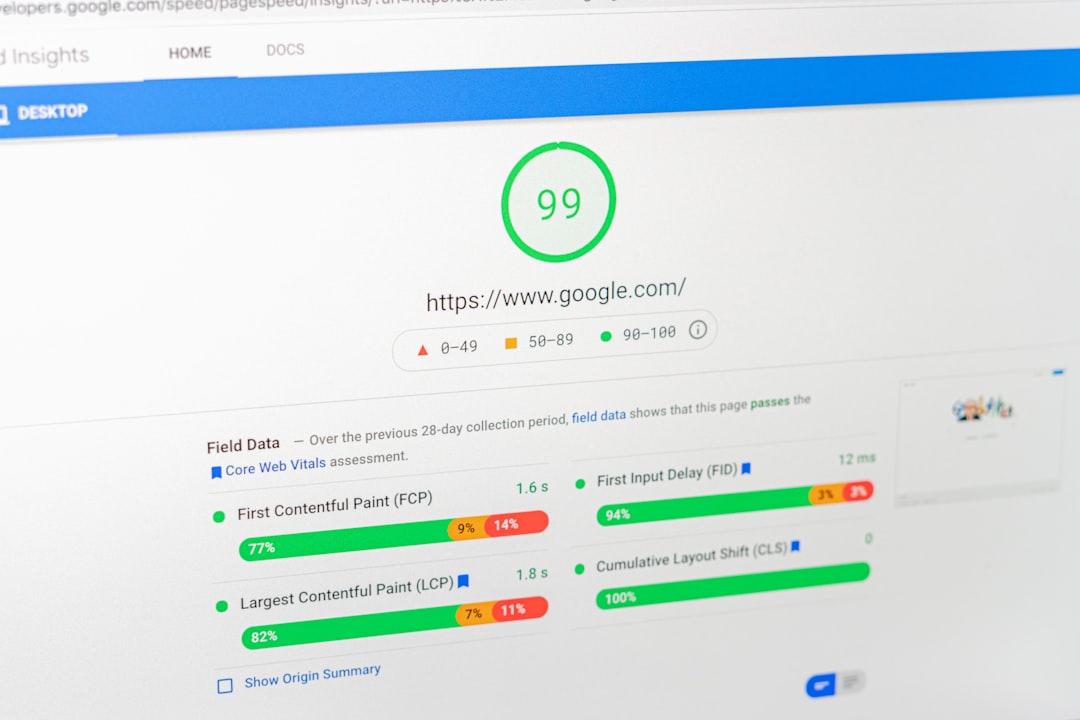
Performance should be measured from the locations being targeted. A site that loads quickly in one country may be slow elsewhere. The auditor should review Core Web Vitals, mobile usability, server response time, image optimization, and script performance for each major region.
User experience also includes local payment methods, form fields, address formats, cookie notices, and customer support options. These details affect engagement, conversions, and indirect SEO performance.
Step 13: Create a Prioritized Action Plan
The final step is to turn findings into a clear roadmap. Technical blockers should usually come first, especially issues affecting indexation, canonicals, hreflang, or crawlability. Next, the auditor can prioritize content localization, keyword improvements, internal linking, and digital PR for local authority.
A strong audit report should include the issue, affected URLs, business impact, recommended fix, priority level, and responsible team. This makes the audit practical instead of theoretical.
FAQ
What is an international SEO audit?
An international SEO audit is a detailed review of how well a website performs across different countries, languages, or regions. It evaluates technical setup, localization, keywords, backlinks, and regional search visibility.
How often should an international SEO audit be performed?
Most organizations should perform a full audit at least once per year. Large international websites or sites entering new markets may need quarterly reviews.
Is hreflang required for international SEO?
Hreflang is highly recommended when a website has similar content in multiple languages or regional versions. It helps search engines show the correct page to the correct audience.
Can translated content rank well?
Translated content can rank, but localized content usually performs better. The page should match local terminology, search intent, culture, and user expectations.
What is the biggest mistake in international SEO?
One of the biggest mistakes is treating international SEO as simple translation. Search behavior, competition, technical signals, and user expectations must be reviewed separately for each market.