Digital advertising works best when it reaches people at the right moment—not merely the right demographic. Someone may fit your ideal customer profile, but if they are not actively considering a purchase, your ad can feel irrelevant or premature. That is where in-market audiences become especially useful: they help advertisers find people who are showing signals that they are ready, or nearly ready, to buy.
TLDR: In-market audiences are groups of users who appear to be actively researching or comparing products and services in a specific category. They are useful when you want to reach people closer to making a purchase decision, especially for search, display, video, and social campaigns. Use them to improve conversion-focused advertising, but pair them with strong creative, landing pages, and remarketing for the best results.
What Are In-Market Audiences?
In-market audiences are audience segments made up of people who have demonstrated recent purchase intent. Advertising platforms identify these users based on behavior such as search activity, website visits, content consumption, product comparisons, reviews viewed, and other engagement signals.
For example, someone who has been reading reviews of hybrid cars, comparing insurance quotes, and visiting dealership websites may be placed into an in-market audience for auto buyers. Another person browsing laptops, reading “best laptop for students” articles, and checking prices across retailers may be categorized as in-market for computers and electronics.
The key idea is simple: instead of targeting people only by who they are, you target them based on what they appear to be preparing to do.

How In-Market Audiences Work
Advertising platforms use large amounts of behavioral data to infer buying intent. While the exact algorithms vary by platform, they generally look for patterns that suggest a user is moving through the decision-making process.
Common signals may include:
- Recent searches related to products, services, pricing, or comparisons
- Visits to relevant websites, such as product pages, review sites, or category pages
- Engagement with ads in a similar industry or product category
- Consumption of buying content, such as “best of” lists, tutorials, and comparison guides
- Repeated behavior that indicates sustained interest rather than a one-time curiosity
This is what separates in-market audiences from broader interest-based audiences. A person interested in fitness might watch workout videos occasionally, but someone in-market for fitness equipment may be comparing treadmills, reading reviews, and checking delivery options. The difference is intent.
Why In-Market Audiences Can Improve Performance
In-market audiences can be powerful because they focus your budget on users who are further along in the buyer journey. Instead of spending heavily to create demand from scratch, you are reaching people who may already be evaluating their options.
This can lead to several advertising benefits:
- Higher conversion rates: Users with purchase intent are more likely to take action.
- Better budget efficiency: Your ads are shown to people who are more likely to care about your offer.
- Shorter sales cycles: In-market users may need less education before converting.
- More relevant messaging: You can write ads that speak directly to comparison, urgency, and decision-making.
For performance marketers, this makes in-market targeting especially appealing for campaigns focused on leads, purchases, bookings, quote requests, app installs, or trial sign-ups.
When Should You Use In-Market Audiences?
In-market audiences are not always the answer for every campaign, but they can be highly effective in the right situations. Here are some of the best times to use them.
1. When You Want More Conversions
If your main goal is to drive sales or leads, in-market audiences are a natural fit. They help you prioritize people who are more likely to be deciding soon. This is particularly useful for industries like travel, automotive, real estate, financial services, software, education, home improvement, and retail.
For example, a moving company could target users in-market for moving services, rental properties, or home services. A software company could reach people actively researching project management tools or business productivity solutions.
2. When You Have a Clear Offer
In-market audiences perform best when your offer is specific and easy to understand. A vague brand message such as “We help you succeed” may not be compelling enough for someone comparing options. Instead, use direct value propositions like “Get a free quote,” “Compare plans,” “Book a demo,” or “Save 20% this week.”
Because these users may already be evaluating competitors, your creative should answer the question: Why choose us now?

3. When Launching Search or Display Campaigns
In-market audiences can work well across multiple channels, but they are especially useful in search and display advertising. In search campaigns, you can observe how in-market segments perform and adjust bids accordingly. In display campaigns, you can reach potential buyers while they browse relevant content across the web.
Video platforms can also benefit from in-market targeting, especially when your product requires explanation. A short video ad can introduce your brand to users who are already considering the category, making them more likely to click and continue researching.
4. When You Need to Scale Remarketing
Remarketing is powerful, but it is limited to people who have already interacted with your brand. In-market audiences help you reach similar high-intent users who may not know you yet. This makes them a useful middle ground between cold prospecting and warm remarketing.
A strong approach is to combine both: use in-market targeting to attract new visitors, then use remarketing to bring them back with more tailored messages.
When In-Market Audiences May Not Be Enough
Despite their advantages, in-market audiences are not magic. They work best as part of a broader advertising strategy. If your landing page is confusing, your offer is weak, or your product has poor reviews, targeting alone will not fix the problem.
There are also situations where in-market audiences may be too narrow or competitive. Popular segments can attract many advertisers, increasing costs. Some niche products may not fit neatly into available audience categories. In those cases, custom intent audiences, keyword targeting, lookalike audiences, or first-party data may be more effective.
Best Practices for Using In-Market Audiences
To get better results, treat in-market targeting as a testing tool, not a set-it-and-forget-it solution.
- Start with relevant categories: Choose audience segments closely tied to your product or service.
- Layer with other targeting carefully: Combining too many filters can shrink your reach too much.
- Match messaging to intent: Use language that helps buyers compare, decide, and act.
- Test multiple creatives: Try different offers, headlines, and calls to action.
- Monitor performance by segment: Some in-market audiences will convert better than others.
- Use remarketing follow-ups: Not every interested buyer converts on the first visit.
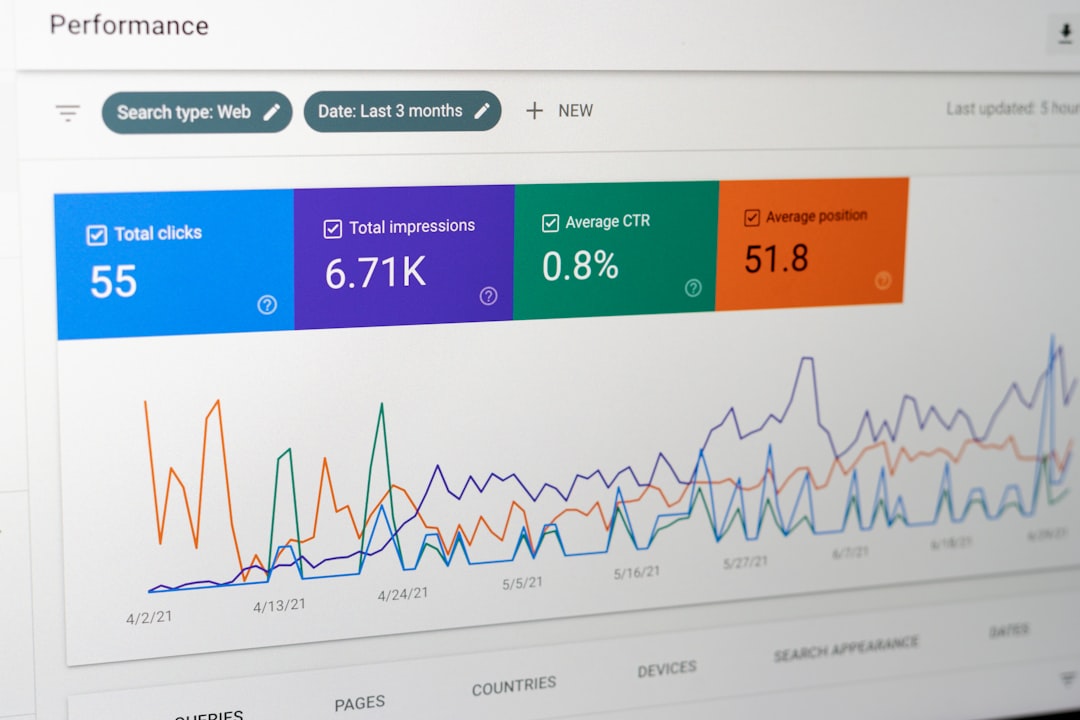
It is also wise to compare in-market audience performance against other audience types. Look at metrics such as conversion rate, cost per acquisition, return on ad spend, and lead quality—not just clicks. A segment with fewer clicks but stronger conversions may be more valuable than a broader audience with cheaper traffic.
How to Write Ads for In-Market Audiences
Because these users may be close to making a decision, your ads should reduce friction and build confidence. Focus on benefits, proof, and urgency. Mention pricing, guarantees, reviews, comparisons, or speed if those factors matter in your category.
For example, instead of saying “Explore our accounting software,” a stronger message might be: “Compare accounting plans built for small businesses—start your free trial today.” This speaks directly to someone who is researching options and looking for a practical next step.
Good calls to action for in-market audiences include:
- Get a quote
- Compare plans
- Book a consultation
- Start a free trial
- Check availability
- Shop best sellers
The Bottom Line
In-market audiences help advertisers reach people who are not just casually interested, but actively considering a purchase. That makes them valuable for campaigns where timing, relevance, and conversion efficiency matter. They can improve advertising performance by connecting your message with users who are already comparing solutions, researching providers, or preparing to buy.
However, they are most effective when supported by strong creative, a clear offer, reliable tracking, and a smooth landing page experience. Use them when your goal is action, not just awareness, and keep testing to find which segments actually produce profitable results. In modern advertising, intent is one of the strongest signals you can use—and in-market audiences are one of the most practical ways to act on it.