For security companies, social media is no longer just a place to post occasional updates. It has become a practical lead generation channel where businesses can build trust, educate prospects, and turn local visibility into qualified inquiries. Because security services rely heavily on credibility, response time, professionalism, and proof of results, the right social media tactics can help companies stand out in a competitive market.
TLDR: Security companies can generate more leads on social media by combining trust-building content, targeted advertising, video, local engagement, and clear calls to action. The most effective strategies focus on educating prospects, showing real-world expertise, and making it easy for potential clients to request a quote or consultation. Consistency, credibility, and audience targeting are key to turning social media attention into sales opportunities.
1. Share Educational Content That Solves Security Concerns
Security companies often serve clients who are uncertain about risks, compliance, technology, or the right type of protection. Social media content should address those concerns directly. Instead of only promoting services, companies can publish posts that explain common security gaps, prevention tips, and signs that a business or property may need additional protection.
Examples of effective educational posts include:
- “5 signs a commercial property needs upgraded surveillance”
- “How mobile patrols reduce after-hours trespassing”
- “What businesses should know before hiring security guards”
- “Simple access control mistakes that create major risks”
This type of content positions the company as a knowledgeable advisor rather than just a vendor. When prospects see consistent, useful guidance, they are more likely to trust the company when it is time to request a quote.
2. Use Targeted Social Media Ads for Local Lead Generation
Organic reach can help build awareness, but paid social media advertising allows security companies to reach decision-makers with precision. Platforms such as Facebook, Instagram, LinkedIn, and YouTube offer targeting options based on location, industry, job title, business size, and interests.
A security company can create campaigns for specific services, such as commercial security guards, event security, alarm monitoring, or video surveillance installation. Ads should speak to a clear problem and include a direct offer, such as a free security assessment, consultation, or quote.
Strong ad messages may include:
- “Protect your warehouse after hours with trained mobile patrols.”
- “Request a free security risk assessment for your office building.”
- “Need licensed event security this month? Speak with a local specialist.”
To generate better leads, companies should send ad traffic to a dedicated landing page rather than a generic homepage. The page should include proof, service details, a simple form, and a strong call to action.
3. Post Client Testimonials and Case Studies
Trust is one of the biggest factors in the security industry. Prospects want to know whether a provider is reliable, trained, responsive, and capable of handling real situations. Social media is an ideal place to share testimonials, reviews, and short case studies.
A security company can turn customer feedback into branded posts, short videos, or carousel graphics. A strong testimonial should highlight a specific result, such as reduced incidents, improved response times, smoother event operations, or better peace of mind for property managers.
For example, a post could explain how a company helped a retail center reduce overnight vandalism through patrol scheduling and camera monitoring. The goal is not to share confidential information, but to show practical outcomes in a professional way.
4. Use Short Video to Demonstrate Professionalism
Video content helps prospects see the company’s team, equipment, processes, and professionalism before making contact. Short videos are especially effective on LinkedIn, Instagram, Facebook, TikTok, and YouTube Shorts.
Security companies can create videos that show:
- Guard training and preparation
- Patrol vehicles and technology in use
- Behind-the-scenes looks at dispatch or monitoring operations
- Explanations of common security risks
- Introductions to management or field supervisors
Videos do not need to be overly polished, but they must look professional and respectful. Clean uniforms, clear audio, good lighting, and concise messaging all matter. A 30-second video that explains how a mobile patrol works can be more persuasive than a long written description.

5. Build Local Authority Through Community Engagement
Many security companies rely on local or regional clients. Social media can help them become more visible in the communities they serve. This means engaging with local business pages, chambers of commerce, property management groups, event organizers, schools, and neighborhood associations.
Companies can comment on relevant local posts, share public safety reminders, highlight participation in community events, and post about local partnerships. This approach increases recognition and can lead to referrals from business owners, facility managers, and community leaders.
Local engagement should remain professional and helpful. A security company should avoid fear-based messaging and instead focus on safety, preparation, and prevention. Over time, consistent community activity helps the company become a familiar and trusted name.
6. Create Lead Magnets That Encourage Contact
Not every prospect is ready to book a service immediately. Some are still researching options or trying to understand their risks. A lead magnet gives them a useful reason to share their contact information.
Effective lead magnets for security companies may include:
- A commercial property security checklist
- An event security planning guide
- A warehouse risk assessment worksheet
- A guide to choosing the right surveillance system
- A free on-site or virtual security consultation
These offers can be promoted through organic posts, paid ads, profile links, and pinned content. Once a prospect downloads a checklist or books an assessment, the company can follow up with helpful emails, phone calls, or retargeting ads.
7. Use Clear Calls to Action and Fast Follow-Up
Many security companies lose leads because their social media content does not clearly tell prospects what to do next. Each post, ad, video, or profile should include a simple call to action. Examples include “Request a quote,” “Schedule a security assessment,” “Call for event coverage,” or “Message the team today.”
Profiles should also be optimized with accurate contact information, service areas, business hours, and links to booking forms or landing pages. If a prospect sends a direct message, the company should respond quickly. In security services, fast communication signals reliability.
Companies can also use automated responses to acknowledge inquiries, but personal follow-up is still important. A lead that asks about guards for a construction site, for example, should receive a timely and specific response that addresses location, hours, risk level, and staffing needs.
Additional Tips for Better Results
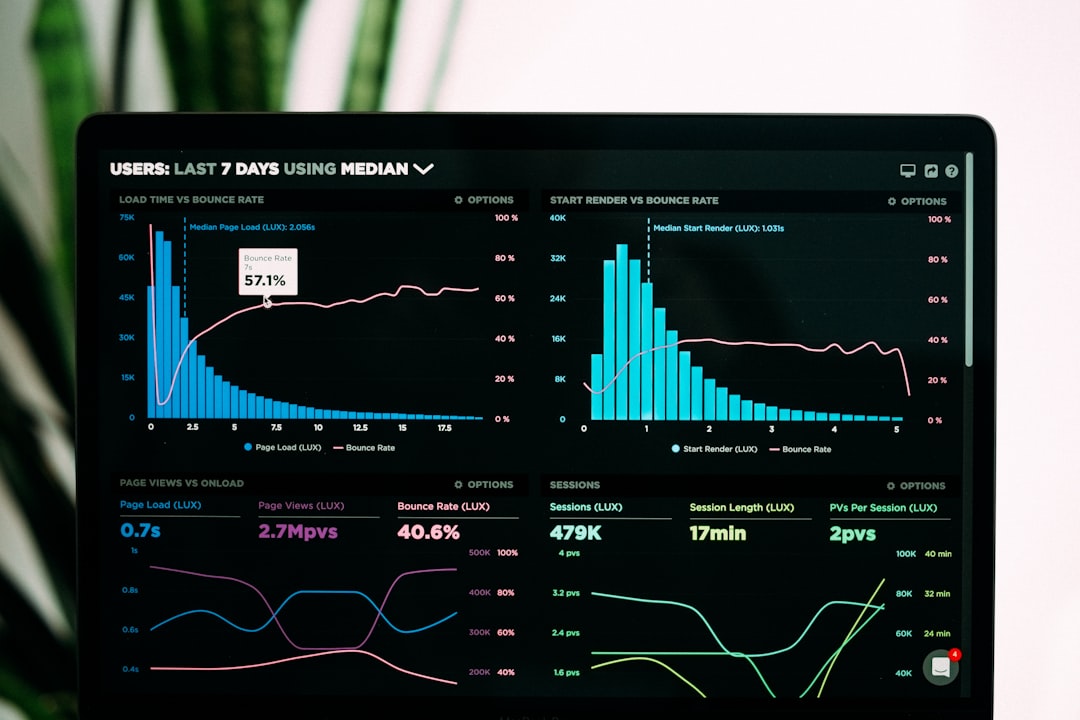
Security companies should track what works. Metrics such as clicks, messages, form submissions, booked consultations, and cost per lead are more important than likes alone. A post that receives fewer reactions but produces consultation requests is more valuable than a viral post with no business outcome.
Consistency also matters. Posting once a month is rarely enough to build trust. A realistic schedule could include two or three educational posts per week, one testimonial or case study per week, and one video every one or two weeks. Paid campaigns can then amplify the best-performing messages.
Finally, the company’s tone should reflect professionalism. Security marketing should create confidence, not panic. The most successful social media presence balances authority, empathy, evidence, and accessibility.
FAQ
Which social media platform is best for security companies?
It depends on the target audience. LinkedIn works well for commercial security, corporate contracts, and B2B leads. Facebook is useful for local awareness, community engagement, and residential or small business services. YouTube and Instagram are strong for video demonstrations and brand trust.
How often should a security company post on social media?
A security company should aim to post consistently, ideally three to five times per week. The schedule should include educational tips, service explanations, testimonials, videos, and local updates.
Should security companies use paid ads?
Yes. Paid ads can help security companies reach specific local decision-makers and generate leads faster than organic posting alone. Campaigns should promote a clear offer, such as a free assessment or quote request.
What type of content generates the most leads?
Content that solves a specific problem usually performs best. Examples include risk checklists, case studies, short explainer videos, testimonials, and posts that invite prospects to schedule a consultation.
How can a security company build trust online?
It can build trust by showing trained staff, sharing client results, posting useful safety advice, responding quickly to inquiries, and maintaining a professional, consistent brand presence across all platforms.