In a crowded digital landscape, audiences rarely stop for ordinary announcements. They pause for mystery, emotion, and the feeling that something worth knowing is about to happen. Teaser photo marketing uses carefully planned visual content to create curiosity before a launch, event, campaign, or reveal. When executed well, it turns a simple image into a conversation starter and transforms passive viewers into people actively waiting for what comes next.
TLDR: Teaser photo marketing builds anticipation by sharing partial, intriguing, and emotionally engaging visuals before a major reveal. Instead of showing everything at once, a brand releases images that hint at a product, event, collaboration, or story. The most effective teaser campaigns use consistency, timing, strong visual direction, and clear audience engagement. When combined with a thoughtful reveal strategy, teaser photos can increase attention, social sharing, and launch-day momentum.
What Is Teaser Photo Marketing?
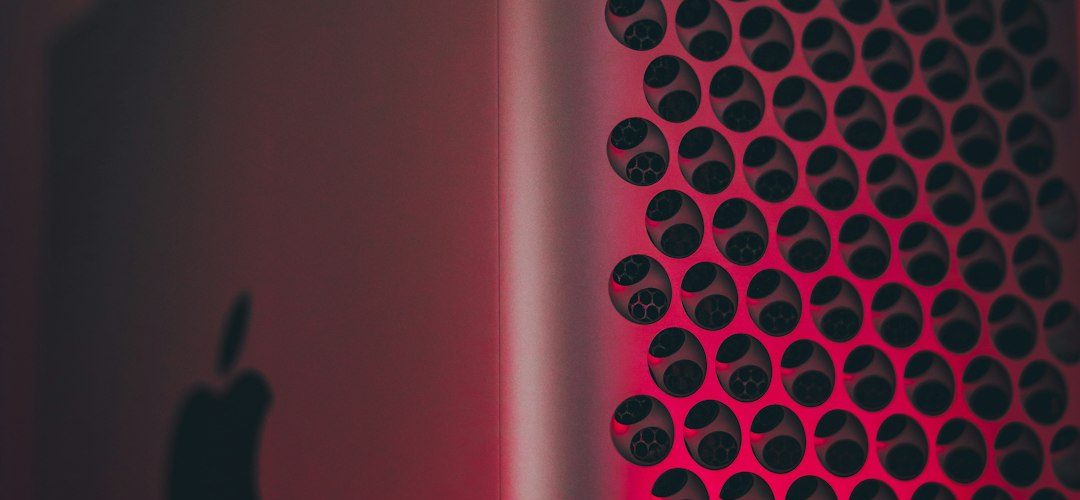
Teaser photo marketing is the strategic use of images to generate interest before fully announcing something. Rather than presenting all details immediately, a brand reveals just enough to make the audience curious. This may include a close-up crop of a product, a shadowed silhouette, a behind-the-scenes detail, a blurred scene, or a symbolic image connected to the upcoming message.
The purpose is not to confuse the audience, but to invite them into a story. A teaser photo acts like a visual clue. It suggests that something meaningful is coming and encourages viewers to look for more information. This makes it especially useful for product launches, seasonal campaigns, brand refreshes, events, entertainment releases, limited collections, restaurant openings, and special announcements.
In many cases, teaser marketing works because people enjoy discovery. When a photo leaves space for interpretation, viewers begin asking questions: What is this? When will it launch? Is this relevant to them? That mental engagement is the foundation of anticipation.
Why Visual Teasers Build Anticipation
Photos can communicate emotion faster than text. A single image can suggest luxury, suspense, warmth, excitement, exclusivity, or nostalgia almost instantly. This speed makes visual content powerful for building anticipation, especially on platforms where users scroll quickly.
Teaser photos work because they use several psychological triggers:
- Curiosity: An incomplete image encourages people to fill in the blanks.
- Exclusivity: A preview makes viewers feel they are seeing something before everyone else.
- Progression: A sequence of images creates a sense of movement toward a final reveal.
- Emotional investment: Strong visuals help people connect with the mood of the campaign before they know all the details.
- Social speculation: Ambiguous images can inspire comments, guesses, and shares.
For a brand, this means the marketing period does not begin on launch day. It begins days or weeks earlier, when the first visual clue appears. By the time the announcement is made, the audience is already warmed up.
The Role of Storytelling in Teaser Photos
A strong teaser image is rarely random. It belongs to a larger story. The brand may want to suggest transformation, innovation, celebration, mystery, or desire. Each image should contribute to that narrative, even if it reveals only a small part of the final message.
For example, a fashion label preparing to launch a new collection might begin with photos of fabric textures, sewing tools, model silhouettes, and mood-setting locations. A restaurant opening might show ingredients, table settings, kitchen flames, or an unopened door. A technology company might reveal reflections, interface details, packaging corners, or dramatic product lighting.
The story should make the audience feel that the reveal is not just an announcement, but an experience. This is where visual consistency matters. Colors, lighting, composition, typography, and captions should all point toward the same mood. If the teaser campaign feels visually scattered, anticipation can weaken because the audience has no clear emotional direction.
How to Plan a Teaser Photo Campaign
Effective teaser photo marketing begins with planning. A brand should not post mysterious images simply because they look interesting. Every teaser should serve a purpose in the campaign timeline.
A strong plan usually includes the following steps:
- Define the reveal: The brand should know exactly what is being teased and what action it wants the audience to take when the reveal happens.
- Identify the audience: The images should reflect what the target audience finds exciting, beautiful, surprising, or valuable.
- Choose the campaign mood: The teaser may feel elegant, playful, futuristic, urgent, romantic, bold, or secretive.
- Create a posting schedule: The brand should decide how many teasers will be shared and when each one will appear.
- Plan the final reveal: The last image or video should connect clearly to every teaser that came before it.
The timeline can be short or long depending on the scale of the launch. A small local promotion may need only three days of teaser photos. A major product release may benefit from several weeks of carefully sequenced content.
Types of Teaser Photos That Work
Different kinds of teaser photos create different responses. The best choice depends on the campaign goal and brand personality.
1. Cropped Detail Shots
A close-up image can reveal texture, color, shape, or material without showing the full subject. This technique is useful for products, packaging, fashion, food, beauty items, and artwork. It gives the audience something real to examine while still preserving mystery.
2. Silhouettes and Shadows
Silhouettes are ideal when the goal is drama. They suggest form without full disclosure. A shadowy figure, covered object, or backlit product can make the reveal feel more cinematic.
3. Behind-the-Scenes Images
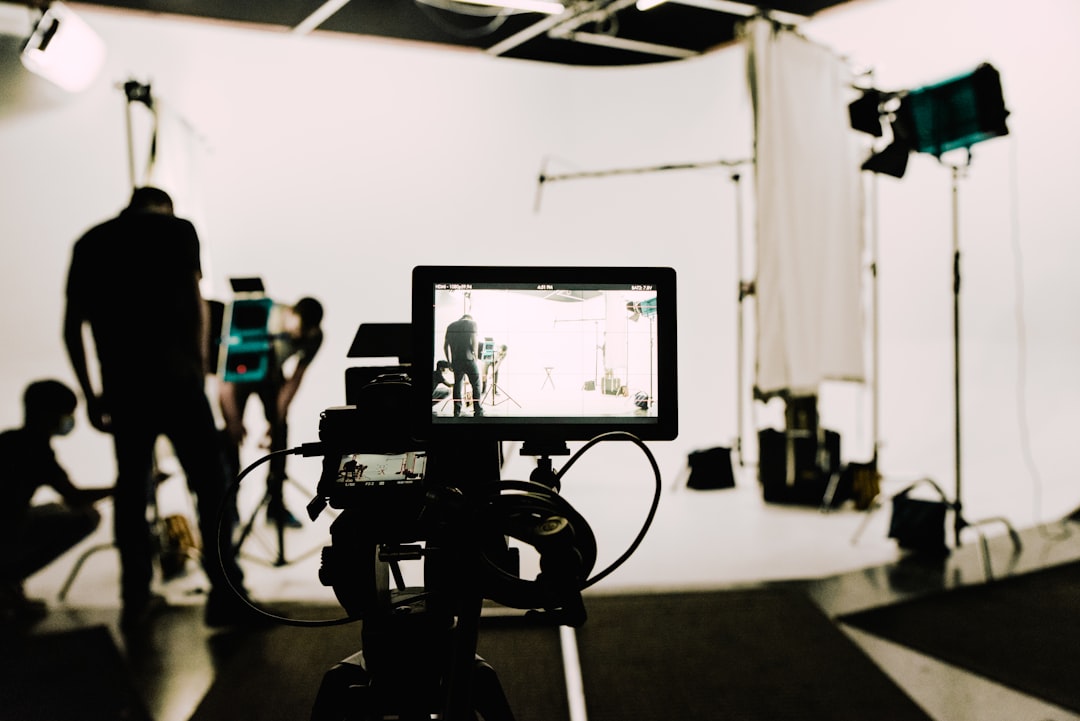
Behind-the-scenes photos create authenticity. They show work in progress, preparation, people, tools, or environments connected to the final reveal. This approach works especially well when the brand wants to humanize the campaign.
4. Countdown Visuals
Countdown photos help audiences understand that something is approaching. These may include numbers, dates, visual markers, or repeated compositions that change slightly each day. Countdowns are effective for events, sales, album releases, product drops, and grand openings.
5. Symbolic Images
Some teaser photos do not show the product at all. Instead, they show a symbol connected to the idea behind the campaign. A key, a flame, a cracked surface, a blooming flower, or an empty chair can all suggest meaning when used intentionally.
Writing Captions That Support the Teaser
Although the photo is the main attraction, the caption plays an important supporting role. It should deepen curiosity without overexplaining. A teaser caption might ask a question, reveal a date, provide a cryptic phrase, or invite guesses.
Strong teaser captions are usually short and memorable. Examples of caption styles include:
- Question-based: “Can anyone guess what is coming?”
- Date-based: “Arriving this Friday.”
- Mood-based: “Something brighter is about to begin.”
- Hint-based: “A new flavor of summer is almost here.”
- Engagement-based: “Drop a guess in the comments.”
The caption should match the brand voice. A luxury brand may prefer minimal, elegant language. A youth-focused brand may use playful hints and emojis. A professional service brand may use a more polished and confident tone.
Using Social Media Platforms Strategically
Teaser photo marketing is especially effective on social platforms because users can react, comment, share, and follow updates in real time. However, each platform has a different rhythm.
On Instagram, teaser photos can appear as feed posts, Stories, Reels covers, carousels, or pinned content. A grid-based campaign can be especially effective when several teaser images combine into a larger visual. On Facebook, teasers can support event pages, community discussions, and longer captions. On LinkedIn, teaser photos may be used for professional announcements, company milestones, product previews, or conference promotions. On TikTok and other video-first platforms, teaser photos may be transformed into quick slideshow-style reveals or visual countdowns.
The brand should adapt each teaser to the platform rather than posting the exact same asset everywhere. The core visual identity can remain consistent, but the format, caption, and call to action should match user behavior on that channel.
Creating a Sense of Sequence
One teaser photo can generate curiosity, but a sequence builds momentum. A campaign might begin with the most abstract image and gradually become more specific. This gives the audience a reason to return.
For instance, a campaign could follow this pattern:
- First teaser: A mysterious texture or color palette.
- Second teaser: A close-up detail that suggests the product category.
- Third teaser: A behind-the-scenes image with a date.
- Fourth teaser: A partial product view or event clue.
- Final reveal: The full announcement with a clear call to action.
This gradual reveal creates a narrative arc. It also gives the audience multiple opportunities to engage before the final announcement. Each post should add something new rather than repeating the same level of mystery.
Balancing Mystery With Clarity
One of the biggest challenges in teaser photo marketing is finding the right balance between intrigue and confusion. If a teaser is too obvious, it may not create anticipation. If it is too vague, viewers may ignore it because they do not understand why it matters.
A useful rule is that each teaser should answer one small question while raising another. For example, the audience may learn that a restaurant is launching something new, but not yet know the dish. Or they may learn the date of a product drop, but not yet see the full design.
Clarity becomes more important as the campaign progresses. Early teasers can be mysterious, but later teasers should provide stronger hints. By the time the final reveal arrives, the audience should feel satisfied rather than misled.
Design Elements That Make Teaser Photos Stronger
Visual quality matters. A blurry or poorly composed teaser can look accidental instead of intentional. Even when the image is mysterious, it should feel professionally directed.
Important design elements include:
- Lighting: Soft lighting can create elegance, while dramatic shadows can create suspense.
- Color palette: Consistent colors help unify the campaign and make it recognizable.
- Composition: Negative space, close crops, and unusual angles can increase curiosity.
- Focus: Selective focus can draw attention to one clue while hiding other details.
- Brand cues: Subtle use of brand colors, materials, or style can connect the teaser to the company without revealing everything.
When all of these elements work together, the teaser image feels deliberate. That sense of intention builds trust and makes the audience more likely to pay attention.
Common Mistakes to Avoid
Teaser photo marketing can lose impact when it is overused or poorly timed. A brand should avoid posting vague images for too long without progress. Audiences may become frustrated if they feel the campaign is withholding information without offering value.
Other common mistakes include:
- Revealing too much too soon: This removes the reason for anticipation.
- Using unrelated visuals: A teaser should connect meaningfully to the final reveal.
- Ignoring comments: Audience guesses and reactions are part of the campaign experience.
- Having no reveal plan: A teaser campaign needs a strong ending.
- Inconsistent styling: Random visual direction can make the campaign feel disorganized.
The final reveal is especially important. If the reveal feels smaller than the buildup, the audience may feel disappointed. The promise created by the teaser photos should match the value of the announcement.
Measuring the Success of Teaser Photo Marketing
A brand should measure performance throughout the teaser campaign, not only after the final reveal. Useful metrics include reach, impressions, comments, shares, saves, profile visits, email signups, waitlist registrations, event responses, and click-through rates.
Engagement quality also matters. If people are guessing, tagging friends, asking questions, or returning for updates, the campaign is likely creating anticipation. Sentiment should be monitored as well. Positive curiosity is valuable; confusion or irritation may indicate that the teasers need more clarity.
After the reveal, the brand can compare launch results with previous campaigns. If the teaser sequence increased traffic, inquiries, sales, attendance, or signups, it served its purpose. These insights can then guide future visual campaigns.
FAQ
What is teaser photo marketing?
Teaser photo marketing is the use of intriguing images to hint at an upcoming product, event, announcement, or campaign before the full reveal. It is designed to create curiosity and anticipation.
How many teaser photos should a campaign include?
The ideal number depends on the size of the announcement. A small launch may need three to five teaser images, while a larger campaign may use a longer sequence over several weeks.
What makes a teaser photo effective?
An effective teaser photo is visually strong, connected to the final reveal, emotionally engaging, and mysterious enough to encourage curiosity without causing confusion.
When should teaser photos be posted?
They should be posted far enough in advance to build interest, but not so early that the audience loses attention. Many campaigns work well with a teaser period of several days to two weeks.
Should teaser photos include text?
They can include text if it supports the campaign. Dates, short phrases, countdown numbers, or simple clues can help guide the audience while keeping the visual clean.
How can a brand avoid disappointing the audience after a teaser campaign?
The final reveal should match the excitement created by the teasers. The brand should ensure that the announcement is clear, valuable, and connected to the visual hints that came before it.