For decades, dentistry has relied on a familiar set of tools: impression trays, alginate or silicone materials, plaster models, wax-ups, physical articulators, paper charts, and manual measurements. These methods have helped clinicians diagnose, plan, and restore millions of smiles. But digital dentistry has changed expectations, and 3Shape software is one of the most recognizable names in that shift. Rather than simply replacing one tool with another, it changes how dental information is captured, shared, designed, reviewed, and manufactured.
TLDR: 3Shape software differs from traditional dental tools by turning many manual steps into a connected digital workflow. Instead of relying only on physical impressions, stone models, and hand-built restorations, clinicians and labs can scan, design, communicate, and produce with greater speed and consistency. Traditional tools still matter, especially for clinical judgment and hands-on skill, but 3Shape makes the process more visual, flexible, and data-driven.
From Physical Impressions to Digital Scans
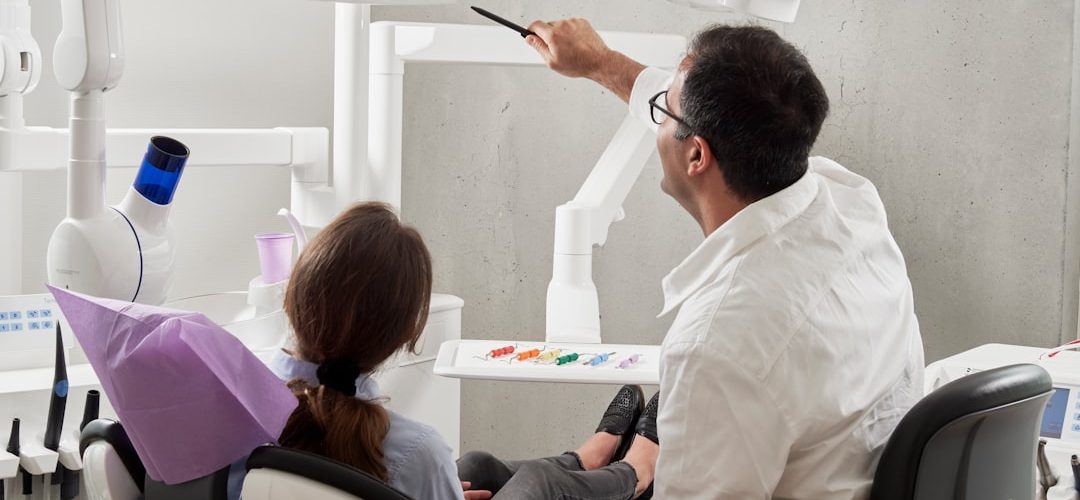
The most obvious difference between 3Shape and traditional dental tools begins with the impression. In conventional dentistry, a patient bites into a tray filled with impression material. After the material sets, the impression is disinfected, shipped or carried to a lab, poured in stone, trimmed, and then used as a working model. When done well, this process can be highly accurate, but it is also vulnerable to distortion, bubbles, tearing, poor tray fit, delayed pouring, and shipping damage.
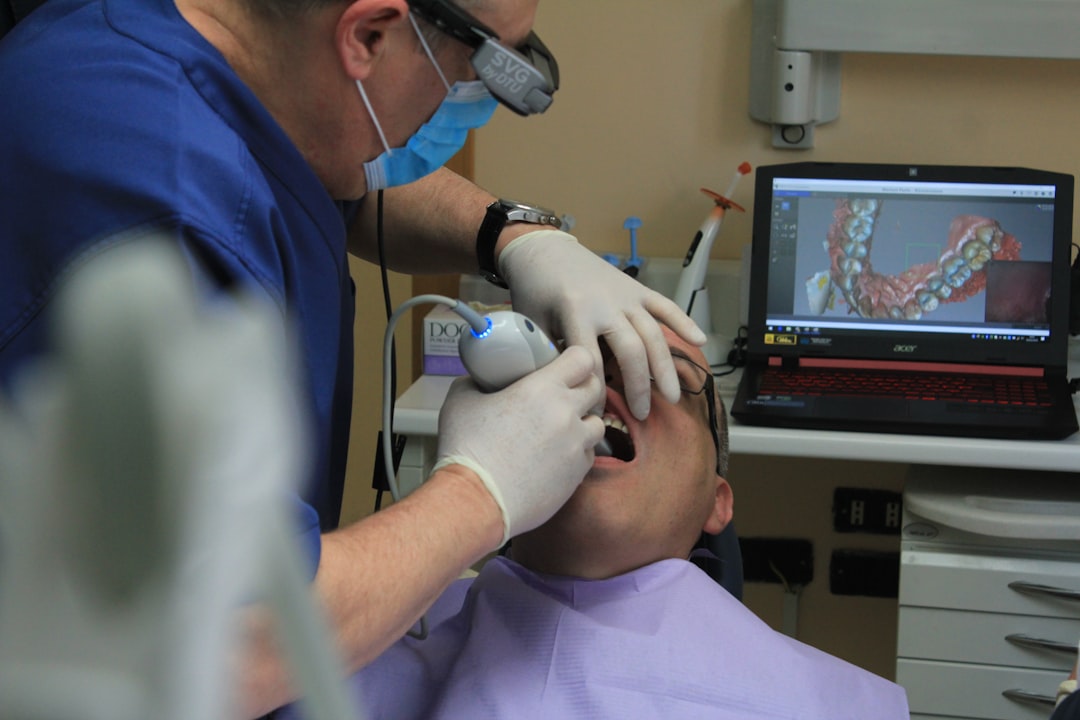
With 3Shape’s digital ecosystem, especially when paired with an intraoral scanner such as TRIOS, the mouth is captured as a digital model. The clinician moves a scanner through the patient’s mouth, and the software constructs a 3D representation of teeth, soft tissue, bite relationships, and preparation margins. If an area is unclear, the clinician can rescan that section immediately rather than discovering a problem days later when the lab calls.
This is a major change in mindset. Traditional impressions are a one-shot physical record, while digital scans are a reviewable, editable, and shareable dataset. That difference affects nearly every stage of care.
What 3Shape Software Actually Does
3Shape is not just a scanning tool. It is a software-driven platform used across many areas of dentistry, including restorative design, orthodontics, implant planning, splints, dentures, and lab production. Depending on the setup, a clinic or lab may use different modules and workflows, such as Dental System, Implant Studio, Ortho System, or workflows connected to TRIOS scans.
In simple terms, 3Shape helps dental professionals:
- Capture digital impressions and bite information.
- Analyze models, preparations, occlusion, and treatment needs.
- Design crowns, bridges, veneers, dentures, abutments, aligners, splints, and surgical guides.
- Communicate with labs, specialists, and patients using visual 3D files.
- Send designs to milling machines, 3D printers, or manufacturing partners.
Traditional dental tools usually handle these steps separately. For example, an impression tray captures the mouth, a stone model represents it, a wax-up simulates the restoration, and a lab technician fabricates the final piece by hand or with separate equipment. 3Shape brings many of these stages into one connected digital chain.
Speed: Less Waiting, Fewer Delays
One of the strongest advantages of 3Shape software is speed. Traditional workflows often involve multiple waiting periods: impression setting time, model pouring, shipping, lab intake, manual wax-up, and remakes if something goes wrong. Each step may be small, but together they can add days to treatment.
Digital workflows reduce or eliminate many of these delays. A scan can be taken and sent to a lab within minutes. A technician can begin evaluating the case without waiting for a physical model to arrive. If the dentist has chairside design and manufacturing capabilities, certain restorations may even be designed and produced in the practice.
However, speed does not mean rushing. The real benefit is that time is spent differently. Instead of managing trays, materials, shipping, and model storage, dental teams can focus more on case review, design quality, patient communication, and fit verification.
Accuracy and Consistency
Traditional tools can be extremely accurate in skilled hands, but they depend heavily on technique and material behavior. The final result may be affected by moisture control, tray selection, patient movement, impression material setting, stone expansion, and trimming. Even experienced clinicians sometimes need to retake impressions because of small defects near the margin.
3Shape software aims to improve consistency by allowing immediate visual feedback. A preparation margin can be inspected on screen. Occlusal clearance can be evaluated digitally. Undercuts, scan gaps, and bite problems can often be identified before the patient leaves the chair.
This does not remove the need for clinical skill. A poorly prepared tooth, inadequate retraction, bleeding margin, or incorrect bite record can still lead to problems. But digital tools make many errors easier to see earlier. In that sense, 3Shape is not magic; it is a high-resolution mirror for clinical decision-making.
Better Communication Between Clinic and Lab
One of the biggest frustrations in traditional dentistry is communication. A dentist may send an impression, a written prescription, a few photos, and maybe a shade tab. The lab technician then interprets the case from the physical materials provided. If something is unclear, phone calls and emails follow. If the impression is unusable, the patient may need to return.
With 3Shape, communication becomes more visual and precise. The dentist and technician can look at the same digital model, discuss margins, emergence profiles, occlusion, material thickness, and esthetics. Files can be transmitted quickly, and case details can be stored in a searchable digital environment.
This is especially valuable for complex cases. Implant restorations, multi-unit bridges, smile design cases, and orthodontic planning all benefit from shared digital references. The lab is no longer working only from a model and a prescription; it can work from a richer set of digital information.
Patient Experience: Comfort and Understanding
Patients often remember traditional impressions for one reason: discomfort. Impression trays can feel bulky, especially for people with a strong gag reflex, small mouth, anxiety, or breathing difficulty. While modern impression materials have improved, the experience is still not enjoyable for many patients.
Digital scanning can make the visit more comfortable. The scanner is still an object in the mouth, but it typically feels less invasive than a full tray of material. If a scan needs correction, only a small area may need to be rescanned rather than repeating the entire impression.
3Shape software can also improve patient education. Instead of trying to explain a cracked tooth, worn edge, crowding issue, or restorative plan using a mirror and verbal description, the clinician can show a 3D model on screen. Patients can rotate, zoom, and see their own anatomy in a way that feels immediate and understandable.
This visual element can increase trust. When patients see what the dentist sees, treatment recommendations often become less abstract. A crown, implant guide, aligner plan, or nightguard is no longer just a concept; it becomes something they can visualize.
Digital Design Versus Hand Craftsmanship
Traditional dental craftsmanship is impressive. Skilled technicians can shape wax, layer ceramic, adjust anatomy, and create restorations that blend beautifully with natural teeth. The rise of 3Shape does not erase that artistry. Instead, it changes the tools used to express it.
In a digital workflow, a technician may design a crown on screen rather than waxing it by hand. The software can suggest anatomy, contact points, contours, and occlusion based on the scan and case parameters. The technician then refines the design using experience and esthetic judgment.
The difference is similar to architecture moving from drafting tables to CAD software. The architect still needs design skill, structural understanding, and creativity. The software simply provides faster editing, better visualization, repeatable measurements, and easier collaboration.
Storage, Records, and Case Management
Traditional dental models take up space. Clinics and labs often store boxes of stone models, impressions, bite registrations, and case materials. These records can chip, break, get mislabeled, or simply become difficult to retrieve over time.
Digital files are easier to store, duplicate, and retrieve. A previous scan can be compared with a new scan to monitor wear, tooth movement, recession, or restorative changes. This is one of the less dramatic but highly practical advantages of 3Shape software: it turns dental records into usable long-term data.
That said, digital storage introduces new responsibilities. Practices must consider backup systems, data security, software updates, file compatibility, and privacy regulations. Physical storage problems are replaced by digital management requirements.
Where Traditional Tools Still Matter
It would be misleading to say that 3Shape makes traditional tools obsolete. Dentistry remains a hands-on clinical profession. Retraction cord, isolation systems, hand instruments, articulating paper, shade guides, burs, mirrors, explorers, and physical try-ins still play important roles.
Traditional impressions may still be used in certain situations, such as challenging subgingival margins, difficult soft tissue conditions, limited scanner access, or workflows where a particular lab or clinician prefers conventional methods. Some dentists also use a hybrid approach, combining digital scans with physical models or printed models.
In other words, the real comparison is not digital versus skilled dentistry. It is digital tools added to skilled dentistry. 3Shape is most powerful when used by people who understand anatomy, occlusion, materials, preparation design, and patient care.
Learning Curve and Investment
Traditional tools are familiar and often less expensive upfront. Most dental professionals are trained extensively with impression materials, stone models, and conventional lab communication. Switching to 3Shape software requires investment in equipment, training, maintenance, and workflow changes.
Teams need time to learn scan strategies, digital margin marking, case submission, design review, and troubleshooting. The first few weeks or months may feel slower as staff adapt. But once the workflow becomes routine, many practices find that digital dentistry saves time and reduces remakes.
The financial decision depends on case volume, practice style, lab relationships, and goals. A high-volume restorative or orthodontic practice may see benefits quickly, while a smaller practice may adopt digital tools gradually.
Main Differences at a Glance
| Traditional Tools | 3Shape Software Workflow |
| Physical impressions and stone models | Digital scans and 3D models |
| Manual shipping or hand delivery | Fast digital file transfer |
| Physical wax-ups and model work | CAD design with digital editing |
| Storage of models and paperwork | Digital case records and file archives |
| Delayed discovery of impression problems | Immediate scan review and correction |
The Bigger Difference: A Connected Workflow
The most important thing that makes 3Shape different is not just that it is digital. It is that it connects the workflow. A scan can become a restoration design. A restoration design can become a milled crown or printed model. An implant plan can become a surgical guide. An orthodontic scan can become an aligner plan. Each step feeds the next.
Traditional tools tend to be separate. Each stage creates a new physical object, and every transfer introduces another chance for distortion or miscommunication. 3Shape reduces those handoffs by keeping the case in a digital environment from beginning to end.
Conclusion
3Shape software differs from traditional dental tools because it transforms dentistry from a largely physical workflow into a visual, connected, and data-rich process. It improves speed, communication, patient comfort, design flexibility, and record management, while still depending on the expertise of clinicians and technicians.
Traditional tools are not irrelevant; they remain valuable, proven, and sometimes necessary. But 3Shape changes what is possible by making dental information easier to capture, understand, share, and manufacture. The future of dentistry is not simply digital or traditional. It is the thoughtful combination of advanced software with the judgment, precision, and artistry that have always defined excellent dental care.