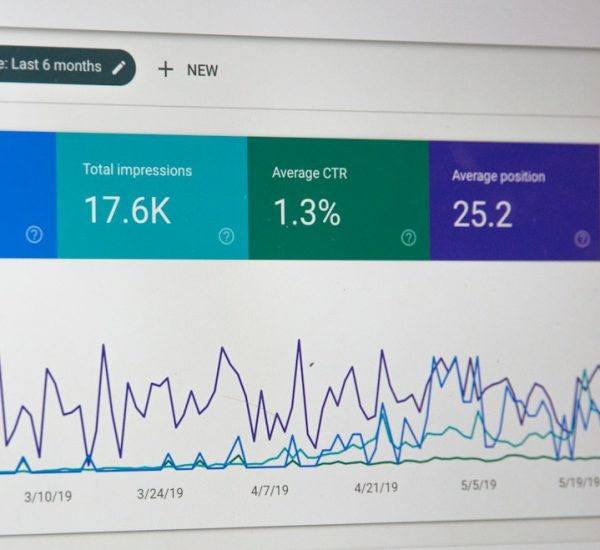
Real audience growth is safer, more useful, and more profitable than buying YouTube subscriber bots. Bots may lift a public subscriber count, but they do not create trust, sales, watch time, comments, or loyal viewers. YouTube defines fake engagement as activity created by automated systems or by people whose main goal is to inflate channel metrics [source: YouTube Help]. For a serious channel, artificial engagement is not a shortcut. It is usually a cleanup problem waiting to happen.
TLDR: Subscriber bots make a channel look bigger for a short time, but they usually hurt performance signals. For example, a channel that buys 5,000 subscribers but averages only 80 views per video may show a weak subscriber-to-view ratio of 1.6%, which can make the channel look suspicious to sponsors and viewers. Organic growth is slower, but it builds watch time, trust, and repeat traffic. A small channel with 1,000 real subscribers can often outperform a fake channel with 20,000 empty subscribers.
Artificial engagement creates weak channel signals
YouTube subscriber bots are fake or low-quality accounts used to increase subscriber counts. Some services also sell likes, comments, views, and watch time. On paper, the channel looks busier. In practice, the audience is hollow.
The problem is simple. YouTube does not reward subscriber count alone. It studies viewer behavior. Do people click? Do they watch past the intro? Do they return next week? Do they comment because they care?
Bots fail at those signals. They may subscribe, then disappear. Some may watch for a few seconds. Others may never watch at all. That creates a strange pattern: a channel has thousands of subscribers, but each upload looks ignored.
Honestly, it feels like painting a cracked wall instead of fixing the leak. The number looks better, but the damage keeps spreading.
Why creators still buy subscriber bots
Many creators feel pressure to look successful. A higher subscriber count can seem like social proof. It may also feel useful when pitching brands, selling courses, or trying to qualify for monetization.
That pressure is real. Early growth can be painfully slow. A new channel may post 20 videos and still sit under 200 subscribers. It can feel unfair when weak content from bigger channels gets more attention.
Still, bots rarely fix the core issue. If thumbnails are unclear, bots will not improve clicks. If videos lose viewers after 15 seconds, bots will not improve retention. If the topic is too broad, bots will not build a loyal fan base.
Artificial engagement can also damage credibility. A brand manager may check recent videos and see the gap right away. A channel with 50,000 subscribers and 300 views per upload raises questions. Viewers notice too. It gives off the wrong signal.
Organic growth builds useful data
Organic growth means a channel earns subscribers through real interest. They may find videos through search, Shorts, suggested videos, playlists, shares, or community posts. These viewers have context. They watched something and decided the channel was worth another visit.
That creates better data. A creator can see which topics keep viewers watching. They can compare titles. They can study audience retention. They can spot the moment viewers drop off. That information guides better videos.
Real viewers also create language. Their comments reveal questions, objections, jokes, and pain points. A smart creator can turn those comments into new video ideas. Bots cannot do that. Fake comments often sound empty, repeated, or awkward.
- Real subscribers improve feedback loops.
- Real views show which ideas deserve more effort.
- Real comments help shape future content.
- Real watch time supports stronger recommendations.
What organic growth strategies work best
The strongest YouTube channels usually follow a clear system. They do not just post and hope. They choose a specific audience, solve repeat problems, and package videos so the right viewers click.
A useful strategy starts with positioning. A fitness channel for “busy parents over 40” is clearer than a general fitness channel. A finance channel for “new freelancers” is easier to understand than a broad money channel. Specificity helps viewers know why the channel exists.
Next comes packaging. Titles and thumbnails should promise a clear result or spark a clear question. A weak title says, “My Editing Setup.” A stronger title says, “The 5 Editing Tools That Cut Production Time by 30%.” The second one gives viewers a reason to care.
Retention matters after the click. The first 30 seconds should confirm that the video will deliver. Long intros, vague greetings, and slow setup cost attention. It drives many channel managers crazy when a video takes 22 seconds just to reach the main point. Viewers leave before the value starts.

A practical growth plan beats bot activity
A channel does not need a huge team to grow well. It needs a repeatable process. The creator can publish fewer videos if each one has a sharper idea and a clear viewer benefit.
- Pick one audience segment. The channel should know who each video is for.
- Research real demand. Search suggestions, comments, Reddit threads, and competitor videos can show what people ask often.
- Improve one metric at a time. A channel may focus on click-through rate for one month, then retention the next.
- Use series formats. Repeatable topics help viewers form habits.
- Ask for action naturally. A subscribe request works best after value has been delivered.
- Review analytics weekly. Winning topics, weak intros, and strong traffic sources should shape the next uploads.
This approach is slower than buying bots, but it compounds. A real viewer may watch five videos, share one, comment twice, and buy later. A bot only adds noise.
How bots can hurt monetization and brand deals
Artificial engagement can place a channel at risk of removals, metric purges, account limits, or loss of trust. Even when no penalty occurs, fake subscribers dilute performance averages.
Brands care about outcomes. They want views, clicks, conversions, and audience fit. A fake audience makes forecasts unreliable. If a sponsor pays for a creator campaign and sees poor results, the relationship may end quickly.
Monetization also depends on more than subscriber count. Watch hours, Shorts views, policy compliance, and advertiser suitability all matter. Bots do not build a real content business. They create a fragile shell.
FAQ
Are YouTube subscriber bots illegal?
They are usually a violation of platform rules, even when they are not treated as a criminal issue. The bigger concern is account risk, damaged trust, and poor channel data.
Can bots help a new channel look more credible?
Only at a surface level. If views, comments, and watch time stay low, the fake growth becomes obvious. It can make the channel look less credible, not more.
What is better than buying subscribers?
A focused content plan is better. Strong topics, clear thumbnails, tight intros, and consistent posting build an audience that actually watches.
How can a channel spot fake engagement?
Warning signs include sudden subscriber spikes, low views compared with subscriber count, repeated generic comments, and traffic from odd or unrelated sources.
How long does organic YouTube growth take?
It varies by niche, quality, posting rate, and topic demand. Many channels need months of testing before growth becomes steady. The upside is that real growth carries useful data and lasting value.