In 2026, small businesses will compete in a marketplace shaped by smarter search, shorter attention spans, privacy-focused advertising, and customers who expect fast, personal, and trustworthy communication. A strong marketing plan will not need to be complicated, but it will need to be intentional, measurable, and consistent.
TLDR: Small business marketing in 2026 should focus on trust, personalization, local visibility, useful content, and first-party data. Businesses that understand their customers, publish helpful content, and use automation carefully will have an advantage. The best strategy will combine digital tools with authentic human connection, rather than relying on trends alone.
Build a Clearer Customer Profile
Before investing in ads, content, or social platforms, a business should understand exactly who it is trying to reach. In 2026, broad targeting will be less effective because customers will expect messages that match their needs, values, and buying habits. A local bakery, fitness studio, accountant, or online boutique should know the customer’s age range, location, challenges, budget, and preferred communication style.
Strong customer profiles can be built from sales data, website analytics, email responses, reviews, and direct conversations. The goal is not to collect information for its own sake, but to create marketing that feels relevant. When a business understands its audience, it can write better offers, choose better platforms, and avoid wasting money on people who are unlikely to buy.

Prioritize Local Search and Reputation
Local search will remain one of the most valuable marketing channels for small businesses in 2026. When someone searches for a nearby service, restaurant, shop, or professional, the businesses with complete profiles, strong reviews, accurate hours, and fresh photos will usually stand out.
Every small business should keep its local listings updated across search engines, map platforms, directories, and review sites. This includes the business name, address, phone number, website, service area, and opening hours. Even small errors can confuse customers or reduce visibility.
Reviews will also continue to influence buying decisions. A business should make review requests part of its normal customer service process. Staff members can politely ask happy customers to leave feedback after a successful purchase or service. Negative reviews should be answered professionally, with a calm tone and a clear attempt to resolve the issue. In 2026, reputation management will be marketing, not just customer service.
Create Helpful Content, Not Just Promotional Content
Consumers are increasingly skilled at ignoring generic ads. Small businesses that publish useful, specific, and trustworthy content will be more likely to earn attention. This content can include blog posts, short videos, buying guides, product comparisons, demonstrations, checklists, and behind-the-scenes updates.
A business should focus on the questions customers ask before they buy. For example, a home repair company could explain how to spot early signs of damage. A salon could share seasonal hair care tips. A financial consultant could publish simple guides about budgeting or tax preparation. This kind of content builds credibility before the sales conversation begins.
The most effective content in 2026 will educate first and sell second. A business that consistently answers real customer questions can improve search visibility, social engagement, and customer trust at the same time.
Use AI Carefully and Transparently
Artificial intelligence will give small businesses more power to create content, analyze trends, respond to customers, and automate routine tasks. However, customers will still value authenticity. A small business should use AI to support marketing, not to replace its voice entirely.
AI can help draft email subject lines, summarize customer feedback, generate social media ideas, organize campaign data, and personalize product recommendations. Still, a human should review important messages before publishing them. This is especially important for sensitive industries such as healthcare, legal services, finance, and education.
Businesses that use automation should also avoid sounding robotic. Personalized does not mean invasive, and automated does not mean careless. The strongest brands will use technology to save time while keeping communication warm, accurate, and human.
Strengthen Email and SMS Marketing
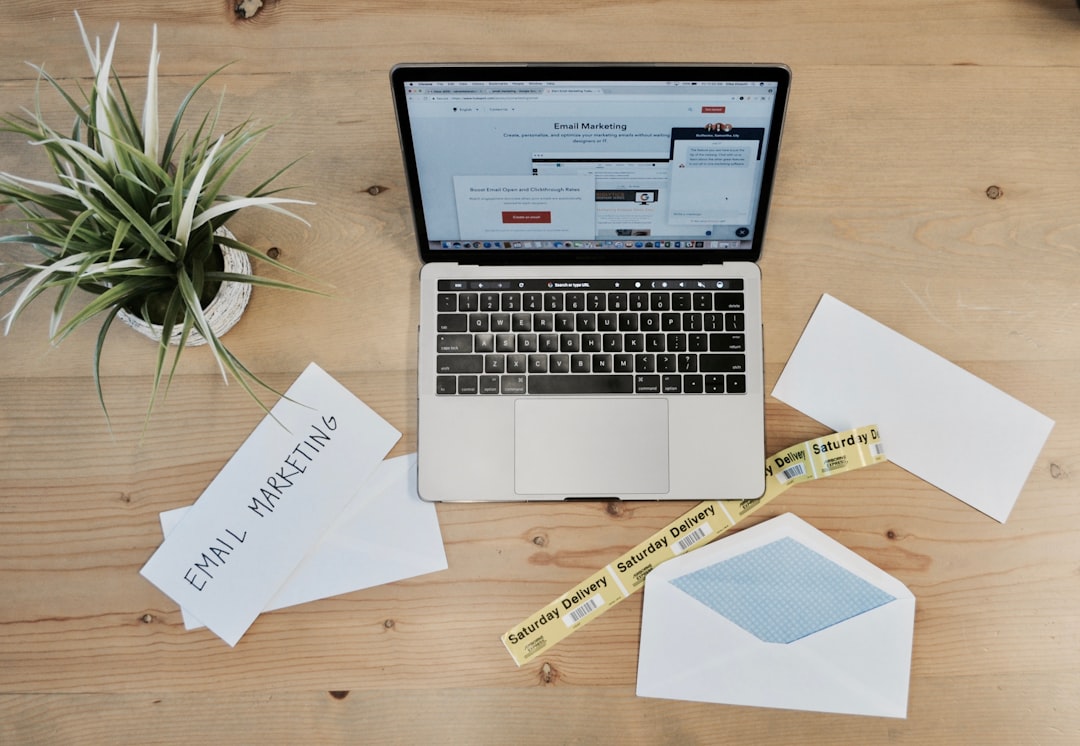
Social media algorithms can change quickly, but an owned contact list gives a small business more control. In 2026, email and SMS marketing will remain powerful because they allow direct communication with interested customers. The key will be permission, relevance, and timing.
A business should offer a clear reason for people to subscribe, such as a discount, useful guide, event invitation, early access, or helpful updates. Once customers join the list, the business should avoid sending constant sales messages. Instead, it can mix promotions with education, reminders, stories, and personalized recommendations.
- Welcome messages can introduce the brand and set expectations.
- Segmented campaigns can send different offers to different customer groups.
- Reactivation emails can encourage past customers to return.
- Post-purchase messages can request reviews or suggest complementary products.
Make Short-Form Video Part of the Routine
Short-form video will continue to play a major role in small business marketing. Customers often want to see products, services, people, and processes before making a decision. A polished commercial is not always necessary. In many cases, simple videos filmed in a real workplace can feel more trustworthy.
A small business can create quick videos showing product demonstrations, customer transformations, staff introductions, packing orders, answering common questions, or explaining how a service works. Consistency matters more than perfection. A steady posting rhythm helps the business stay visible and gives potential customers more reasons to remember the brand.
Videos should include captions, clear lighting, and a simple message. Each video should have one purpose, such as teaching, inspiring, entertaining, or inviting the viewer to take action.
Focus on Customer Experience as Marketing
In 2026, marketing will not end when a customer clicks, calls, or visits. The experience that follows will shape reviews, referrals, repeat purchases, and social sharing. A slow response, confusing checkout, missed appointment, or poor return process can undo a strong campaign.
Small businesses should review the full customer journey from first discovery to follow-up. This includes website speed, mobile usability, booking forms, payment options, delivery updates, customer support, packaging, and loyalty offers. Every step should feel easy and reliable.
Great customer experience becomes word-of-mouth marketing. When customers feel respected and understood, they are more likely to recommend the business to friends, family, coworkers, and online communities.
Track Fewer Metrics, but Track Them Better
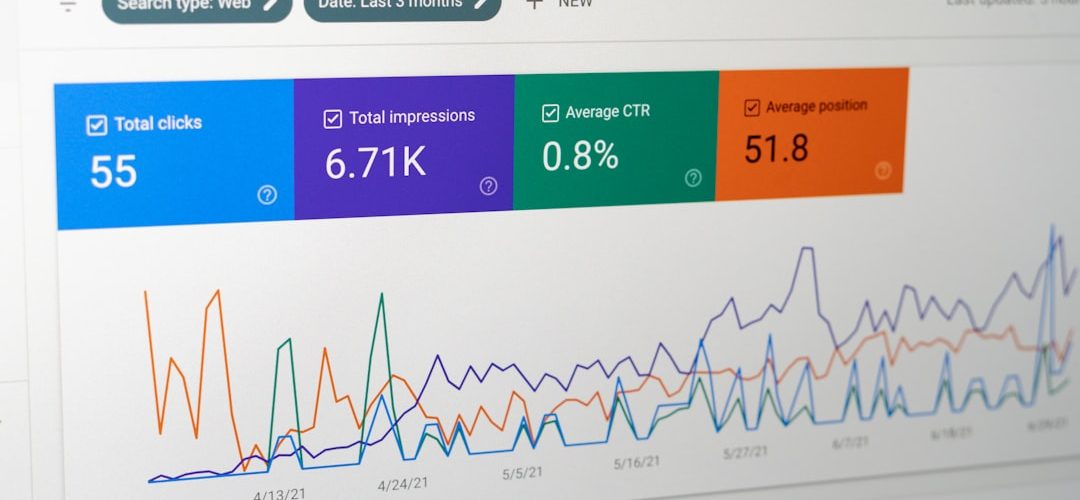
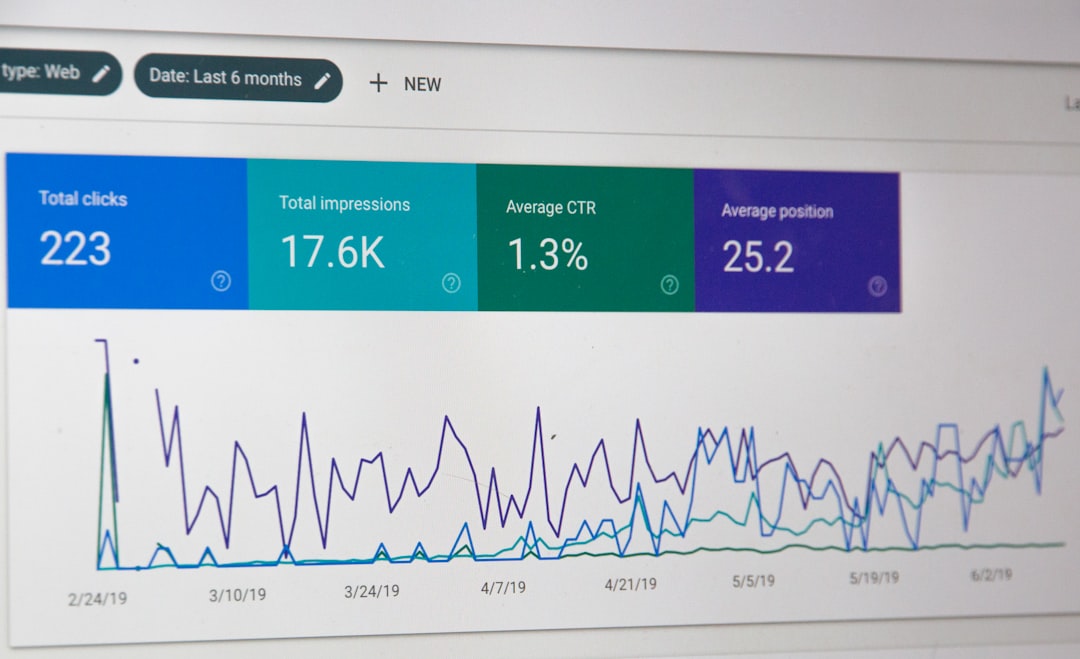
Small businesses can become overwhelmed by dashboards and reports. In 2026, the best approach will be to focus on a few meaningful numbers. Vanity metrics, such as likes or impressions, may be useful in context, but they do not always show whether marketing is profitable.
A business should regularly track metrics such as website leads, conversion rate, cost per customer, customer lifetime value, repeat purchase rate, review volume, email click rate, and revenue by channel. These numbers help owners understand what is working and where money is being wasted.
Marketing decisions should be reviewed monthly or quarterly. If a campaign is not producing results, the business can adjust the message, audience, offer, or platform instead of guessing.
Build Partnerships and Community Presence
Digital marketing is essential, but small businesses should not ignore community-based growth. Local partnerships, events, sponsorships, workshops, and collaborations can create visibility that online ads cannot fully replace. A pet store might partner with a groomer, a café might collaborate with a bookstore, and a fitness instructor might work with a nutrition coach.
These partnerships work best when both businesses serve similar audiences without directly competing. They can share promotions, host events, create bundled offers, or feature each other in newsletters and social posts. In 2026, customers will continue to support brands that feel connected to their community.
FAQ
What is the most important marketing tip for small businesses in 2026?
The most important tip is to understand the customer deeply and create marketing around their real needs. Clear targeting, helpful content, and strong customer experience will usually outperform random posting or unfocused advertising.
Should small businesses use AI for marketing?
Yes, small businesses can use AI to save time, brainstorm ideas, analyze data, and improve communication. However, they should review AI-generated work carefully and keep the brand voice authentic and human.
Is social media still worth it for small businesses?
Social media will still be valuable in 2026, especially for awareness, video content, customer engagement, and community building. However, it should be supported by owned channels such as email lists, websites, and customer databases.
How often should a small business review its marketing strategy?
A small business should review key marketing results at least once a month and make larger strategy adjustments every quarter. Regular review helps the business respond to changing customer behavior and avoid wasting budget.
What low-cost marketing methods work best?
Low-cost methods include local search optimization, review requests, email marketing, referral programs, short-form videos, partnerships, and educational content. These tactics can be highly effective when they are consistent and aligned with customer needs.