Upside makes money when partner stores pay it for bringing in customers who buy gas, food, groceries, or convenience items. It is not magic. It is closer to a coupon app with a very sharp calculator behind it. For drivers, the hook is simple: Upside advertises gas cash back offers of up to 25 cents per gallon [source: Upside]. The user gets cash back. The business gets a sale. Upside takes a cut.

The simple version
Think of Upside as a matchmaker.
On one side, there are people who want cheaper gas and food. Very fair. Prices can be rude.
On the other side, there are local businesses that want more customers. A gas station may have empty pumps. A restaurant may have slow lunch hours. A grocery store may want more repeat shoppers.
Upside sits in the middle.
It shows users a cash back offer. The user claims it. The user buys something. Upside checks that the purchase happened. Then the user gets cash back in the app.
The merchant pays Upside because that customer showed up and spent money. Upside then shares part of that money with the user.
That is the core model. Merchant funded rewards.
So who actually pays?
The business pays.
Not the gas pump. Not a hidden fairy. Not your grandma.
A partner location agrees to run offers through Upside. That offer might be:
- Gas: cents back per gallon.
- Restaurants: a percent back on the meal.
- Grocery: a percent back on the purchase.
- Convenience stores: cash back on eligible items.
When a user buys, Upside tracks the transaction. This may happen through a card link, receipt upload, location check, or store system match. The exact method can vary by store.
Then Upside pays the user. The merchant pays Upside.
Upside keeps the difference between what it collects and what it gives back. That difference is its revenue.
A tiny example with pretend numbers
Let’s say a gas station wants more afternoon customers.
It works with Upside and agrees to pay for completed visits that bring extra profit.
Here is a simple version:
- The customer claims a gas offer.
- The customer buys 14 gallons.
- The offer gives 12 cents back per gallon.
- The customer earns $1.68.
- The gas station pays Upside more than $1.68 for that sale.
- Upside sends $1.68 to the customer and keeps the rest.
These are not Upside’s actual contract numbers. They are just easy math.
The key idea is this: the cash back is paid from the marketing budget of the store. Upside is not giving away free money for fun. Cute idea. Terrible business.
Why would a store do this?
Because stores already spend money to get customers.
They run ads. They print coupons. They pay for signs. They lower prices. They sponsor local teams. They try a lot of things.
Some of those things are hard to track. A billboard looks nice. But did it bring in 42 drivers on Tuesday? Who knows.
Upside is more trackable.
A store can see if an offer led to a purchase. That makes the pitch very simple. Pay for results. Not just eyeballs.
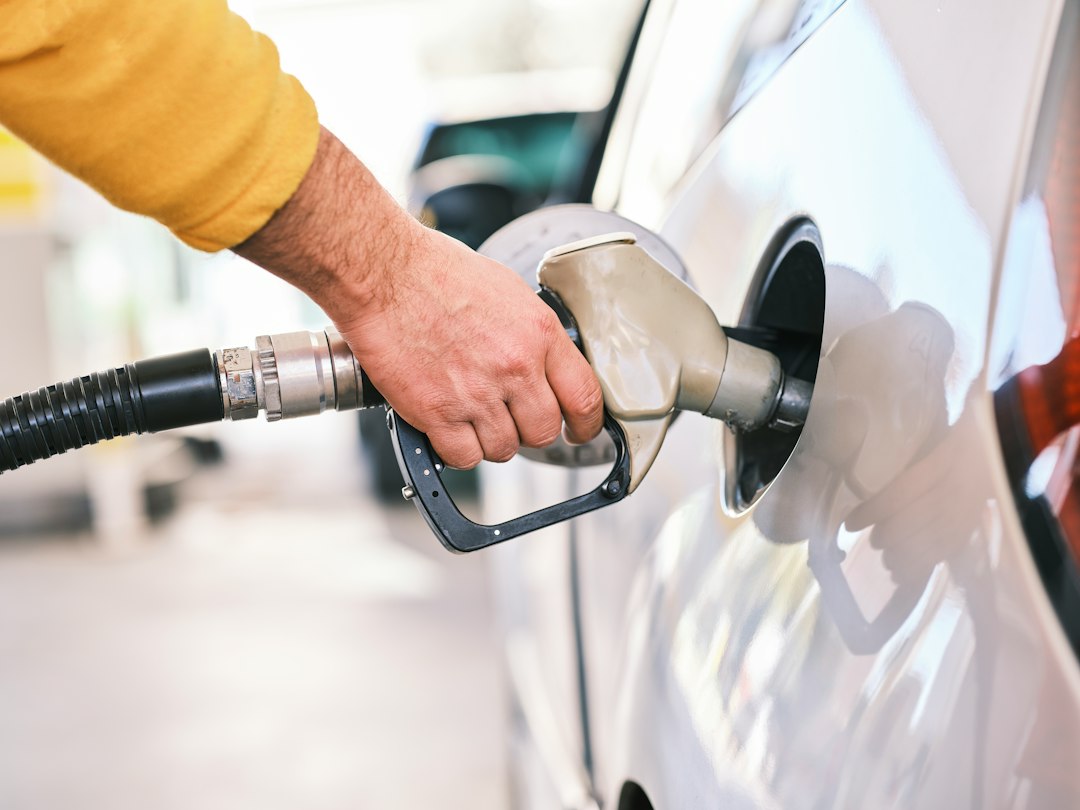
That matters a lot for gas stations. A station near a busy road may still lose drivers to the place across the street. A few cents of cash back can tilt the choice.
Honestly, it feels like the app is built around that tiny moment when you say, “Fine, I’ll drive one more block if I save money.” That moment is worth a lot.
Why users like it
Users like Upside because it feels low effort.
You open the app. You see nearby offers. You claim one. You buy. You wait for cash back.
The savings may not be huge each time. But they can stack up.
Here is a basic monthly example:
- You fill up 4 times per month.
- Each fill up is 13 gallons.
- Your average offer is 10 cents per gallon.
- You earn about $5.20 per month.
- That is about $62.40 per year.
That will not buy a yacht. It might buy lunch. Or snacks. Or three coffees, depending on how dramatic your coffee shop is.
Some users can earn more. Delivery drivers, commuters, rideshare drivers, and small business owners may fill up often. For them, even small cash back offers can matter.
Where the profit comes from
Upside’s main profit engine is the spread.
That is the gap between:
- What the merchant pays Upside.
- What Upside gives the user as cash back.
If Upside keeps that gap wide enough, it can make money. If the cash back is too high, the model gets tight. If the offer is too low, users ignore it. So Upside has to balance both sides.
This is where its data matters.
Upside can estimate which offer may get someone to choose one store over another. It can test offers. It can change amounts. It can learn buying patterns.
For example, a lazy 3 cents per gallon offer may not move anyone. A 17 cents offer might. But if 9 cents works, the merchant does not need to offer 17. Upside has a reason to find that sweet spot.
Is Upside selling user data?
Upside uses data to run the marketplace. That is clear from the product itself.
It needs location, offer, and purchase data to confirm rewards. It also uses performance data to show merchants what happened.
But the core business model is not “sell your name to random weirdos.” The main money comes from partner businesses paying for measured sales.
Still, users should read the privacy policy. Yes, boring. Yes, annoying. Do it anyway if you care about tracking.
Cash outs and small fees
Users can usually cash out through options like bank transfer, PayPal, or gift cards. The exact options may change.
Some cash out methods or small withdrawals may include fees. That can differ by amount and method.
Are those fees the big business model? Probably not.
The bigger money is in merchant payments. Cash out fees are more like a side character. The friend who shows up in one scene and steals a fry.
What users should watch for
Upside can be useful. But it is not perfect.
The first annoyance is timing. You often need to claim the offer before you buy. Forget that step and you may miss the reward. It drives me crazy that saving 80 cents can still require app gymnastics in a parking lot.
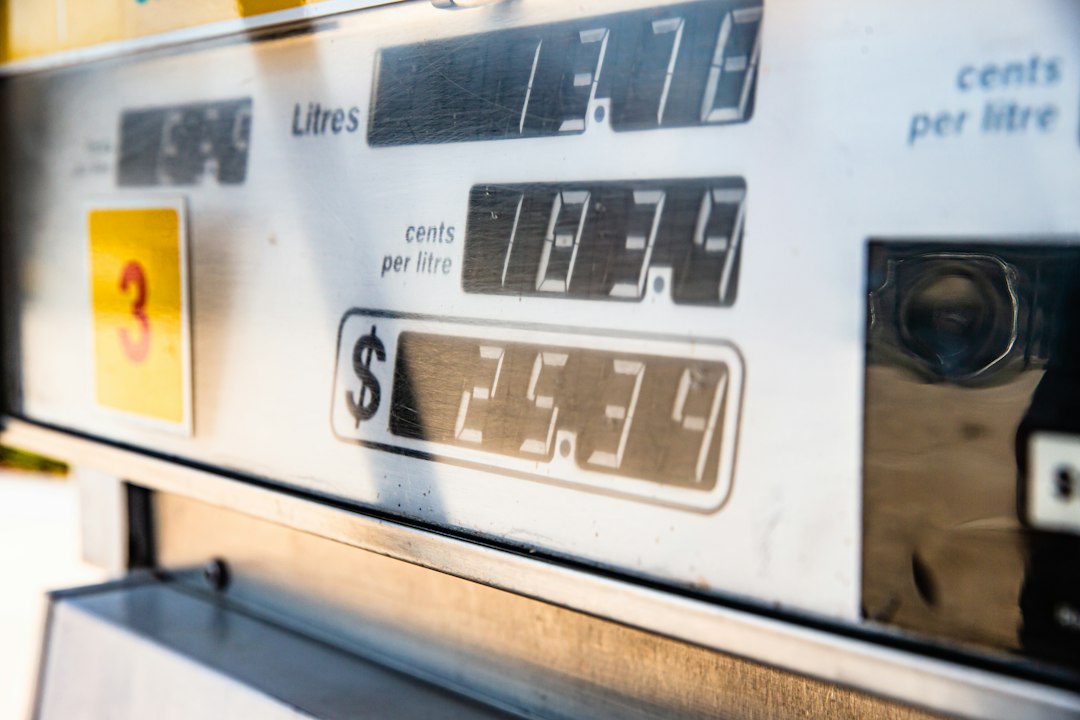
Also, the highest offer is not always the best deal. A station with 20 cents back may still be more expensive than another station after the reward.
Do the quick math.
- Station A: $3.49 per gallon with 10 cents back.
- Final price: $3.39 per gallon.
- Station B: $3.35 per gallon with no cash back.
- Station B is still cheaper.
Cash back feels good. Real savings feel better.
Why this model can work
The model can work because each side gets something clear.
- Users get cash back on purchases they may already make.
- Merchants get measurable customer visits.
- Upside gets paid for connecting the two.
It is simple at the surface. Under the hood, it is math, tracking, and offer testing.
The fun part is that users do not need to understand all of that. They just need to know if the offer is worth the stop.
The bottom line
Upside makes money by taking a cut from merchant funded offers. The app sends customers to partner businesses. Those businesses pay for the extra sales. Upside shares part of that payment with users as cash back.
So the next time you earn $2 after filling your tank, remember what happened. You did not beat the system. You joined it. But hey, $2 is $2.