Modern marketing teams often struggle to understand what happens between a visitor’s first click and the final conversion. Funnelytics addresses that challenge by combining funnel mapping, performance analytics, and attribution insights in one visual workspace. Rather than forcing teams to interpret disconnected spreadsheets or scattered reports, it presents the customer journey as a clear, measurable flow.
TLDR: Funnelytics is a visual funnel planning and analytics platform designed for marketers, agencies, and growth teams that want to map, measure, and optimize customer journeys. Its biggest strength is the way it connects funnel diagrams with real performance data, making bottlenecks easier to identify. It is especially useful for teams managing paid traffic, landing pages, email sequences, webinars, and multi-step sales funnels. However, its value depends on proper tracking setup, clean data, and regular analysis.
What Is Funnelytics?
Funnelytics is a funnel visualization and analytics tool that helps businesses design, track, and improve marketing funnels. It allows users to create visual maps of acquisition channels, landing pages, checkout steps, upsells, email sequences, booking flows, and other customer journey touchpoints. Once tracking is implemented, those visual maps can display real data such as visitors, conversions, conversion rates, revenue, and drop-offs.
The platform is built around a simple idea: funnels are easier to understand when they are seen visually. Instead of looking at rows of data in analytics dashboards, teams can observe how visitors move from one stage to the next. This makes it easier to diagnose weak points, compare traffic sources, and communicate strategy with clients, executives, or internal teams.
Core Funnel Visualization Features
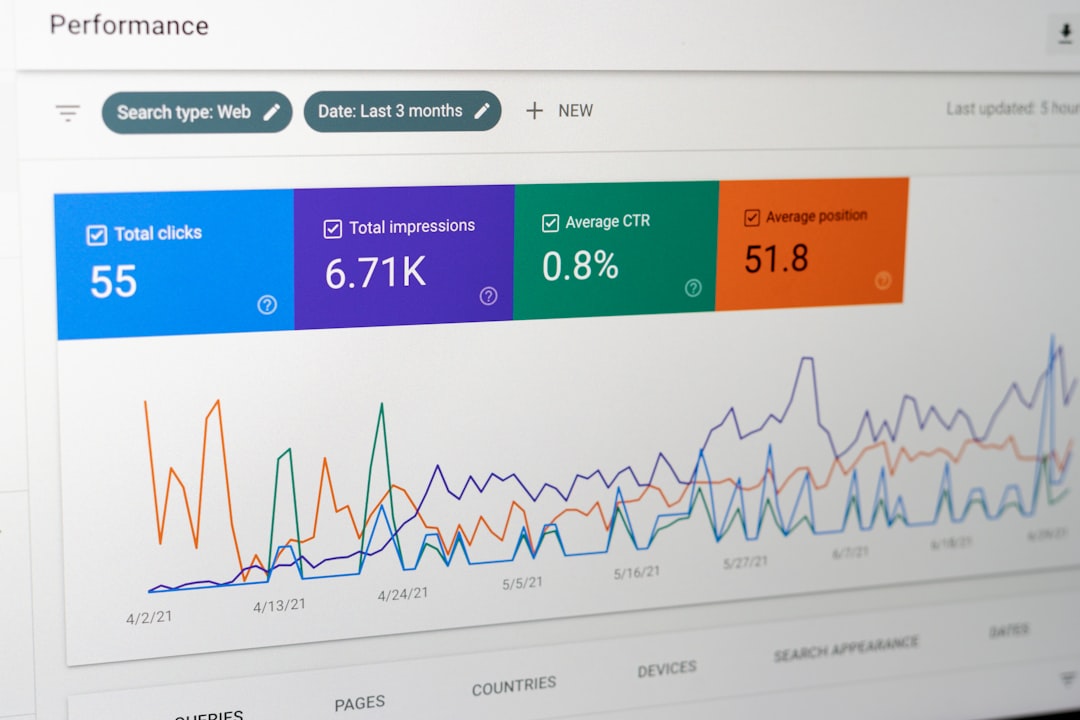
One of the most recognizable features of Funnelytics is its drag-and-drop funnel mapping canvas. Users can create detailed funnel diagrams using icons for traffic sources, web pages, forms, emails, purchases, webinars, phone calls, and other steps. This visual approach helps teams plan campaigns before launch and document existing systems after they are already running.
The canvas is flexible enough for simple lead generation funnels as well as complex ecommerce or coaching funnels. A business can map a Facebook ad campaign leading to a landing page, then to a webinar registration, an email sequence, a sales page, and a checkout page. Agencies can also use maps to explain proposed strategies to clients in a way that is more intuitive than a written plan.
Key visualization capabilities include:
- Drag-and-drop mapping: Funnel assets and traffic sources can be arranged visually on a canvas.
- Journey planning: Teams can map customer flows before building pages or launching campaigns.
- Client presentation support: Agencies can use visual maps to explain strategy, scope, and campaign structure.
- Scenario modeling: Different funnel ideas can be tested conceptually before being implemented.
- Performance overlays: When data is connected, the map becomes an analytics view rather than only a planning document.
Analytics and Performance Tracking
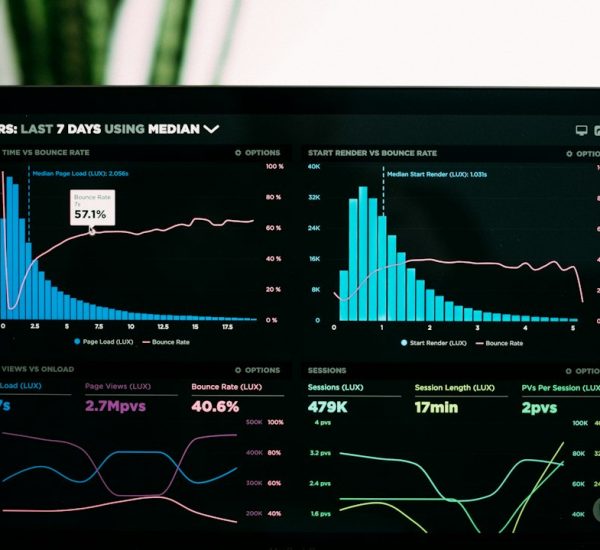
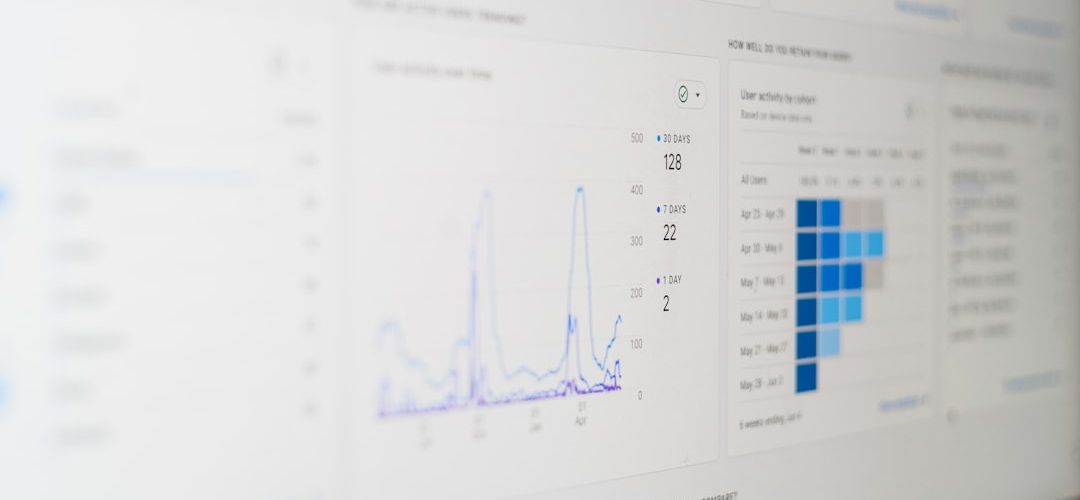
Funnelytics becomes more powerful when the visual map is connected to live analytics. Once tracking is configured, the platform can show how many people entered each step, how many continued, where they dropped off, and which paths generated revenue. This transforms the funnel map into a diagnostic tool for conversion optimization.
For example, a team may discover that a landing page receives plenty of paid traffic but very few users advance to the next step. Another funnel may show that email subscribers are clicking through but abandoning the checkout page. In both cases, the visual layout makes the problem easier to spot and prioritize.
The analytics features are particularly helpful for businesses that manage funnels across multiple platforms. A typical funnel may involve ad networks, landing page builders, checkout software, email marketing platforms, and CRM tools. Funnelytics helps bring the performance picture into one visual environment, although accurate results depend heavily on proper tracking implementation.
Attribution Insights
Attribution is one of the most valuable, and often most difficult, areas of marketing measurement. Funnelytics provides attribution insights by helping teams understand which traffic sources and funnel paths contribute to conversions. Instead of only asking how many people converted, teams can examine where those converters came from and which steps influenced the outcome.
This matters because many marketing funnels are not linear. A prospect may click an ad, visit a landing page, leave, return through an email, watch a webinar, and then purchase days later. Without attribution, teams may overvalue the final touchpoint and undervalue earlier steps that created awareness or trust.
Funnelytics can help marketers evaluate sources such as paid ads, organic search, referrals, email campaigns, affiliates, and social media. For agencies, this can be especially useful when proving campaign impact to clients. Instead of presenting only platform-specific ad results, an agency can show how traffic moves through the entire journey and where revenue is being generated.
User Experience and Interface
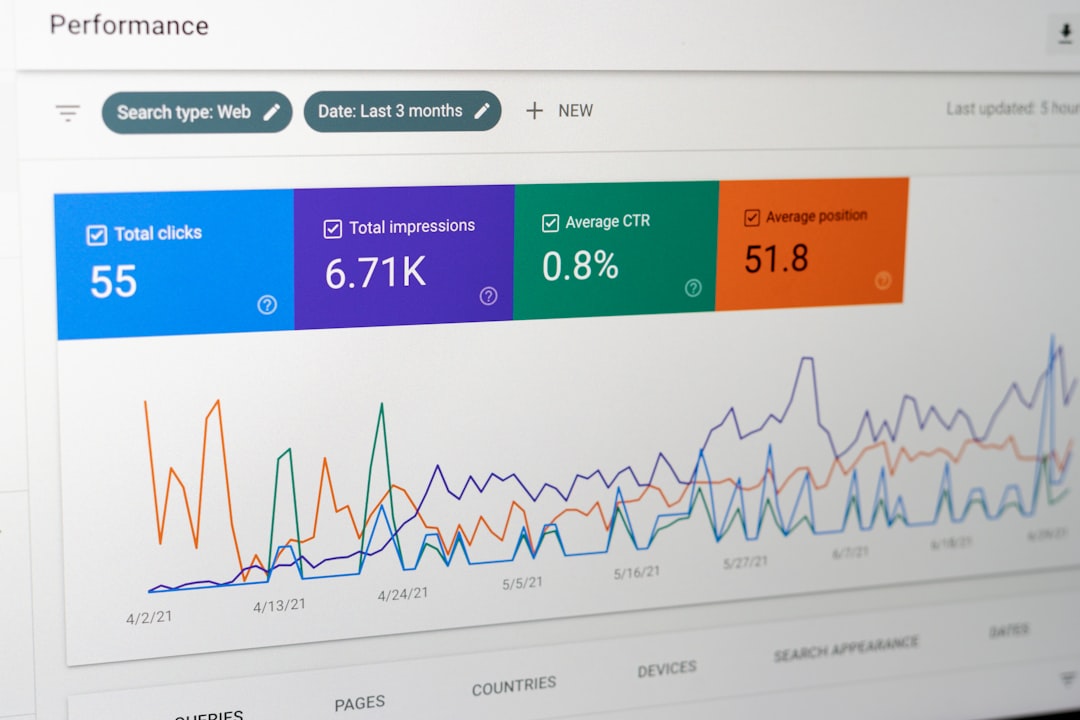
Funnelytics is designed with a visual-first interface, which makes it easier to understand than many analytics platforms. Users familiar with whiteboards, flowcharts, or customer journey maps will likely find the canvas intuitive. Funnel steps can be placed, connected, rearranged, and labeled in a way that feels natural for campaign planning.
However, the analytics side requires more attention. While basic funnel mapping is straightforward, meaningful analysis depends on tracking scripts, event setup, URL rules, and data accuracy. Less technical teams may need time to understand how data flows into the platform. Agencies and experienced marketers are more likely to benefit quickly because they usually understand funnel architecture, traffic sources, and conversion tracking concepts.
The interface is strongest when used for collaboration and communication. A visual funnel map can help align copywriters, media buyers, designers, sales teams, and executives. Instead of each stakeholder thinking only about their part of the process, the entire group can see how every step connects.
Best Use Cases for Funnelytics
Funnelytics is not only for one type of business. Its usefulness depends more on funnel complexity than industry. Any organization with multi-step marketing and sales journeys can benefit from visual mapping and analytics.
Common use cases include:
- Digital marketing agencies: Agencies can map client funnels, present strategies, diagnose problems, and report performance visually.
- Course creators and coaches: Webinar funnels, application funnels, and high-ticket sales journeys can be planned and measured.
- Ecommerce brands: Teams can analyze product page flows, cart abandonment, upsells, downsells, and repeat purchase journeys.
- SaaS companies: Trial signups, demo bookings, onboarding paths, and subscription conversions can be visualized.
- Lead generation businesses: Paid traffic, landing pages, forms, calls, and CRM follow-ups can be mapped into one journey.
Strengths of Funnelytics
The primary strength of Funnelytics is its ability to connect strategy and performance. Many tools help teams plan funnels, and many tools provide analytics, but fewer tools combine both in a visual format. This makes the platform useful not only for analysis but also for decision-making and communication.
Another strength is clarity. Funnel problems are often hidden inside separate dashboards. Funnelytics makes those problems visible by showing drop-offs, conversion rates, and traffic paths directly on the funnel map. This can reduce confusion and help teams focus on the highest-impact optimization opportunities.
Funnelytics also supports better strategic thinking. Before launching a campaign, a team can map the entire customer journey and identify missing steps, weak offers, unclear transitions, or unnecessary friction. After launch, the same map can be used to evaluate what actually happened.
Potential Limitations
Despite its advantages, Funnelytics is not a magic solution for funnel growth. The platform depends on clean tracking and thoughtful interpretation. If tracking is incomplete, duplicated, or configured incorrectly, the resulting data may be misleading. Teams should treat setup as a critical step rather than an afterthought.
There may also be a learning curve for users who are new to analytics, attribution, or funnel strategy. The mapping canvas is approachable, but interpreting multi-step conversion data requires marketing experience. Businesses looking for instant answers without ongoing analysis may not get the full value from the tool.
Another consideration is overlap with existing software. Some businesses already use analytics platforms, ad dashboards, CRM reporting, and business intelligence tools. Funnelytics does not necessarily replace all of them. Instead, it works best as a visual layer that helps make funnel data easier to understand and act upon.

Pricing and Value Considerations
The value of Funnelytics depends on how actively a team uses it. For a business with simple traffic and a single landing page, the platform may be more than necessary. For agencies and growth-focused teams managing multiple funnels, the value can be significant because visual insights may lead to better optimization decisions.
When evaluating cost, teams should consider the potential return from improved conversion rates, reduced wasted ad spend, and clearer strategy. If Funnelytics helps identify a major leak in a paid traffic funnel, the savings or revenue gains can justify the investment. However, passive users who only create maps without connecting or analyzing data may experience less benefit.
Who Should Use Funnelytics?
Funnelytics is best suited for marketers who think in systems. It is particularly useful for professionals who need to understand how traffic sources, pages, offers, emails, and sales actions work together. Agencies, consultants, media buyers, funnel strategists, and conversion optimization specialists are among the strongest fits.
It can also benefit founders and marketing leaders who need a clearer view of the customer journey. A visual map can make strategic discussions more productive because it shows the entire funnel instead of isolated performance metrics. For teams investing heavily in paid acquisition, the ability to identify leaks and understand attribution can be especially valuable.
Final Verdict
Funnelytics is a strong platform for businesses that want to move beyond basic funnel diagrams and disconnected analytics reports. Its combination of visual funnel mapping, performance tracking, and attribution insight makes it a practical tool for planning, diagnosing, and optimizing marketing systems.
The platform is most valuable when used consistently and configured carefully. It helps teams see the full customer journey, identify weak points, and communicate complex strategies in a simple visual format. While it may require setup effort and analytical discipline, Funnelytics can become a valuable decision-making tool for agencies, growth teams, and businesses with serious funnel optimization goals.
FAQ
What is Funnelytics used for?
Funnelytics is used to map, track, and analyze marketing funnels. It helps teams visualize customer journeys, measure performance, identify drop-offs, and understand which traffic sources contribute to conversions.
Is Funnelytics only for agencies?
No. Agencies are a strong fit because they often need visual strategy and reporting tools, but Funnelytics can also be useful for ecommerce brands, SaaS companies, coaches, course creators, and lead generation businesses.
Does Funnelytics replace Google Analytics?
Funnelytics does not necessarily replace broader analytics platforms. It is best viewed as a visual funnel analytics layer that helps teams understand customer journeys and conversion paths more clearly.
Is Funnelytics easy to use?
The funnel mapping canvas is generally easy to use, especially for visual thinkers. However, advanced analytics and attribution features require proper tracking setup and some understanding of funnel performance metrics.
What is the biggest benefit of Funnelytics?
The biggest benefit is clarity. Funnelytics allows teams to see funnel structure and performance data in one visual workspace, making it easier to identify bottlenecks and optimize customer journeys.
Who gets the most value from Funnelytics?
Teams with multi-step funnels, paid traffic campaigns, complex customer journeys, or client reporting needs are likely to get the most value. The platform is especially helpful for marketers who regularly test and optimize campaigns.