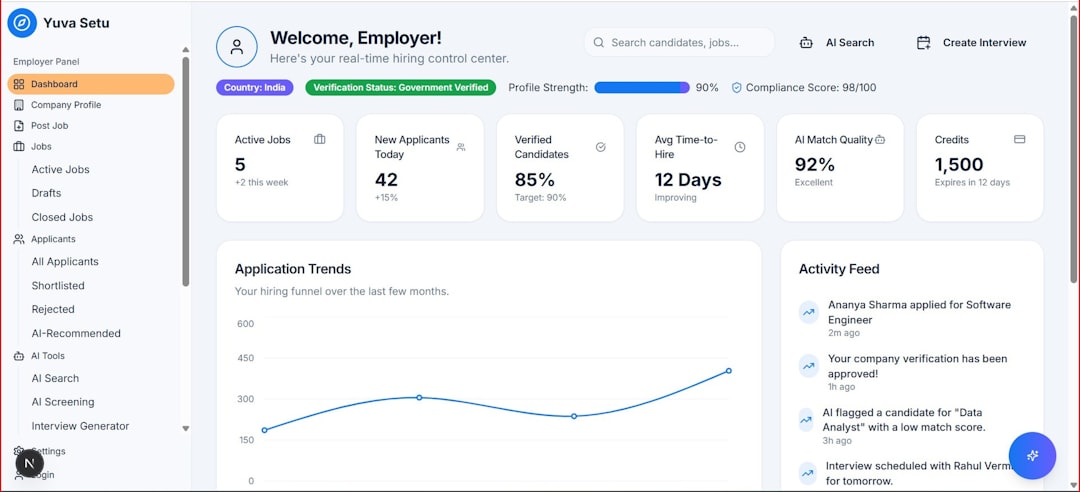
Sales management software is like a GPS for your revenue team. It shows where deals are, who needs help, and which roads lead to money. The best tools help managers track pipelines, coach reps, forecast sales, and stop surprises before they become scary.
TLDR: The best sales management software helps teams sell more with less chaos. For example, a 12-person sales team using a CRM with forecasting and coaching could spot that 35% of deals are stuck in the demo stage, then fix the script and improve close rates. If you need an all-in-one option, try Salesforce, HubSpot, or Zoho CRM. If you care most about coaching, look at Gong, Clari, or Salesloft.
What Makes Great Sales Management Software?
A good sales platform should not feel like homework. It should help your team move faster. It should show what is working. It should also show what is going very, very wrong.
Look for these key features:
- Pipeline tracking: See every deal stage clearly.
- Performance dashboards: Track calls, emails, meetings, and revenue.
- Sales forecasting: Predict future sales with real data.
- Coaching tools: Review calls, notes, and rep activity.
- Automation: Reduce boring admin work.
- Integrations: Connect email, calendars, phones, and marketing tools.
Now let’s meet the 15 platforms that can turn your sales circus into a sales machine.

1. Salesforce Sales Cloud
Best for: Large and growing sales teams.
Salesforce is the giant in the room. It has deep CRM tools, strong reporting, powerful workflows, and advanced forecasting. You can manage leads, accounts, opportunities, tasks, and territories.
It is very flexible. That is great. It also means setup can take time. If your team has complex sales processes, Salesforce is a strong pick.
Fun note: Salesforce is like a fancy Swiss Army knife. Useful, sharp, and slightly intimidating at first.
2. HubSpot Sales Hub
Best for: Small and mid-sized teams that want simple tools.
HubSpot is clean, friendly, and easy to learn. It gives you pipelines, email tracking, meeting scheduling, sales automation, and simple forecasting.
Managers can see rep activity and deal progress without digging through messy spreadsheets. It also connects well with HubSpot’s marketing and service tools.
If your team wants speed and simplicity, HubSpot is a happy place.
3. Pipedrive
Best for: Visual pipeline management.
Pipedrive is built around the sales pipeline. Deals move through stages with a simple drag-and-drop view. It feels clear and light.
Sales managers can see stuck deals fast. Reps know what to do next. That makes it great for teams that want fewer buttons and more selling.
4. Zoho CRM
Best for: Budget-friendly sales management.
Zoho CRM gives you a lot for the price. You get lead management, pipelines, automation, analytics, forecasting, and AI suggestions.
It also connects with the wider Zoho business suite. That includes email, projects, desk tools, and finance apps.
For cost-conscious teams, Zoho is a smart little powerhouse.
5. Microsoft Dynamics 365 Sales
Best for: Teams already using Microsoft tools.
Dynamics 365 Sales works well with Outlook, Teams, Excel, and Power BI. That makes it useful for companies already living in the Microsoft world.
It offers strong account management, forecasting, AI insights, and guided selling. It is especially helpful for enterprise teams with complex customer journeys.
6. Monday Sales CRM
Best for: Teams that want custom workflows.
Monday Sales CRM is colorful and flexible. You can build boards for leads, deals, tasks, accounts, onboarding, and more.
It is not just for sales. It is also great for teams that work closely with delivery, marketing, or customer success.
If your sales process has weird twists, Monday can bend with it.
7. Freshsales
Best for: Teams that want CRM plus built-in calling.
Freshsales includes contact management, pipelines, email, phone, chat, and AI lead scoring. Managers can view activities and deal health in one place.
Its built-in communication tools are handy. Reps do not need to bounce between too many apps. Nobody likes app jumping. It is the office version of stepping on Legos.
8. Close
Best for: Inside sales and outbound teams.
Close is built for fast communication. It includes calling, SMS, email sequences, and pipeline tracking.
Managers can monitor activity, review performance, and keep reps focused on outreach. It is a strong choice for teams that live on calls and follow-ups.

9. Insightly
Best for: Sales teams that manage projects after the deal.
Insightly combines CRM and project management. That is useful when selling is only the start. You can track leads, opportunities, contacts, and post-sale delivery.
Managers get pipeline visibility and task tracking. Teams get a smoother handoff from sales to service.
10. Nutshell
Best for: Small teams that want an easy CRM.
Nutshell is simple, clean, and practical. It offers sales automation, pipeline views, reporting, email tools, and contact management.
You do not need a giant admin team to run it. That makes it ideal for small businesses that want structure without stress.
11. Copper
Best for: Google Workspace users.
Copper fits nicely inside Gmail and Google Calendar. It tracks contacts, tasks, deals, and communications with less manual entry.
If your team already works in Google all day, Copper feels natural. It keeps sales work close to the inbox, where reps already spend too much time anyway.
12. Salesloft
Best for: Sales engagement and coaching.
Salesloft helps sales teams run cadences across email, phone, and social channels. Managers can track engagement, review rep activity, and coach with better data.
It is especially useful for outbound teams. It helps reps stay consistent. It also helps managers see which messages are landing and which ones are snoozers.
13. Outreach
Best for: Enterprise sales engagement.
Outreach helps teams manage sequences, tasks, calls, emails, and buyer engagement. It gives leaders visibility into rep performance and pipeline movement.
Its analytics help answer big questions. Are reps doing the right activities? Are buyers responding? Are deals moving or just sitting there like cold pizza?
14. Gong
Best for: Conversation intelligence and coaching.
Gong records and analyzes sales calls, emails, and meetings. It helps managers understand what top reps do differently.
You can spot talk ratios, pricing mentions, competitor names, objections, and next steps. This is gold for coaching.
Instead of saying, “Try to be better,” managers can say, “Ask two discovery questions before the demo.” Much better. Much less awkward.
15. Clari
Best for: Forecasting and revenue operations.
Clari is built for revenue visibility. It helps leaders forecast sales, inspect pipelines, and track deal risk.
It pulls data from CRM, emails, calendars, and activity tools. Then it gives managers a clearer picture of what will close.
If forecasting meetings feel like guessing weather with a spoon, Clari can help.
How to Choose the Right Platform
Do not pick software just because it has the most features. That is how teams end up with expensive digital furniture. Pretty, but unused.
Ask these simple questions:
- How big is your sales team? Small teams may prefer HubSpot, Pipedrive, Nutshell, or Zoho.
- How complex is your sales process? Bigger teams may need Salesforce, Dynamics, Clari, or Outreach.
- Do reps need better coaching? Look at Gong, Salesloft, or Outreach.
- Is forecasting the main pain? Try Clari, Salesforce, or Dynamics 365.
- Do you need built-in calls and email? Consider Close, Freshsales, or Salesloft.
- What tools do you already use? Google teams may like Copper. Microsoft teams may like Dynamics.
Quick Picks by Use Case
- Best all-around CRM: Salesforce Sales Cloud
- Best simple CRM: HubSpot Sales Hub
- Best visual pipeline: Pipedrive
- Best value: Zoho CRM
- Best for Google users: Copper
- Best for outbound sales: Close or Salesloft
- Best for coaching: Gong
- Best for forecasting: Clari
Final Thoughts
The best sales management software is the one your team will actually use. Fancy dashboards mean nothing if reps ignore them. Start with your biggest pain. Is it messy pipelines? Bad forecasts? Weak coaching? Too much admin work?
Then choose a platform that solves that problem first. Keep it simple. Train the team well. Review the data often.
Do that, and your sales software becomes more than a digital notebook. It becomes your revenue command center. With fewer surprises. Better coaching. Cleaner forecasts. And maybe, just maybe, fewer “quick sync” meetings.