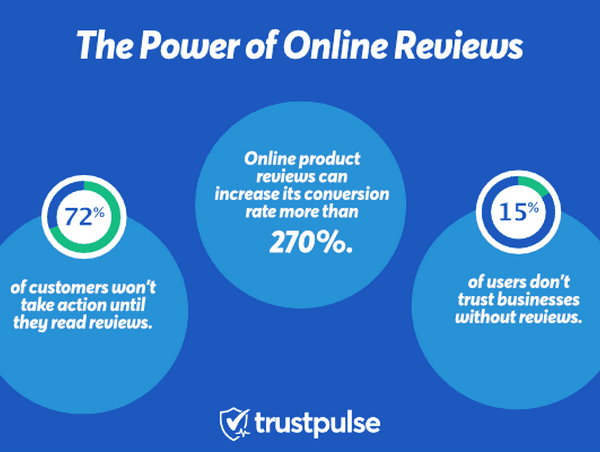
The best product reviews build trust by showing proof, not praise. Shoppers want to see what happened after a real person bought the product, used it, and noticed the good and bad parts. That matters because 99.9% of consumers read reviews when shopping online, according to PowerReviews [source: PowerReviews].
TLDR: The most trusted product reviews are specific, balanced, visual, and written by real buyers. A review like, “The backpack fits my 15 inch laptop, survived three rainy commutes, but the side pocket is tight” works better than “Great bag!” because it answers real doubts. If a product page gets 1,000 visitors and reviews lift conversion from 2% to 3%, that means 10 extra orders from the same traffic. Use the five examples below to make reviews feel human, useful, and credible.

1. The Detailed First Hand Review
A strong product review starts with lived experience. It names the product, explains the use case, and mentions results. This type of review feels useful because it gives the shopper something to compare with their own needs.
Example:
“I bought these running shoes for short morning runs. I have wide feet, so I was worried about rubbing. After two weeks and about 25 miles, they still feel comfortable. The grip is great on wet sidewalks. The only issue is that the laces come loose unless I double knot them.”
This review works because it has time, distance, context, and one small flaw. That flaw is not a problem. It actually helps. A review that sounds too perfect can feel fake. Honest details lower suspicion.
- Best for: Shoes, tools, electronics, fitness gear, home goods
- Trust factor: High, because it shows real use over time
- Weak review to avoid: “Amazing quality. Would buy again.”
2. The Before And After Review
Before and after reviews are powerful because they show change. The buyer had a problem. The product helped solve it. Simple.
Example:
“Before using this desk lamp, I had eye strain after about an hour of work. I switched to the warm light setting and placed it behind my monitor. After a week, my evening headaches were less common. The touch controls are a bit too sensitive, but the light quality is excellent.”
The catch is that vague “before and after” claims can sound shady. Skip wild promises. Keep the result grounded. If the product saved time, say how much. If it improved comfort, explain when and how.
A smart version includes numbers:
- “Setup took 12 minutes.”
- “Battery lasted 8 hours and 40 minutes.”
- “My delivery arrived 2 days earlier than expected.”
Specific numbers make the review easier to believe.
3. The Photo Or Video Review
Text is useful. Photos are better. Video can be even stronger. A customer photo shows scale, color, packaging, texture, and fit in a way polished product images often do not.

Example:
“The color is slightly darker than the product photo, so I added pictures in daylight and indoor light. The fabric feels thick, not stiff. I’m 5 foot 6 and ordered a medium. It fits loose at the waist but well at the shoulders.”
This review answers common doubts. Will it look the same in real life? Does it fit? Is the material cheap? Shoppers love that.
Honestly, it feels like some stores still treat customer images as an afterthought. That is a mistake. If users have to click through three tabs and wait five seconds for review photos to load, many will give up. Put visual reviews close to the buy button.
- Best for: Clothing, furniture, beauty products, decor, bags
- Trust factor: Very high, because buyers can see proof
- Tip: Let shoppers filter reviews with photos only
4. The Balanced Pros And Cons Review
Balanced reviews feel calm and fair. They do not scream. They do not sell too hard. They help people decide.
Example:
“Pros: The blender is powerful, easy to clean, and crushes frozen fruit fast. Cons: It is loud, and the lid takes effort to lock. I still recommend it for smoothies, but I would not use it early in the morning if someone is sleeping nearby.”
This format is easy to scan. It respects the shopper’s time. It also helps brands because it sets fair expectations. A loud blender may still be a great blender. The right buyer just needs to know.
Research from the Spiegel Research Center found that displaying reviews can raise conversion rates, with higher priced products seeing larger gains [source: Spiegel Research Center]. Balanced reviews support that because they reduce fear before checkout.
5. The Verified Buyer Review With Support Details
A verified buyer review carries extra weight. Add details about delivery, packaging, returns, or customer service, and it becomes even more useful.
Example:
“Verified purchase. The coffee machine arrived in two days and was packed well. The water tank had a small scratch, so I contacted support. They replied in 4 hours and sent a replacement tank the next day. The machine works great, and the support made me feel safe buying from this brand again.”
This review builds trust in two ways. It reviews the product and the company. That matters because buyers are not only asking, “Is this good?” They are also asking, “What happens if something goes wrong?”

How To Use These Review Examples
Do not hide your best reviews at the bottom of the page. Place them near key choices, such as size, color, plan, or add to cart. Mix short reviews with longer ones. Add filters for rating, use case, photos, and verified purchases.
- Ask better questions: “How did you use it?” beats “Did you like it?”
- Show flaws: A few fair negatives make positives stronger.
- Feature real language: Do not polish reviews until they sound fake.
- Use review snippets: Place one strong quote near the product image.
- Reply to complaints: A calm brand response can save the sale.
The best product review examples are not fancy. They are clear, honest, and useful. Give shoppers proof from real people, and trust becomes much easier to earn.