Homestay videos perform best on Facebook and Instagram when they show real rooms, real hosts, and real guest moments within the first three seconds. A polished video is useful, but trust matters more than gloss. Viewers want to know what the stay feels like before they read the caption or click a booking link.
TLDR: A homestay video should open with the strongest visual, such as a sunny bedroom, a breakfast table, or a host greeting guests at the door. Short Reels of 15 to 30 seconds often hold attention better than long tours, especially when captions and location tags are used. For example, a host who posts three room walkthrough Reels per week and adds guest review text on screen may see saves rise by 20% to 35% over a month. The best content feels honest, local, and easy to watch without sound.
Why Homestay Videos Work So Well on Meta Platforms
Facebook and Instagram are visual platforms, but homestay content has an extra advantage: it sells comfort. A hotel can show facilities. A homestay can show warmth, personality, and a sense of place.
Short videos help potential guests answer quick questions. Is the room clean? Is the host friendly? Is the neighborhood quiet? Is breakfast included? If the video answers these in seconds, the viewer is more likely to save, share, comment, or message.
Meta also rewards content that keeps people watching. That means a homestay video should not start with a logo, a blank wall, or a slow pan across the front gate. The first shot should be the best shot. It drives me crazy that many hosts spend five seconds showing a signboard while viewers have already scrolled away.
Start With a Clear Video Goal
Each video should have one job. A host should not try to show the room, menu, garden, host family, nearby beach, pricing, and booking rules in one Reel. That creates clutter.
Common goals include:
- Room tour: Show the bedroom, bathroom, storage, balcony, and view.
- Trust builder: Feature guest reviews, cleanliness, safety, and host presence.
- Local experience: Show nearby markets, trails, temples, cafes, or beaches.
- Seasonal offer: Promote weekend stays, holiday dates, or long-stay discounts.
- Host story: Introduce the owner, family, pets, or home-cooked meals.
A single purpose makes the video easier to edit and easier to understand. The caption can add extra details, but the video should still make sense without it.
Use the Right Format for Facebook and Instagram
Vertical video is usually the safest format. Reels, Stories, and mobile feeds favor a 9:16 layout. A host should film with the phone held upright unless the content is made for a longer Facebook video or a YouTube-style cut.
Recommended video lengths:
- Instagram Reels: 15 to 30 seconds for quick room tours and guest moments.
- Facebook Reels: 20 to 45 seconds for tours, local tips, and offers.
- Stories: 5 to 15 seconds per clip for daily updates and availability alerts.
- Facebook feed videos: 45 to 90 seconds for deeper property walkarounds.
Honestly, it feels like Meta changes small posting details just often enough to waste time. Still, the basics remain steady. Vertical framing, readable text, strong hooks, and quick cuts work.
Capture the Details Guests Actually Care About
A pretty view helps, but guests book based on practical confidence. The video should show the exact room they may book. Stock-like clips of flowers and coffee cups are fine as support, not as the main story.
Strong homestay shots include:
- The entrance from the guest’s point of view.
- The bed, pillows, blankets, and natural light.
- The private or shared bathroom.
- Storage space, work desk, Wi Fi setup, and charging points.
- Breakfast, kitchen access, or dining space.
- Parking, garden, balcony, pool, or mountain view.
- Nearby attractions within walking or short driving distance.
The camera should move slowly. Fast spinning room tours feel messy. A simple three-shot structure works well: wide shot, useful detail, human moment.
Make the First Three Seconds Count
The opening hook decides whether the video survives. A host should start with a visual payoff or a clear promise.
Good opening text examples:
- “A quiet homestay room five minutes from the beach.”
- “What guests see when they wake up here.”
- “Weekend stay under $80 with breakfast.”
- “Room tour before the next booking opens.”
The first frame should not be dark, shaky, or empty. If the best moment is the balcony sunrise, that goes first. The rest of the tour can follow.
Add Captions, Text, and Calls to Action
Many people watch videos without sound. Captions are not optional if the host wants stronger engagement. Text should be short and placed away from interface buttons, especially near the bottom-right area where Instagram icons often cover content.
Useful on-screen labels include:
- Private bathroom
- Free breakfast
- Pet friendly
- 10 minutes from city center
- Mountain view room
- Message for available dates
The call to action should be simple. “Save this stay for later” works for discovery content. “Send a message for dates” works for booking intent. “Comment ‘room’ for details” can help start conversations, but it should not feel spammy.
Show People, Not Just Property
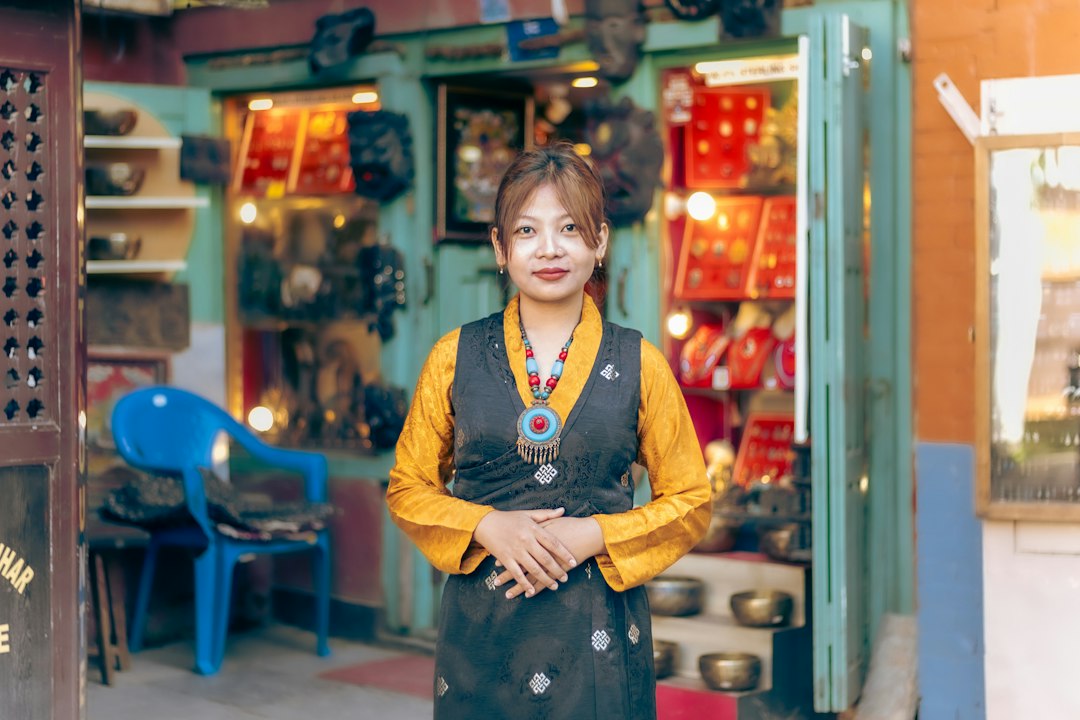
Homestays are personal. A video with a smiling host, a breakfast being served, or guests enjoying tea on a patio often feels more believable than an empty room tour.
Privacy still matters. Hosts should ask guests for clear permission before filming them. If consent is not available, hands, backs, table scenes, luggage arrival shots, and room prep clips can still create a human feel.
Host appearances also build trust. A quick line such as “This is the room prepared for tonight’s guests” can make the stay feel cared for. It does not need perfect acting. In fact, slightly natural delivery often works better.
Use Music, Voice, and Natural Sound Carefully
Trending audio may increase reach, but it should match the mood. A peaceful countryside homestay does not need frantic music. Soft acoustic tracks, local sounds, birds, rain, kitchen sounds, or a calm voiceover can work better.
Voiceovers should be short. The host can say what the viewer cannot see. For example, “The bus stop is two minutes away” or “Breakfast is made fresh every morning.” Repeating visible details wastes seconds.
Post Consistently and Track Simple Metrics
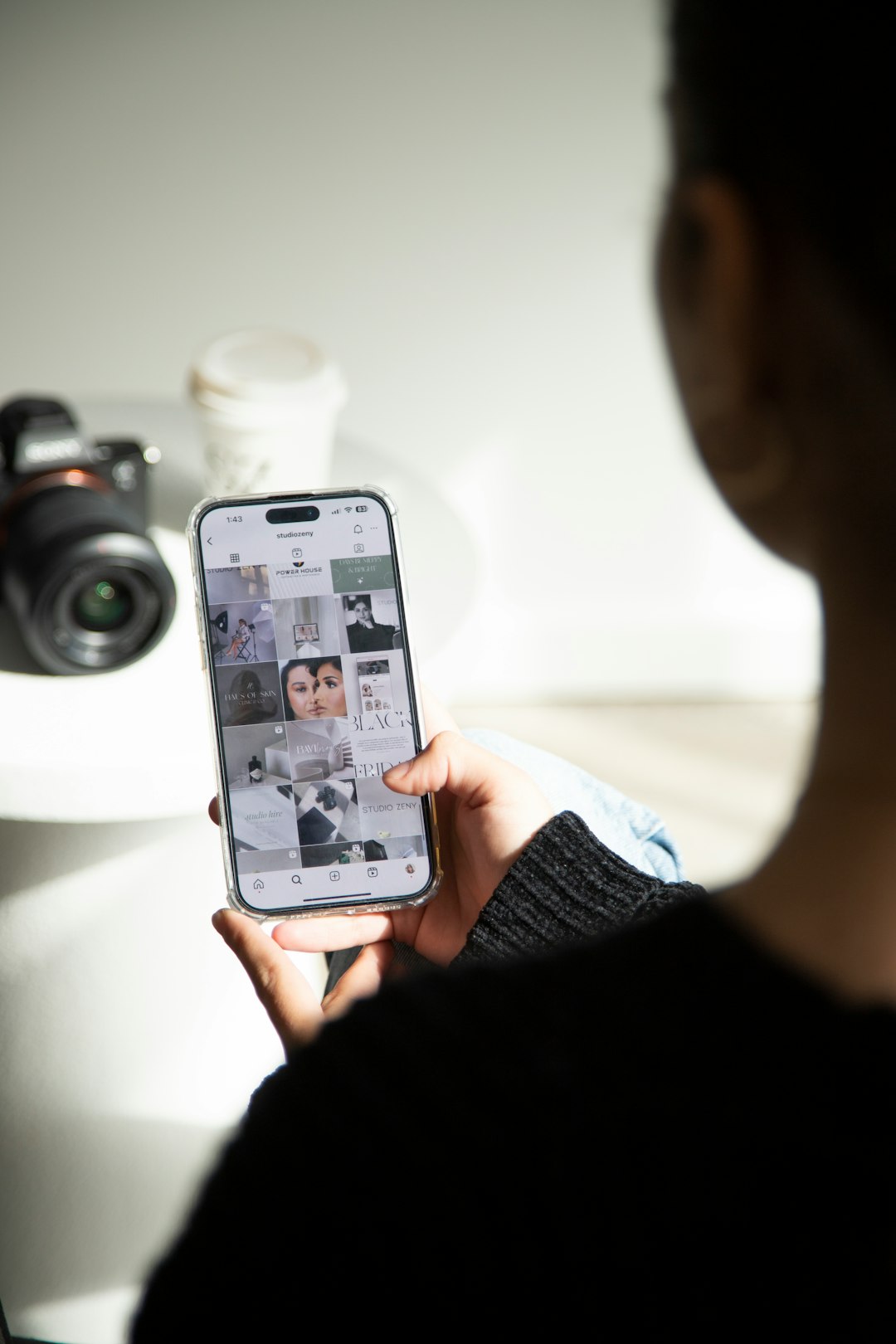
A homestay account does not need daily perfection. It needs a steady rhythm. Three to five videos per week is a practical target for many small hosts. Stories can fill the gaps with quick clips of weather, room prep, food, and last-minute availability.
Key metrics to watch:
- Watch time: Shows whether the opening and pacing work.
- Saves: A strong sign of travel planning intent.
- Shares: Useful for couples, families, and group travel decisions.
- Profile visits: Shows interest beyond casual viewing.
- Messages: The clearest signal of booking interest.
If a video gets many views but few messages, the offer may be unclear. If it gets saves but few profile visits, the caption may need a stronger next step.
Common Mistakes to Avoid
- Over-filtering rooms: Guests may feel misled when they arrive.
- Using only wide shots: Details prove cleanliness and comfort.
- Posting without location tags: Travel content depends heavily on place.
- Ignoring comments: Replies can turn casual viewers into inquiries.
- Making every post a sales pitch: Local tips and guest stories build interest.
The best homestay video content feels useful before it feels promotional. It helps the viewer picture a stay, plan a trip, and trust the host.
FAQ
How long should a homestay video be for Instagram Reels?
Most homestay Reels should be 15 to 30 seconds. Longer videos can work when they show a full tour or a strong local experience.
Should homestay videos show prices?
Prices can be shown when the offer is clear and current. If rates change often, the video should ask viewers to message for available dates and updated pricing.
Is professional filming required?
No. A clean phone camera, steady hands, good light, and clear framing are enough for most Facebook and Instagram content.
How often should a homestay post videos?
Three to five videos per week is a strong target. A smaller homestay can start with two Reels and several Stories each week.
What type of homestay video gets the most engagement?
Room tours, view reveals, breakfast clips, host introductions, and local travel tips often perform well. Videos with clear captions and a strong first shot usually do better.