A search engine rank report should lead to decisions, not just show positions. A useful report connects keyword movement to landing pages, traffic, conversions, search intent, and technical issues. If a ranking drops from position 4 to 11, the next step is not panic. The next step is to check what changed, who replaced the page, and whether the page still answers the query better than the competition.
TLDR: A rank report becomes useful when each keyword is tied to a page, business value, and next action. For example, an online flooring retailer saw 38 tracked keywords fall by an average of 5 positions, but only 6 keywords caused a real traffic loss. After refreshing two buying guides and improving internal links, the site recovered 23% organic traffic to those pages within 45 days. Good SEO decisions come from sorting ranking data by impact, not by noise.
What a Search Engine Rank Report Should Actually Show
A basic rank report lists keywords and positions. That is not enough. Rankings move every day. Some movement matters. Most does not.
A strong report should include:
- Keyword and tracked search engine
- Current ranking position and previous position
- Ranking URL, not just the domain
- Search volume and keyword difficulty
- Search intent, such as informational, commercial, or transactional
- Estimated clicks or organic traffic from analytics
- Conversions, leads, sales, or assisted revenue
- SERP features, such as local packs, snippets, images, video, and ads
Honestly, it feels like many rank tools make this harder than it should be. A report may show a keyword fell four spots, but hide that the ranking URL changed, the search result gained more ads, or traffic stayed flat. That can waste an hour on a non-issue.
Start With Business Impact, Not Ranking Loss
The first filter should be value. A keyword that drops from position 2 to 5 may look serious. But if it brings no qualified traffic, it is not urgent. A keyword that moves from position 8 to 12 may be critical if it drives leads.
An SEO team should split ranking data into three groups:
- Revenue keywords: Terms linked to sales, leads, demos, bookings, or quote requests.
- Growth keywords: Terms close to page one or near the top three positions.
- Support keywords: Informational terms that help build authority or support buyer research.
This keeps the report practical. It stops low-value keywords from stealing attention from pages that pay the bills.
Compare Rankings With Traffic and Conversions
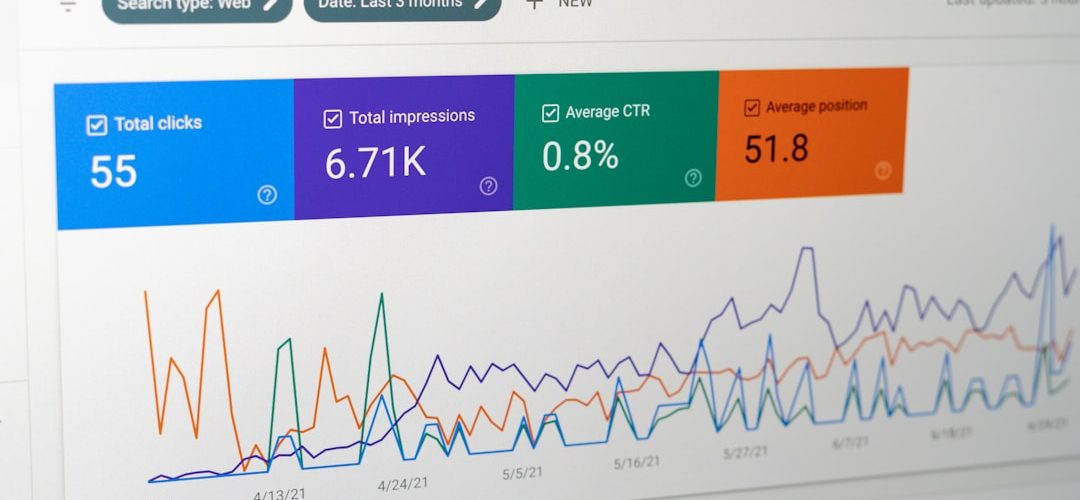
Ranking data alone can mislead. A page can gain rankings and lose clicks if search results change. A page can lose a keyword but gain traffic from related terms. The report needs data from Google Search Console, analytics, and conversion tracking.
The best questions are simple:
- Did impressions rise or fall?
- Did click-through rate change?
- Did organic sessions change?
- Did conversions from the page change?
- Did the page rank for new queries?
If rankings fell but clicks stayed level, the issue may be minor. If rankings stayed level but clicks dropped, the result page may now include more ads, images, AI answers, or shopping results. In that case, rewriting a title tag may help more than rewriting the whole page.
Find the Page Behind Each Ranking Change
A search engine rank report should always show the ranking URL. Without it, the team cannot diagnose the issue. Two common problems appear at the page level.
First, keyword cannibalization. This happens when two or more pages compete for the same query. One week a category page ranks. The next week a blog post ranks. Traffic becomes unstable. The fix may involve merging pages, improving internal links, or making each page target a clearer intent.
Second, wrong-page ranking. A site may rank with an article when the query is clearly transactional. That article may sit at position 9 for months. A better category page could reach position 3 with the same term after on-page improvements and stronger internal links.

Match Ranking Changes to Search Intent
Search intent is often the real reason a page stalls. A page may be well-written and still fail. If Google favors comparison pages, a short product page may not climb. If the results show local businesses, a national guide may struggle.
The ranking report should mark intent for priority keywords:
- Informational: The searcher wants explanations, steps, examples, or definitions.
- Commercial: The searcher compares brands, products, services, or pricing.
- Transactional: The searcher is ready to buy, book, subscribe, or request a quote.
- Local: The searcher wants a nearby option.
When intent does not match the page, the action is clear. The team either changes the page angle or builds a better page for that query.
Turn Ranking Data Into an Action Plan
A report should end with tasks. Not vague notes. Not “monitor keyword.” Real tasks.
| Ranking Signal | Likely Issue | SEO Decision |
|---|---|---|
| High-value keyword dropped 3 or more spots | Competitor improved content or links | Review top-ranking pages and update the target page |
| Impressions up, CTR down | Weak title, meta description, or crowded SERP | Rewrite title tag and test a stronger angle |
| Different URLs rank each week | Cannibalization | Consolidate content or adjust internal links |
| Position 4 to 10 for months | Content gap or weak authority | Add missing sections, FAQs, media, and internal links |
| Ranking stable, traffic down | SERP layout changed | Improve snippet appeal or target featured result formats |
Prioritize With a Simple Scoring System
SEO teams often have more ranking changes than time. A scoring system helps choose what to fix first.
Each keyword or page can be scored from 1 to 5 in four areas:
- Business value: Does it support revenue or leads?
- Traffic potential: Is there enough search demand?
- Ranking opportunity: Is the page close to better positions?
- Fix difficulty: Can the team improve it quickly?
A page ranking at position 6 for a high-converting term should often outrank a page at position 28 for a huge keyword. The first page may need a better title, a few content updates, and internal links. The second may need months of work.
Use Competitor Data Carefully
Competitor tracking helps, but it should not control every decision. A rival may rank higher because their page has better intent match, stronger links, cleaner structure, fresher data, or more brand demand.
The team should check:
- What content sections competitors include
- How their titles frame the topic
- Whether they use tables, tools, videos, or product filters
- Which pages link internally to their ranking page
- How fresh their examples, stats, and screenshots are
The goal is not to copy. The goal is to spot why search engines prefer another result.
Set Reporting Frequency Based on Risk
Daily rank tracking can help large ecommerce sites, publishers, or local businesses in competitive markets. For many sites, weekly or biweekly reporting is enough. Monthly reporting is useful for executives, but too slow for active SEO work.
A practical rhythm looks like this:
- Daily: Watch priority keywords after migrations, launches, or major updates.
- Weekly: Review keyword groups, traffic shifts, and urgent drops.
- Monthly: Share wins, losses, trends, and next actions with stakeholders.
Expect to waste time if the report tracks hundreds of vanity keywords with no ownership. Each priority keyword should have a page owner, target URL, and action status.
What the Final Report Should Include
The best search engine rank report is short enough to read and clear enough to act on. It should not bury decisions under endless keyword tables.
A clean format includes:
- Executive summary: What changed and why it matters
- Top wins: Keywords and pages that gained useful visibility
- Top losses: Drops tied to traffic or conversion impact
- Opportunities: Keywords near positions 4 to 15
- Risks: Lost rankings on important pages
- Action list: Tasks, owners, deadlines, and expected impact
Rank reports should help an SEO team decide what to update, merge, test, or ignore. That is the whole point. Rankings are signals. The decision comes from tying those signals to traffic, intent, revenue, and effort.
FAQ
What is a search engine rank report?
A search engine rank report shows where a website ranks for selected keywords. A strong report also connects rankings to pages, traffic, clicks, conversions, and SEO actions.
How often should a site review ranking reports?
Most sites should review priority rankings weekly and prepare a broader monthly summary. Daily checks are useful during migrations, product launches, or search volatility.
Why do rankings change even when no page was edited?
Rankings can shift because competitors update pages, search intent changes, search engines test results, backlinks change, or SERP features appear.
Should every ranking drop be fixed?
No. Only drops tied to meaningful traffic, leads, revenue, or strategic visibility should trigger urgent action. Low-value movement can often be monitored.
What is the best way to make ranking data actionable?
The best method is to group keywords by page and business value, compare them with traffic and conversion data, then assign a clear next task for each priority issue.