Picking personal injury case management software can feel like choosing a superhero team. Everyone has powers. Everyone has a shiny cape. But your law firm needs the one that helps you move cases faster, miss fewer deadlines, and keep clients calm. So let’s compare CasePeer, Clio, Filevine, and Litify in plain English.
TLDR: CasePeer is great for personal injury firms that want a focused, easy system. Clio is flexible and friendly for many law firm types, but it may need more setup for PI workflows. Filevine is powerful for growing firms with custom processes, while Litify is best for larger firms that want a Salesforce-based system. For example, a 12-person PI firm handling 400 active cases may save hours each week with automated tasks, client texting, and deadline tracking.
Why Personal Injury Firms Need Special Software
Personal injury law is busy. Very busy. There are calls, medical records, police reports, demands, liens, deadlines, and settlement talks. Then there are clients asking, “Any update?” five minutes after the last update.
Generic tools can help. But PI firms need more than a digital filing cabinet. They need software that tracks every stage of a case, from intake to settlement. They also need tools for medical treatment, insurance details, negotiation, and litigation.
Good software should help your team:
- Track leads and intakes without losing hot cases.
- Manage deadlines before they become scary.
- Store documents in one neat place.
- Automate tasks so staff can breathe.
- Update clients without endless phone tag.
- Measure performance with reports and dashboards.
Now let’s meet the contenders.
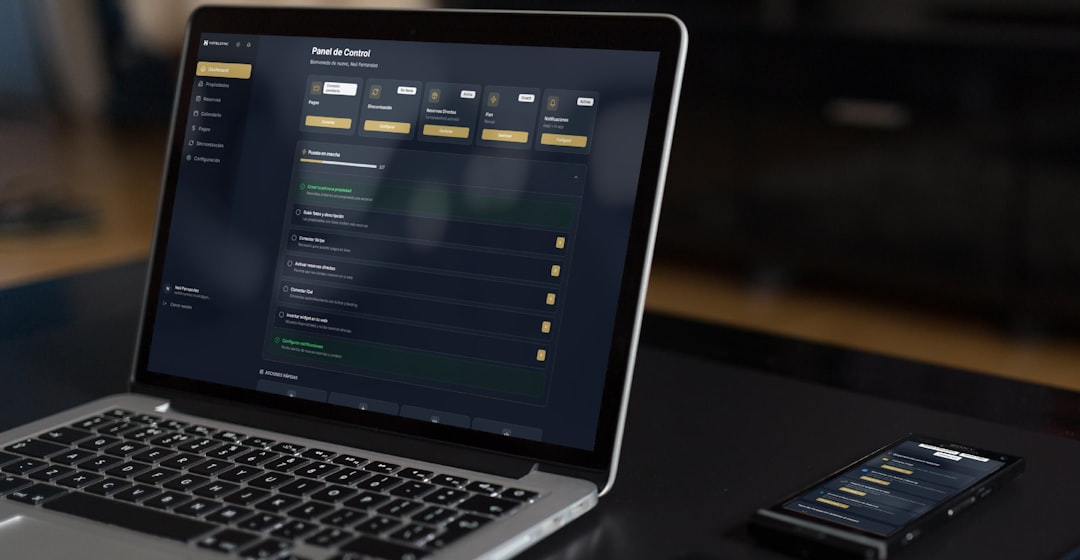
CasePeer: Built for Personal Injury
CasePeer is made for personal injury firms. That is its big strength. It does not try to be everything for everyone. It knows PI work, and it leans into it.
The interface is clean. The workflows are easy to understand. You can track case stages, injuries, insurance, demands, settlement amounts, medical providers, and more. It feels like it was designed by people who have seen a case file explode across a desk.
Best for: Small to mid-sized personal injury firms that want a specialized system without too much complexity.
What makes it fun: CasePeer gives your team a clear road map. Everyone can see what needs to happen next. It is like having a case GPS. “Turn left at medical records. Continue straight to demand letter.”
Pros:
- Designed specifically for PI practice.
- Strong case tracking and workflow tools.
- Good dashboards for firm performance.
- Helpful for standardizing processes.
Cons:
- Less flexible for non-PI practice areas.
- May not fit firms with very unusual workflows.
- Advanced customization can be more limited than bigger platforms.
Clio: The Friendly All-Rounder
Clio is one of the best-known names in legal software. It is popular because it is easy to use and works for many types of law firms. It includes case management, billing, calendars, documents, client communication, and integrations.
For personal injury firms, Clio can work well. But it may need more setup. Since it is not only made for PI, you may need to customize fields, workflows, and integrations to match your process.
Best for: Firms that want a simple, reliable platform and may handle more than just PI cases.
What makes it fun: Clio is like the dependable friend who brings snacks to the road trip. It may not drive the fastest car. But it keeps things organized and pleasant.
Pros:
- Very user-friendly.
- Strong billing and client portal tools.
- Large app marketplace.
- Good for firms with mixed practice areas.
Cons:
- Not PI-specific out of the box.
- May require extra apps or customization.
- Advanced PI reporting may need more work.
Filevine: The Custom Powerhouse
Filevine is a big favorite among many personal injury firms. It is powerful, flexible, and built for serious workflow control. You can customize projects, automate tasks, track deadlines, manage documents, and build reports.
Filevine shines when a firm has a clear process and wants software to match it. It can handle high volume. It can also support many departments, such as intake, pre-litigation, litigation, and settlement.
Best for: Growing PI firms that want strong customization and detailed workflow automation.
What makes it fun: Filevine is like a box of legal Lego bricks. You can build almost anything. But yes, someone has to read the instructions.
Pros:
- Highly customizable.
- Strong task and workflow automation.
- Good for high-volume case management.
- Useful reporting and team visibility.
Cons:
- Setup can take time.
- May feel complex for smaller teams.
- Best results require good planning and training.

Litify: The Enterprise Machine
Litify is built on Salesforce. That matters. Salesforce is a huge platform with deep customization and reporting power. Litify uses that power for law firms, especially firms that want strong intake, matter management, and business analytics.
Litify can be impressive. It can also be a lot. It is not usually the lightest choice. But for larger PI firms that want a serious, scalable system, it can make sense.
Best for: Larger firms or fast-scaling firms that want enterprise-level customization and data control.
What makes it fun: Litify is like the command center in a superhero movie. Big screens. Lots of buttons. Someone important is probably saying, “Enhance the dashboard.”
Pros:
- Built on Salesforce.
- Very strong analytics and customization.
- Good for complex firms and large teams.
- Can support detailed intake and case pipelines.
Cons:
- Can be expensive.
- Implementation may be more involved.
- May be too much for smaller PI firms.
Quick Comparison
Here is the simple version. No legal fog machine required.
- CasePeer: Best PI-focused tool for small and mid-sized firms.
- Clio: Best general legal tool with a smooth user experience.
- Filevine: Best for custom workflows and growing PI teams.
- Litify: Best for large firms that want enterprise power.
If your firm wants a system that understands personal injury from day one, look hard at CasePeer. If you want simple software that can support many practice areas, Clio is a safe pick. If your team has detailed processes and wants automation muscle, Filevine may be the winner. If your firm is large, data-heavy, and ready for a big platform, Litify belongs on the shortlist.
Which One Is Easiest?
Clio and CasePeer are usually easier for teams to learn. CasePeer feels natural for PI teams because the language and flow match their work. Clio feels simple because it is polished and clean.
Filevine and Litify can do more in complex environments. But with great power comes great onboarding. Yes, that is the Spider-Man rule of software.
Which One Has the Best Reporting?
Reporting matters. You need to know where cases are stuck. You need to know how many leads become signed clients. You need to know average settlement values, case age, staff workload, and referral performance.
Litify is very strong for analytics because of Salesforce. Filevine also offers powerful reporting, especially for workflow-heavy firms. CasePeer gives useful PI-focused dashboards. Clio has solid reports, but PI-specific analytics may take more setup.

How to Choose the Right One
Do not choose software because it has the longest feature list. That is how firms end up paying for a spaceship when they needed a bike.
Ask these questions first:
- How many active cases do we manage?
- How many people need access?
- Do we only handle PI, or other practice areas too?
- Do we need heavy automation?
- Who will manage setup and training?
- What reports do we need every week?
Then request demos. Bring real examples. Ask each vendor to show how they would manage a car accident case from intake to settlement. Watch how many clicks it takes. Watch how easy it is to find key information. Your future self will thank you.
Final Verdict
The best personal injury case management software depends on your firm’s size, style, and goals.
Choose CasePeer if you want a PI-first system that is clear and practical. Choose Clio if you want an easy, flexible legal platform with broad appeal. Choose Filevine if your growing firm needs custom workflows and automation. Choose Litify if you want enterprise-grade power and deep analytics.
In the end, the best tool is the one your team actually uses. A fancy platform does not help if everyone avoids it like a mystery voicemail. Pick the system that makes work simpler, clients happier, and cases easier to move forward.