
For any business that depends on nearby customers, a local SEO audit should reveal more than rankings. It should show whether search engines and potential customers can clearly understand where the business is located, what it offers, and why it deserves visibility in local results.
TLDR: A local SEO audit should focus on visibility, accuracy, trust, and conversion. The most useful questions examine Google Business Profile optimization, local citations, reviews, website location signals, technical SEO, and competitor performance. By asking the right questions, an auditor can identify gaps that prevent a business from appearing in map results and local organic searches. The goal is not only to increase traffic, but to attract qualified nearby customers who are ready to call, visit, or buy.
Why Local SEO Audit Questions Matter
A standard SEO audit often looks at crawlability, content, backlinks, and keyword performance. A local SEO audit adds another layer: geographic relevance. A business may have a technically sound website but still struggle locally if its address is inconsistent, its reviews are weak, or its Google Business Profile is incomplete.
The right audit questions help separate surface-level issues from the problems that directly affect local rankings. They also help an SEO specialist understand whether the business is sending consistent trust signals across Google, directories, maps, social profiles, and its own website.
Questions About Google Business Profile
Google Business Profile is one of the most important assets in local search. During an audit, the first set of questions should focus on whether the profile is complete, accurate, and active.
- Is the business name accurate and compliant with Google guidelines?
- Are the primary and secondary categories relevant to the business services?
- Is the address correct, or is the service area properly configured?
- Are opening hours, holiday hours, phone numbers, and website links up to date?
- Does the profile include high-quality photos, services, products, and business descriptions?
- Is the business regularly posting updates, offers, or announcements?
The category selection deserves special attention because it heavily influences when the business appears in local map results. An audit should compare the business categories with those used by top-ranking competitors.
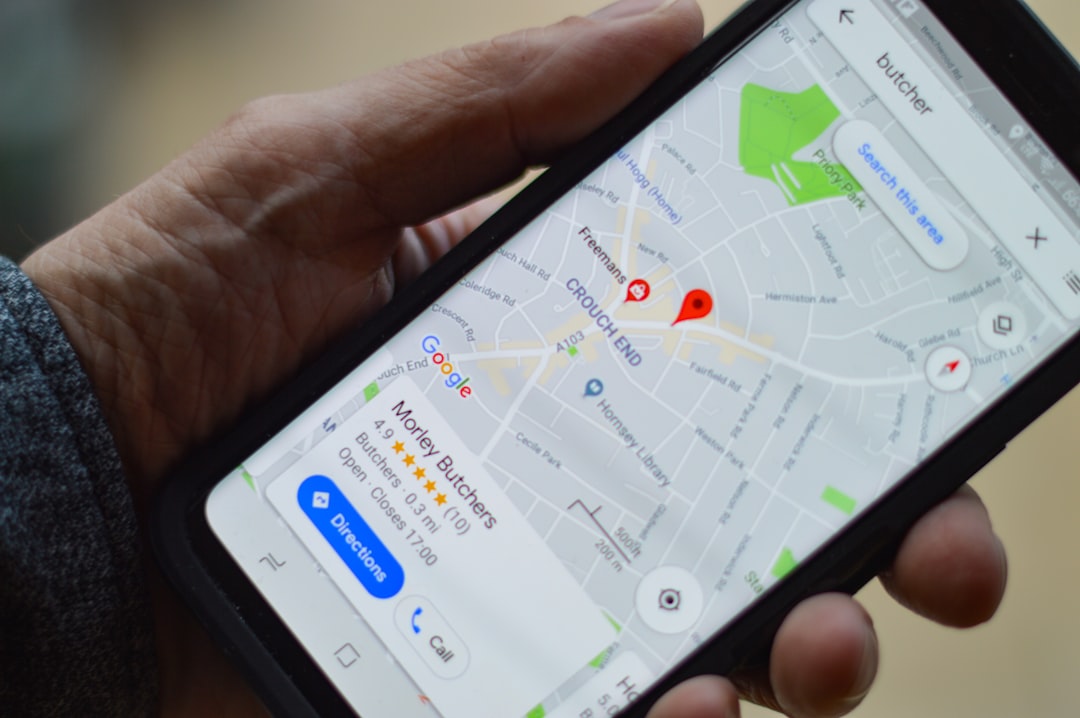
Questions About NAP Consistency and Citations
NAP stands for name, address, and phone number. Search engines use this information to confirm that a business is legitimate and located where it claims to be. Inconsistent citations can create confusion and reduce trust.
An auditor should ask whether the business details are consistent across major directories, industry platforms, social profiles, map services, and local listings. Even small variations, such as an old phone number or outdated suite number, can create problems.
- Are the business name, address, and phone number identical across key directories?
- Are there duplicate listings that could confuse search engines?
- Are old locations, previous business names, or outdated phone numbers still published online?
- Is the business listed on relevant local chambers, associations, and niche directories?
Citation quality matters more than quantity. A few accurate listings on trusted platforms are more valuable than dozens of low-quality directory submissions.
Questions About Reviews and Reputation
Reviews influence both rankings and customer decisions. A business with strong visibility may still lose leads if its reputation appears weak compared with nearby competitors.
An audit should ask: How many reviews does the business have, and how recent are they? Review velocity matters because a steady stream of recent feedback suggests that the business is active and trusted. The average rating should also be compared with competitors in the same market.
- Does the business have a consistent review generation process?
- Are customers encouraged to leave honest feedback after a completed service or purchase?
- Does the business respond professionally to both positive and negative reviews?
- Do reviews mention important services, products, staff members, or location terms naturally?
Responses to reviews should be specific and helpful rather than generic. A thoughtful response can improve customer trust and show search engines that the business actively manages its presence.
Questions About Local Website Optimization
The business website must support local relevance. A Google Business Profile can drive map visibility, but the website helps confirm service details, location information, and credibility.
- Does the website clearly show the business address, phone number, and service area?
- Are location pages available for each physical office or service region?
- Do title tags, headings, and content include natural local keywords?
- Is there a clear contact page with embedded map information and business details?
- Are calls to action easy to find on mobile devices?
Location pages should not be thin or duplicated. Each page should include unique information about the area served, relevant services, testimonials, directions, parking details, staff information, or local project examples where appropriate.

Questions About On Page Content
Content should answer the questions that local customers actually ask before choosing a business. An auditor should review whether the site explains services clearly, includes local context, and matches search intent.
Helpful questions include: Does the website mention the neighborhoods, cities, or regions served in a natural way? Are service pages specific enough to rank for local searches? Does the content explain pricing factors, timelines, FAQs, guarantees, or common customer concerns?
Local content should avoid keyword stuffing. Instead of repeating a city name excessively, a strong page provides useful information that proves local expertise. For example, a contractor may discuss local building conditions, permit requirements, or common property styles in the area.
Questions About Technical SEO
Technical SEO affects local performance because slow, broken, or hard-to-navigate websites can lose both rankings and customers. A local audit should ask whether search engines can crawl and understand the website easily.
- Is the website mobile friendly?
- Does it load quickly on mobile networks?
- Are there crawl errors, broken links, or redirect issues?
- Is schema markup used for local business information?
- Are pages indexed properly?
- Is the site secure with HTTPS?
LocalBusiness schema can help search engines understand important details such as address, phone number, opening hours, business type, and service area. While schema does not guarantee rankings, it supports clearer entity recognition.
Questions About Backlinks and Local Authority
Backlinks remain important, but local SEO places special value on locally relevant links. A business may benefit from mentions on community websites, local news outlets, sponsorship pages, supplier directories, chambers of commerce, and industry associations.
An auditor should ask whether the business has earned links from real local organizations. It should also be reviewed for harmful or spammy backlinks that may weaken trust. Local authority often grows through genuine community involvement, not mass link building.

Questions About Competitors
A local SEO audit is incomplete without competitor analysis. A business is not trying to rank in isolation; it is competing against nearby companies for limited map pack and organic positions.
- Which competitors rank in the local map pack for priority keywords?
- What categories do those competitors use on their business profiles?
- How many reviews do they have, and how often do they receive new ones?
- What type of content appears on their location and service pages?
- Which websites link to them?
This comparison helps identify practical opportunities. If top competitors have stronger review profiles, better service pages, or more local links, the audit can turn those gaps into an action plan.
Questions About Conversions
Visibility is only valuable if it generates meaningful actions. A local SEO audit should ask whether the business can track calls, form submissions, direction requests, bookings, and store visits where possible.
Important questions include: Are phone numbers clickable on mobile? Are contact forms short and functional? Are calls to action clear on every major page? Is tracking set up in analytics tools? Does the Google Business Profile show performance trends for calls, website clicks, and direction requests?
Local SEO success should be measured by more than ranking improvements. The strongest reports connect visibility gains to leads, appointments, revenue, and customer acquisition.
Final Thoughts
A strong local SEO audit asks focused questions about trust, relevance, and usability. It reviews how the business appears to search engines and how it appears to real customers. When Google Business Profile data, citations, reviews, website content, technical performance, and local authority all support the same message, the business has a stronger chance of earning local visibility.
The best audit does not simply list problems. It prioritizes them based on impact, difficulty, and business value. That allows a local business to move from uncertainty to a clear, practical SEO roadmap.
FAQ
What is a local SEO audit?
A local SEO audit is a review of the factors that affect a business’s visibility in local search results, including Google Business Profile, citations, reviews, website optimization, local content, technical SEO, and competitors.
How often should a business perform a local SEO audit?
Most businesses should complete a local SEO audit at least twice a year. Highly competitive markets may require quarterly reviews to monitor rankings, reviews, competitors, and listing accuracy.
What is the most important local SEO audit question?
One of the most important questions is whether the business information is accurate and consistent everywhere customers and search engines find it. Inconsistent details can weaken trust and reduce local visibility.
Do reviews affect local SEO?
Yes. Review quantity, quality, recency, and responses can influence both search visibility and customer trust. A strong review strategy is an important part of local SEO.
Why is competitor research important in a local SEO audit?
Competitor research shows what top-ranking businesses are doing well. It helps identify gaps in reviews, content, backlinks, categories, and local authority that the audited business can improve.