An effective all-hands meeting is more than a company-wide update. It is a recurring opportunity for leaders to create alignment, build trust, recognize progress, and help employees understand how their work connects to the organization’s direction. When planned well, it can energize teams; when handled poorly, it can feel performative, vague, or like time taken away from meaningful work.
TLDR: A strong all-hands meeting needs a clear purpose, a focused agenda, honest communication, and time for employee questions. The best meetings balance business updates with recognition, context, and two-way dialogue. Common mistakes include overloading the agenda, avoiding difficult topics, and turning the meeting into a one-way presentation.
What Is an All-Hands Meeting?
An all-hands meeting is a company-wide or department-wide gathering where leaders, employees, and sometimes key stakeholders come together to discuss important updates. It may happen weekly, monthly, quarterly, or during major business moments such as launches, restructures, funding announcements, or strategic shifts.
The phrase all-hands comes from “all hands on deck,” meaning everyone is needed and included. In a workplace context, the meeting should make employees feel informed, involved, and connected to the bigger picture.

Why All-Hands Meetings Matter
Organizations often underestimate the value of a well-run all-hands meeting. Employees do not only need tasks and deadlines; they also need context. They want to know where the business is going, what challenges exist, what progress has been made, and how leadership is making decisions.
A strong all-hands meeting can support several important outcomes:
- Alignment: Everyone hears the same message at the same time.
- Transparency: Leaders can address wins, concerns, priorities, and changes openly.
- Engagement: Employees feel more connected when their questions and contributions are recognized.
- Culture building: Shared rituals, recognition, and storytelling strengthen company identity.
- Accountability: Teams can see progress against goals and understand what needs improvement.
How to Build an Effective All-Hands Agenda
The agenda is the backbone of the meeting. Without one, the session can become unfocused, too long, or dominated by updates that could have been sent in an email. A good agenda gives structure while leaving room for meaningful conversation.
1. Opening and Purpose
The meeting should begin with a brief welcome and a clear explanation of why the gathering matters. A leader or host can set the tone by stating the main objective, such as reviewing quarterly performance, introducing a new strategy, celebrating a launch, or addressing an organizational change.
This opening should be short. Employees should quickly understand what they will learn and why it matters.
2. Key Business Updates
The next section should cover the most important company updates. These may include revenue progress, customer growth, product milestones, operational changes, market conditions, or strategic priorities. The information should be presented in plain language rather than heavy jargon.
Effective leaders do not simply show numbers; they explain what the numbers mean. If goals were exceeded, the meeting should clarify what drove success. If performance fell short, the discussion should be honest about why and what will happen next.
3. Strategic Priorities
Employees need to understand the organization’s current direction. This part of the agenda should connect daily work to broader goals. Leadership can highlight the top priorities for the next month, quarter, or year and explain what teams should focus on.
Too many priorities can create confusion, so this section should be selective. Three to five key priorities are usually more effective than a long list of initiatives.
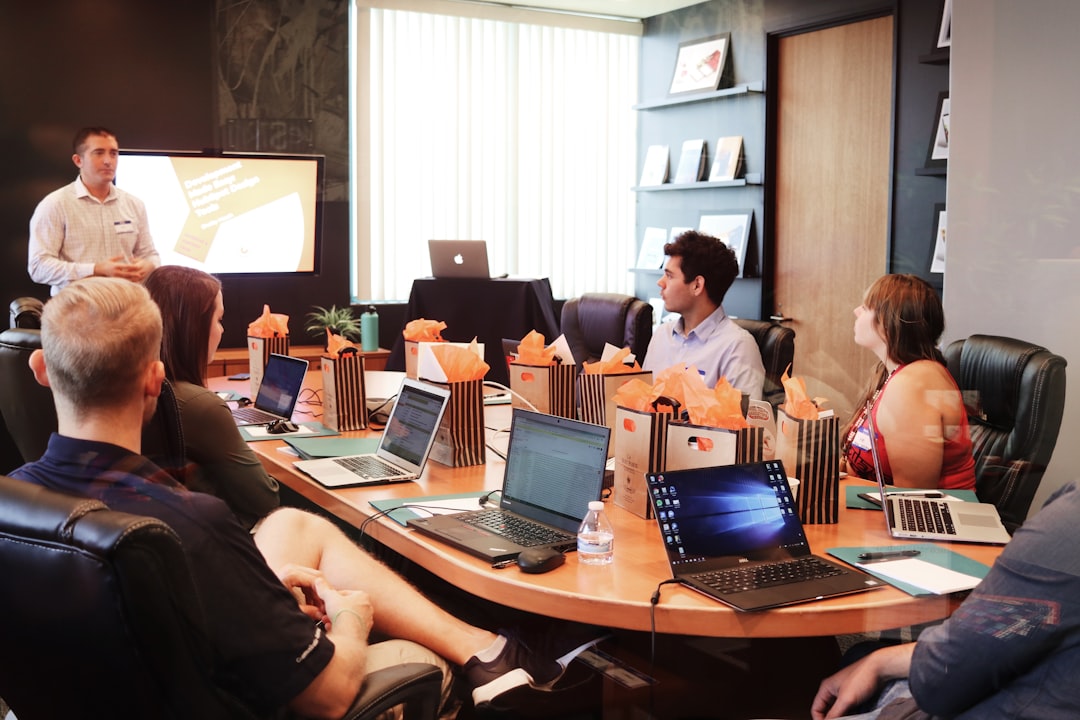
4. Team Highlights and Recognition
Recognition helps all-hands meetings feel human. Leaders should highlight team achievements, customer success stories, employee milestones, project completions, or examples of company values in action.
Recognition should be specific. Instead of saying a team “did great work,” the speaker should explain what the team accomplished, why it mattered, and how it helped the business or customers. Specific praise feels more sincere and reinforces the behaviors the organization wants to encourage.
5. Employee Questions and Answers
A question-and-answer segment is one of the most valuable parts of an all-hands meeting. It gives employees a chance to raise concerns, seek clarity, and hear directly from leadership. Questions can be submitted in advance, asked live, or collected anonymously.
Leaders should answer questions respectfully, even when they are difficult. If an answer is not available, it is better to say so and commit to following up than to provide a vague response. Trust grows when employees see that leadership is willing to engage honestly.
6. Closing and Next Steps
The meeting should end with a concise summary of the most important takeaways. The host should clarify any next steps, upcoming dates, or actions employees need to take. A strong closing reinforces the message and prevents the meeting from fading into a collection of disconnected updates.
Best Practices for Running an All-Hands Meeting
- Keep it focused: Every agenda item should serve a clear purpose. If a topic does not need the full company’s attention, it may belong in a smaller meeting or written update.
- Use multiple speakers: Hearing from different leaders, managers, or employees makes the meeting more engaging and inclusive.
- Balance data with stories: Metrics are important, but stories help employees understand real-world impact.
- Prepare speakers in advance: Presenters should know their time limits, key message, and visual materials before the meeting begins.
- Make it accessible: Remote employees, different time zones, captions, recordings, and readable slides should all be considered.
- Encourage participation: Polls, live questions, shout-outs, and anonymous submissions can make the meeting feel less one-directional.
- Follow up afterward: A summary, recording, slides, and unanswered questions should be shared after the meeting.
Common Mistakes to Avoid
One common mistake is making the meeting too long. When all-hands meetings stretch beyond their useful length, employees begin to disengage. Most recurring sessions should be concise, often between 30 and 60 minutes, depending on the size and complexity of the organization.
Another mistake is sharing only positive news. Employees usually sense when important issues are being avoided. A meeting that ignores challenges can damage credibility. Leaders do not need to share every sensitive detail, but they should communicate with honesty and maturity.
A third mistake is using too many slides. Dense presentations filled with small text can make the meeting feel lifeless. Slides should support the message, not replace it. Clear visuals, charts, and short bullet points are more effective than crowded decks.

Another issue is failing to make room for employee voices. If every meeting is only leadership talking at employees, the format becomes predictable and passive. Employees should have opportunities to ask questions, share wins, or contribute ideas.
Finally, organizations often fail to follow up. If leaders promise answers, updates, or action items during the meeting, they should deliver them afterward. Follow-through shows that the meeting was not just a communication exercise but part of a genuine operating rhythm.
Sample All-Hands Meeting Agenda
- Welcome and purpose — 5 minutes
- Company performance update — 10 minutes
- Strategic priorities — 10 minutes
- Team highlights and recognition — 10 minutes
- Product, customer, or operational update — 10 minutes
- Employee Q&A — 15 minutes
- Closing summary and next steps — 5 minutes
This structure can be adapted depending on the organization’s size, culture, and meeting frequency. A monthly all-hands may focus on updates and recognition, while a quarterly session may include deeper strategic review.
Final Thoughts
An effective all-hands meeting requires intention. It should not exist simply because it is on the calendar. The best meetings help employees understand what is happening, why it matters, and how they contribute to the organization’s success.
When leaders prepare thoughtfully, communicate honestly, and create space for participation, the all-hands meeting becomes a powerful tool for alignment and culture. It can turn scattered teams into a more informed, motivated, and connected organization.
FAQ
How often should an all-hands meeting be held?
Many organizations hold all-hands meetings monthly or quarterly. The best frequency depends on how quickly the business changes and how much company-wide communication is needed.
How long should an all-hands meeting last?
Most all-hands meetings should last between 30 and 60 minutes. Larger organizations or quarterly meetings may require more time, but the agenda should still remain focused.
Who should speak during an all-hands meeting?
Senior leaders often host or open the meeting, but other voices should be included. Department heads, project leads, and employees can provide updates, recognition, or success stories.
Should questions be anonymous?
Anonymous questions can increase honesty, especially in organizations where employees may hesitate to raise concerns publicly. Many companies use both anonymous submissions and live questions.
What should happen after the meeting?
The organization should share a recap, recording, key slides, and answers to any unresolved questions. Follow-up is essential for maintaining trust and accountability.