Working from home used to sound like a dream. Now it is normal. You can protect companies, stop hackers, and sip coffee in fuzzy socks. That is the magic of remote cybersecurity work. It is serious work, but it can also be fun, flexible, and full of cool problems to solve.
TLDR: Many cybersecurity jobs can be done from home because the work happens on computers, networks, cloud tools, and security platforms. Some of the best remote roles include SOC analyst, cloud security engineer, penetration tester, GRC analyst, and security consultant. You do not always need to be a genius coder. You need curiosity, focus, clear communication, and a love for solving digital mysteries.
Why Cybersecurity Is Great for Remote Work
Cybersecurity is all about protecting digital things. These things can be checked from almost anywhere. You can review logs from your couch. You can scan cloud systems from your kitchen table. You can write security reports while your dog naps nearby.
Many companies now hire security teams across cities, countries, and time zones. Why? Because hackers do not work only from 9 to 5. Security teams need coverage all day and all night. Remote workers help make that easier.
Also, many security tools live online. Teams use dashboards, ticket systems, chat apps, password vaults, and cloud platforms. If you have a secure laptop and internet, you can often do the job.
Of course, you still need discipline. Working from home is not all snacks and slippers. You must protect company data. You must follow rules. You must stay focused. But if you like freedom, remote cybersecurity can be a fantastic path.
1. SOC Analyst
A SOC analyst works in a Security Operations Center. Do not worry. You may not sit in a big movie-style control room. Many SOC teams are fully remote now.
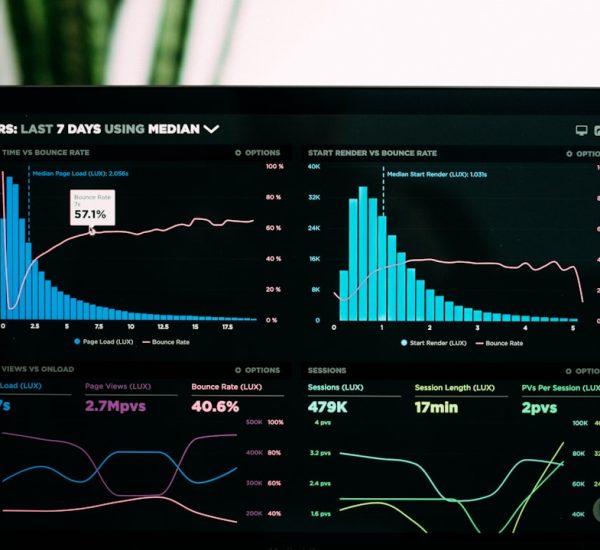
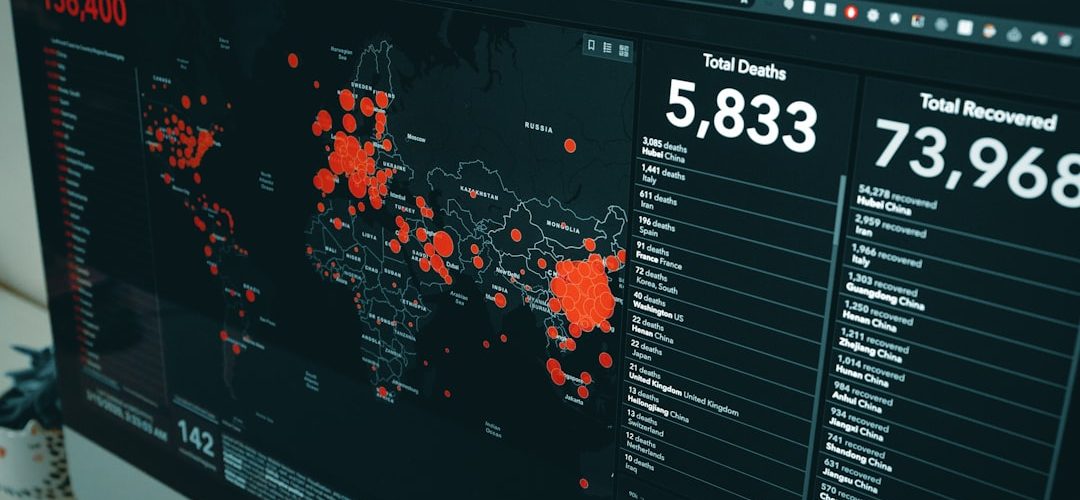
This role is like being a digital detective. You watch alerts. You check suspicious activity. You decide if something is harmless or dangerous.
For example, a user logs in from New York. Then five minutes later, the same user logs in from another country. That looks odd. A SOC analyst investigates.
What you do:
- Monitor security alerts.
- Review login activity.
- Check malware warnings.
- Escalate serious threats.
- Write clear notes for the team.
Why it works from home: Most SOC tools are web based. You can look at alerts from anywhere with secure access.
Best for: Beginners who like patterns, puzzles, and fast action.
2. Threat Intelligence Analyst
A threat intelligence analyst studies hackers. Not in a creepy way. More like a spy movie, but with spreadsheets and coffee.
You learn about attacker groups. You track their tricks. You read reports. You study malware campaigns. Then you explain what it all means.
This job helps companies prepare before an attack happens. It is like checking the weather before a storm. If you know trouble is coming, you can close the windows.
What you do:
- Research cybercriminal groups.
- Track new attack methods.
- Read security news and reports.
- Create threat briefings.
- Help teams understand risks.
Why it works from home: Research, writing, and analysis are perfect remote tasks.
Best for: People who enjoy reading, writing, and connecting clues.
3. Penetration Tester
A penetration tester, or pentester, is an ethical hacker. You break into systems with permission. Then you tell the company how to fix the holes.
Yes, this job sounds cool. It is cool. But it also requires care, rules, and strong documentation. You cannot just “hack stuff.” You need permission. Always.
Remote pentesters test websites, apps, cloud systems, and networks. They use special tools. They also use creativity. Hackers think sideways. Pentesters must do the same.
What you do:
- Test websites for weaknesses.
- Look for bad passwords.
- Check cloud settings.
- Try to bypass security controls.
- Write reports with fixes.
Why it works from home: Many tests are done over the internet or through secure remote connections.
Best for: Curious builders and breakers who love technical challenges.
4. Cloud Security Engineer
Companies love the cloud. They use services like AWS, Microsoft Azure, and Google Cloud. But the cloud can be risky if it is set up badly.
A cloud security engineer helps keep cloud systems safe. This person locks down accounts, checks permissions, protects data, and builds secure systems.
Think of the cloud like a giant digital apartment building. A cloud security engineer makes sure the doors lock, the keys are managed, and no stranger is sleeping in the server room.
What you do:
- Secure cloud accounts.
- Manage identity and access.
- Set up monitoring tools.
- Protect stored data.
- Fix risky cloud settings.
Why it works from home: Cloud platforms are remote by nature. You log in securely and manage systems online.
Best for: People who like building, automating, and improving systems.
5. GRC Analyst
GRC means Governance, Risk, and Compliance. That sounds boring. But stay with me. This role is important. It is also one of the best remote-friendly cybersecurity jobs.
A GRC analyst helps companies follow rules. These rules may come from laws, security standards, customers, or industry requirements.
You may work with frameworks like ISO 27001, SOC 2, HIPAA, or PCI DSS. Fancy names. Simple idea. They help prove that a company protects data properly.
What you do:
- Review security policies.
- Track company risks.
- Prepare for audits.
- Collect evidence from teams.
- Write reports and recommendations.
Why it works from home: Much of the job is meetings, documents, spreadsheets, and planning.
Best for: Organized people who like rules, communication, and big-picture thinking.
6. Security Awareness Trainer
Most cyberattacks start with people. Someone clicks a fake email. Someone uses a weak password. Someone shares data by mistake.
A security awareness trainer teaches employees how to stay safe. This role is part teacher, part storyteller, and part friendly warning sign.
You create training videos. You run phishing tests. You explain security in simple words. You help people avoid silly mistakes.
This job can be very fun. You may make posters, quizzes, short lessons, and fake phishing emails. Yes, fake phishing is allowed when the company approves it.
What you do:
- Create security training.
- Teach staff about phishing.
- Run awareness campaigns.
- Track training results.
- Make security easier to understand.
Why it works from home: Training can happen through videos, webinars, emails, and online tools.
Best for: Friendly communicators who like teaching and creativity.
7. Incident Responder
An incident responder jumps in when something bad happens. A company may have malware. A stolen password. A data leak. An active hacker. The incident responder helps stop the damage.
This role can be intense. It is not sleepy work. It can feel like a digital fire department. When alarms ring, you move fast.
Remote incident responders use secure tools to investigate systems. They collect evidence. They guide teams. They help restore safety.
What you do:
- Investigate cyber incidents.
- Contain attacks.
- Find the root cause.
- Help systems recover.
- Write post-incident reports.
Why it works from home: Many investigations can be done through remote logging, endpoint tools, and cloud dashboards.
Best for: Calm problem solvers who can think clearly under pressure.
8. Application Security Engineer
An application security engineer helps developers build safer software. This job is often called AppSec.
Apps can have bugs. Some bugs are just annoying. Other bugs are dangerous. AppSec engineers catch risky bugs before attackers find them.
You may review code. You may test apps. You may help developers fix problems. You may add security tools to the software process.
What you do:
- Review application code.
- Find security flaws.
- Teach developers safe coding.
- Set up scanning tools.
- Help fix vulnerabilities.
Why it works from home: Software teams are often remote. Code reviews and meetings happen online.
Best for: People who like coding, testing, and helping developers.
9. Security Consultant
A security consultant helps different clients improve security. One week you may help a small company. Next week you may review a cloud setup for a large business.
This job brings variety. You will not always do the same thing. That can be exciting. It can also be busy.
Consultants need strong communication. Clients want clear advice. They do not want confusing tech soup. They want to know what is wrong and how to fix it.
What you do:
- Assess security programs.
- Find gaps and risks.
- Recommend improvements.
- Write client reports.
- Join planning meetings.
Why it works from home: Many consulting tasks happen through calls, documents, remote tools, and virtual workshops.
Best for: Experienced security pros who like variety and people.
10. Vulnerability Management Analyst
A vulnerability management analyst finds and tracks weak spots. These weak spots may be outdated software, missing patches, or unsafe settings.
This role is like being a doctor for computer systems. You scan. You diagnose. You help teams treat the problem.
The job is not only about finding issues. It is also about deciding what matters most. Some flaws are tiny. Some are urgent. You help teams focus.
What you do:
- Run vulnerability scans.
- Review scan results.
- Rank risks by severity.
- Track fixes with teams.
- Report progress to leaders.
Why it works from home: Scanning tools and ticket systems are easy to use remotely.
Best for: Detail-loving people who enjoy organizing and prioritizing.
Skills You Need for Remote Cybersecurity Jobs
You do not need every skill on day one. No one does. Cybersecurity is huge. Start with the basics. Then grow.
Helpful skills include:
- Networking: Understand how computers talk.
- Operating systems: Learn Windows, Linux, and macOS basics.
- Cloud basics: Know how cloud platforms work.
- Security tools: Learn scanners, SIEM tools, and endpoint tools.
- Writing: Clear notes are gold.
- Communication: You must explain risks simply.
- Curiosity: Ask why. Then ask why again.
Soft skills matter a lot. Remote teams need trust. You must respond on time. You must write clearly. You must not disappear like a ghost in a hoodie.
How to Start
If you are new, start small. Learn basic networking. Try beginner security labs. Read simple security blogs. Build a home lab if you can.
You can also look at beginner certifications. Common options include CompTIA Security+, Google Cybersecurity Certificate, and Certified in Cybersecurity from ISC2. Certifications are not magic keys. But they can help you get noticed.
Create a simple portfolio. Write short posts about what you learn. Show small projects. Explain a phishing email. Document a lab. Hiring managers like proof that you can learn.
Also, practice remote habits. Keep a schedule. Use a task list. Take notes. Join meetings ready. Protect your workspace. Lock your screen. Use strong passwords. Yes, even at home.
Which Role Is Best for You?
Pick based on your personality.
- If you like action, try SOC analyst or incident responder.
- If you like research, try threat intelligence.
- If you like hacking, try penetration testing.
- If you like rules and planning, try GRC.
- If you like teaching, try security awareness.
- If you like coding, try application security.
- If you like cloud systems, try cloud security.
There is no single “best” role for everyone. The best role is the one that fits your brain, your energy, and your goals.
Final Thoughts
Remote cybersecurity work is real. It is growing. It can be exciting, stable, and meaningful. You help protect people, money, data, and businesses from digital troublemakers.
You can work from home in many cybersecurity roles. Some are technical. Some are people-focused. Some are calm and structured. Others are fast and wild.
Start with one path. Learn the basics. Build proof. Keep practicing. And remember this: cybersecurity is not only for movie hackers in dark rooms. It is for curious people who want to solve problems.
So grab your laptop. Secure your Wi-Fi. Make some coffee. Your remote cybersecurity career may be closer than you think.